Unit of inquiry
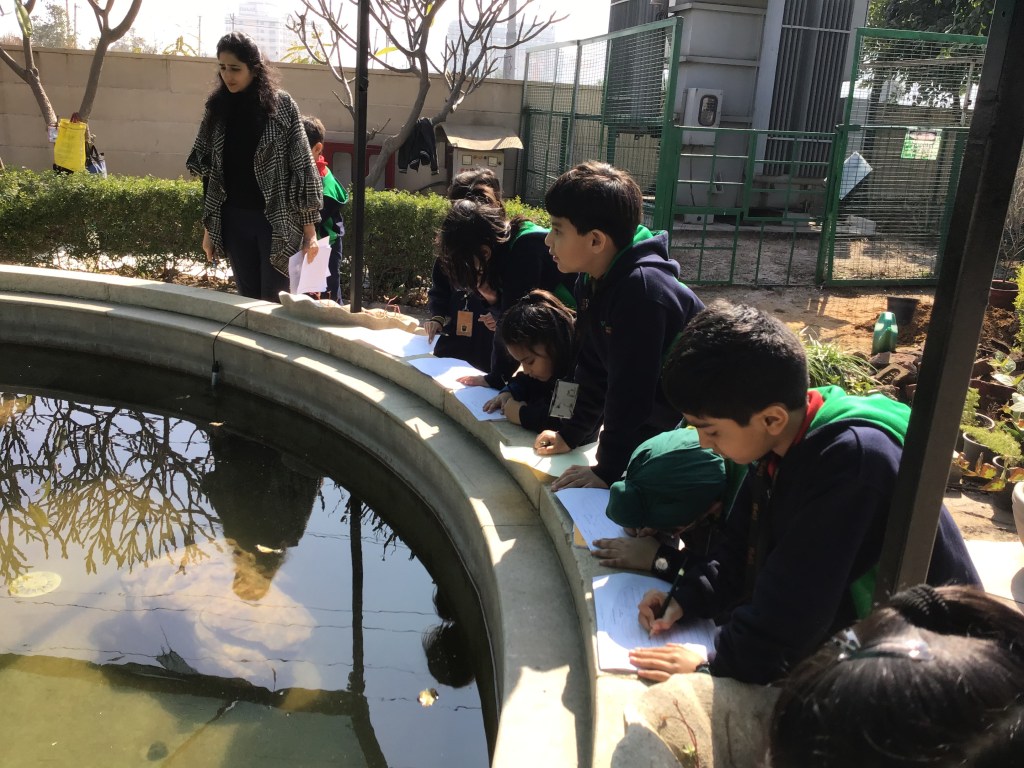
Students went on a nature walk to further their inquiry about living and non-living things.They observed and identified various living and non-living things around the school premises and compared their findings using a Venn diagram – a visible thinking routine.
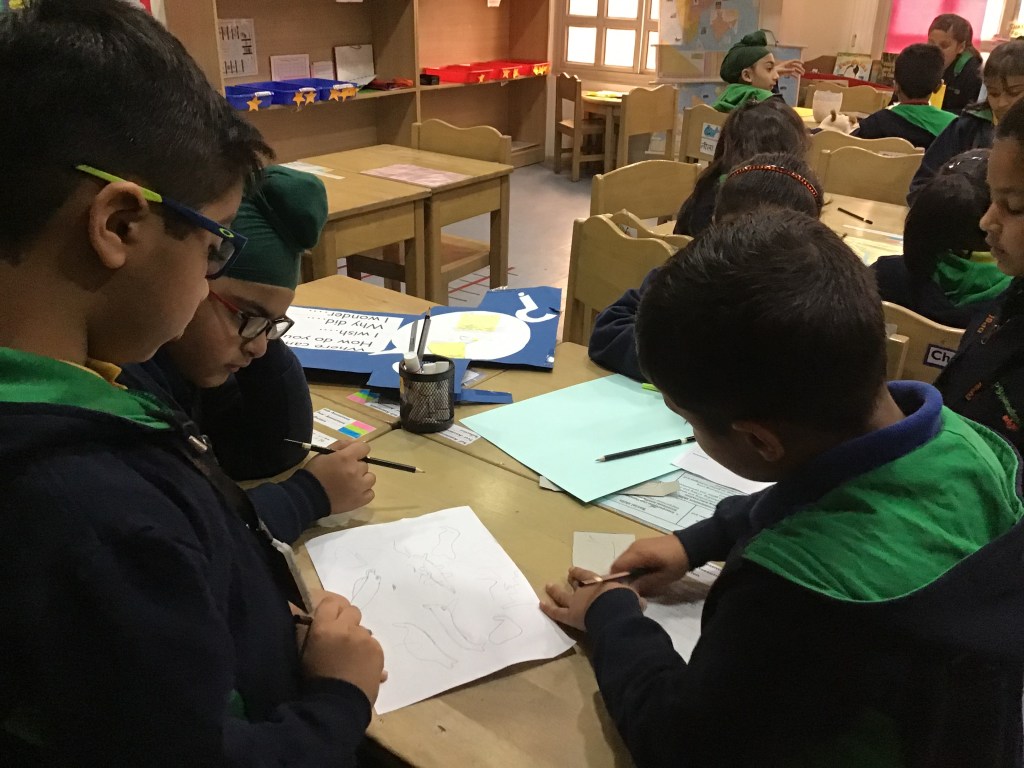
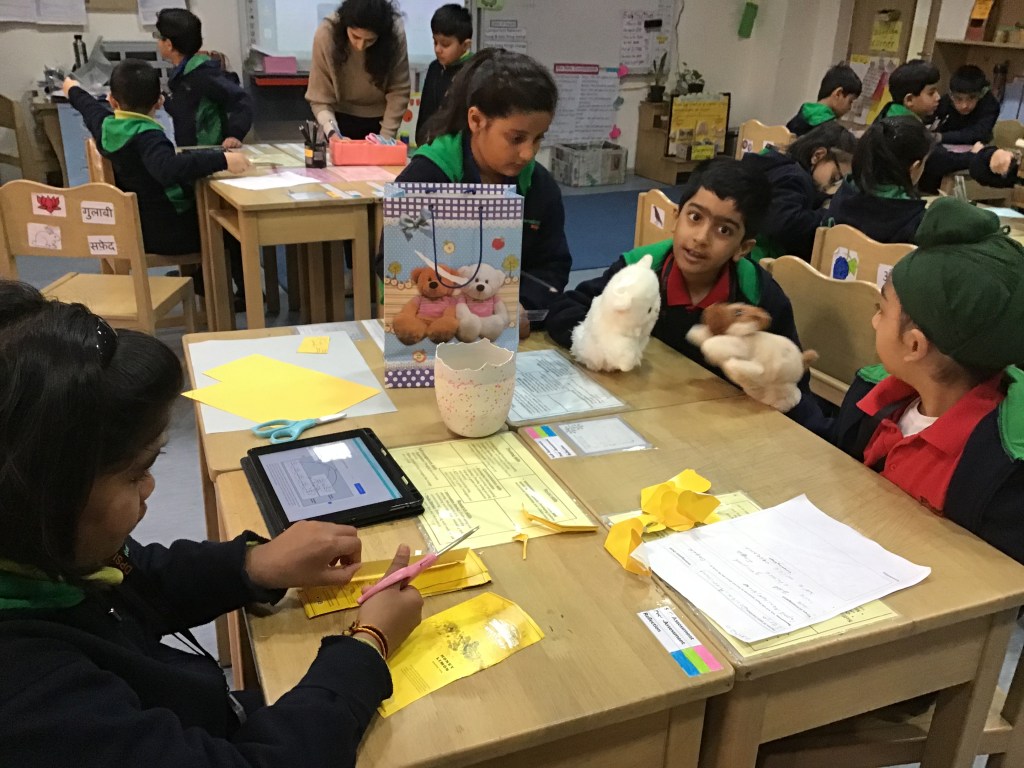
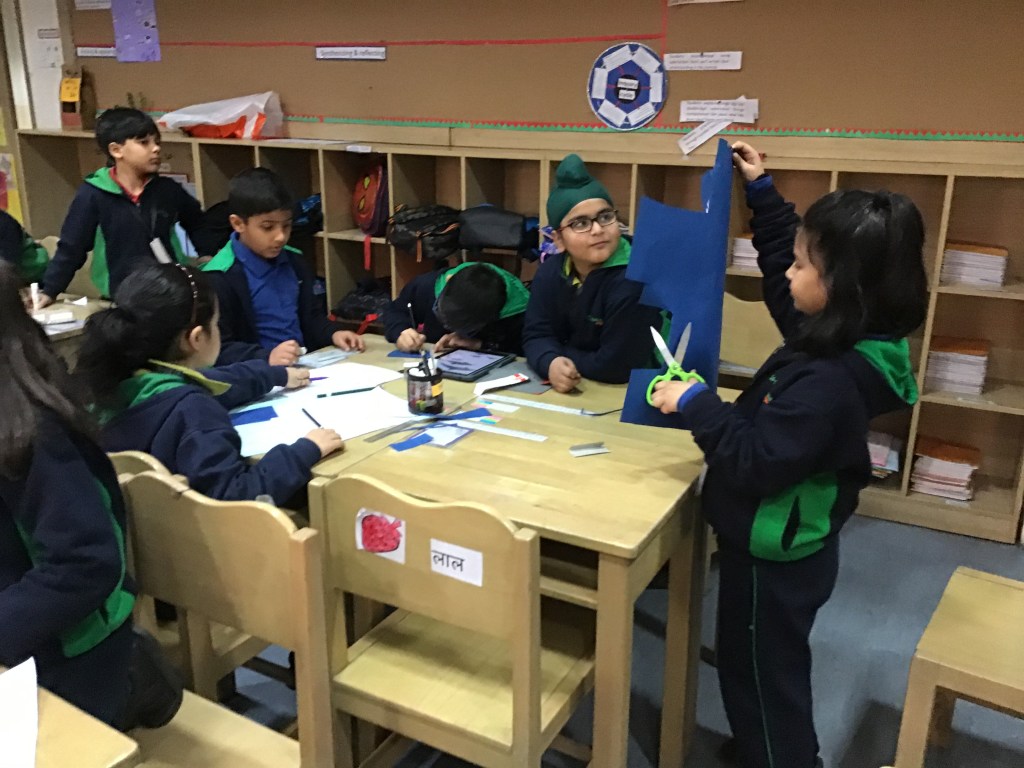
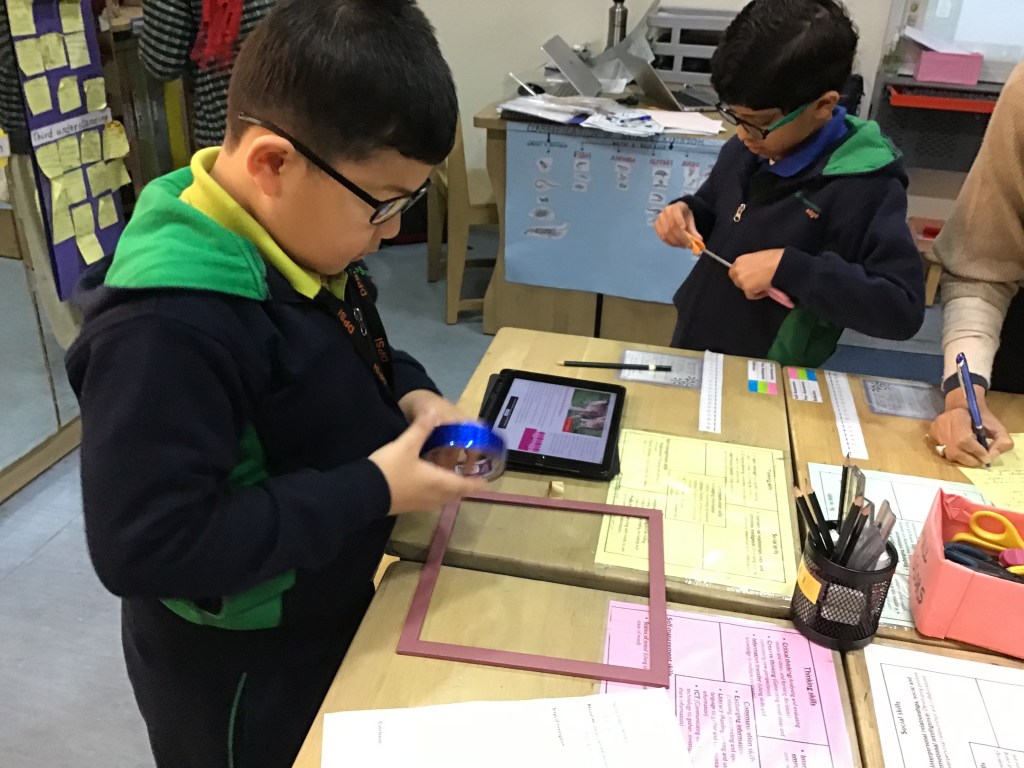
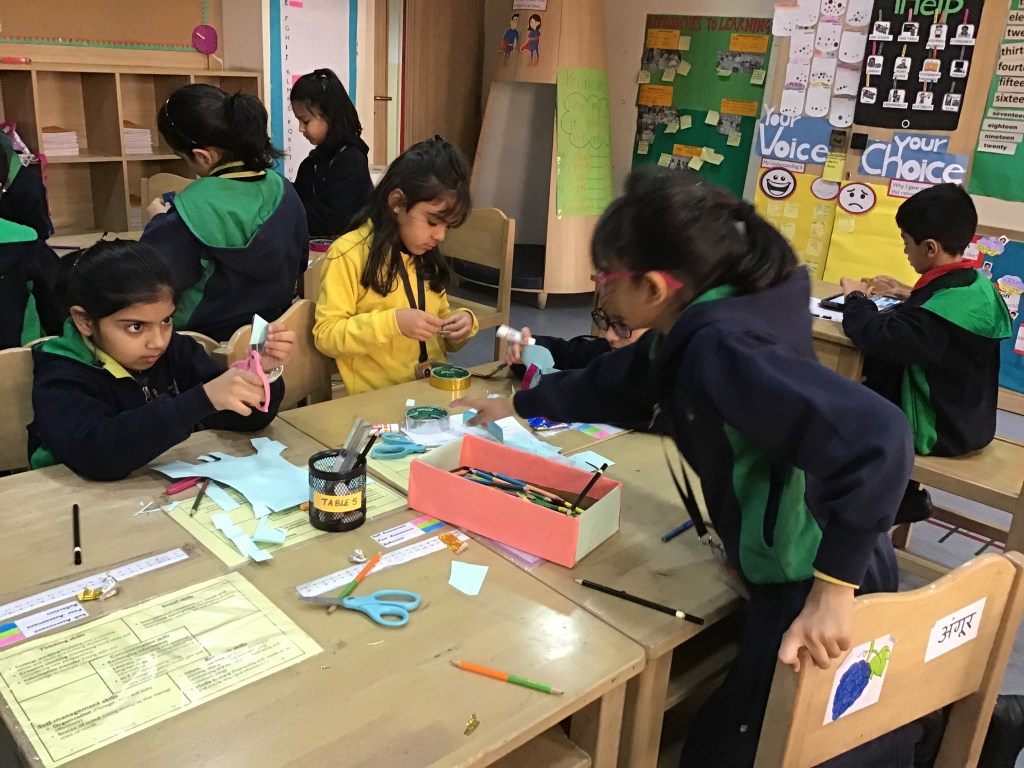
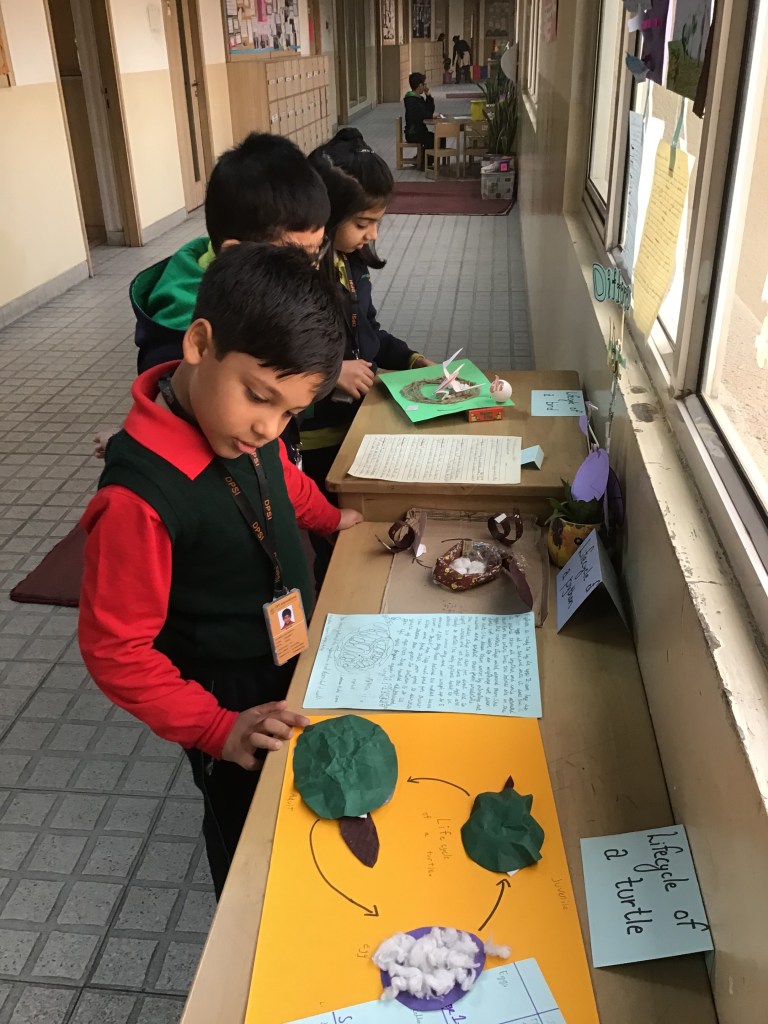
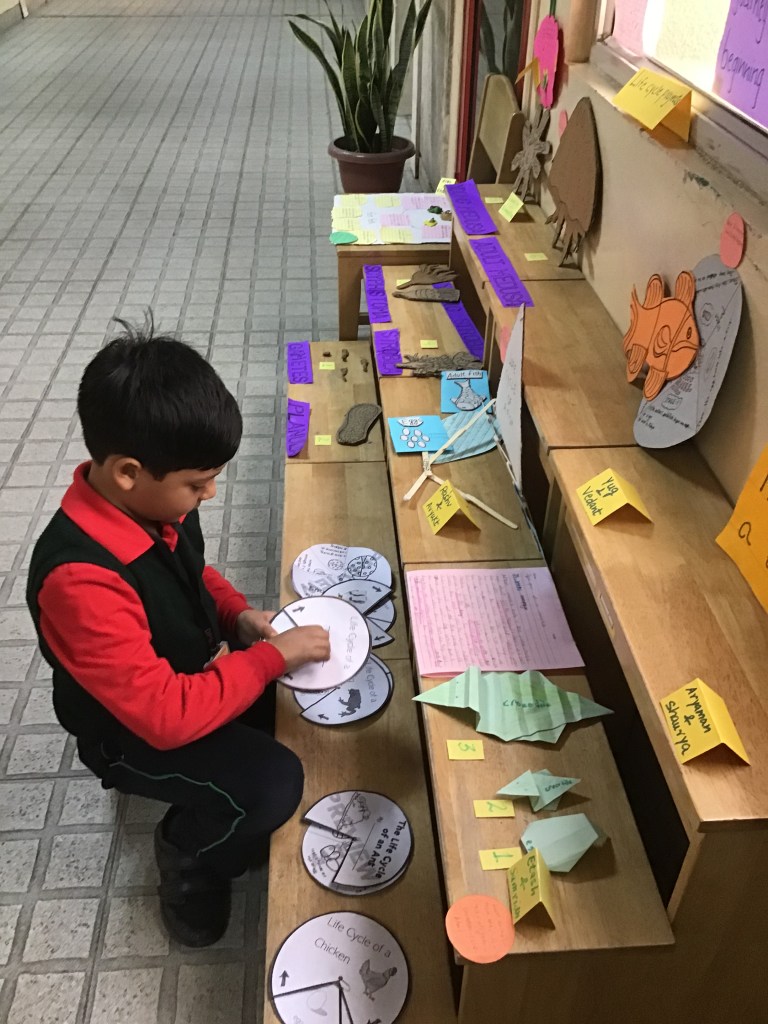
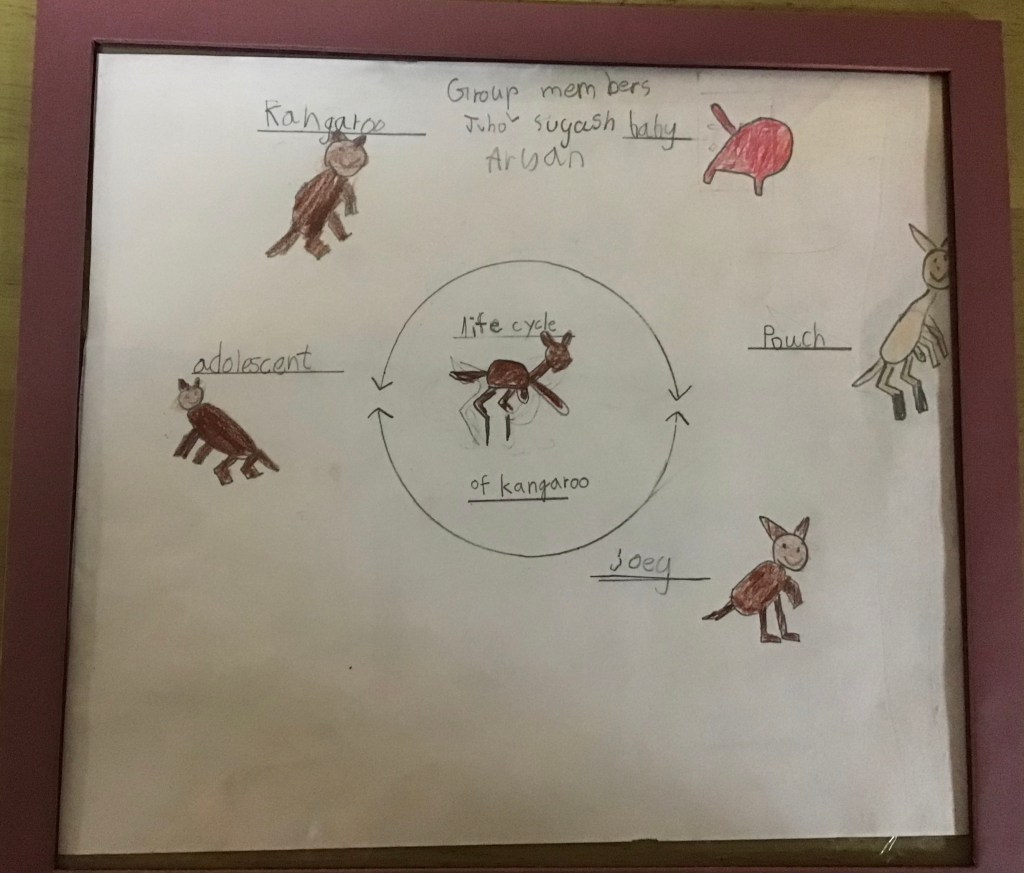
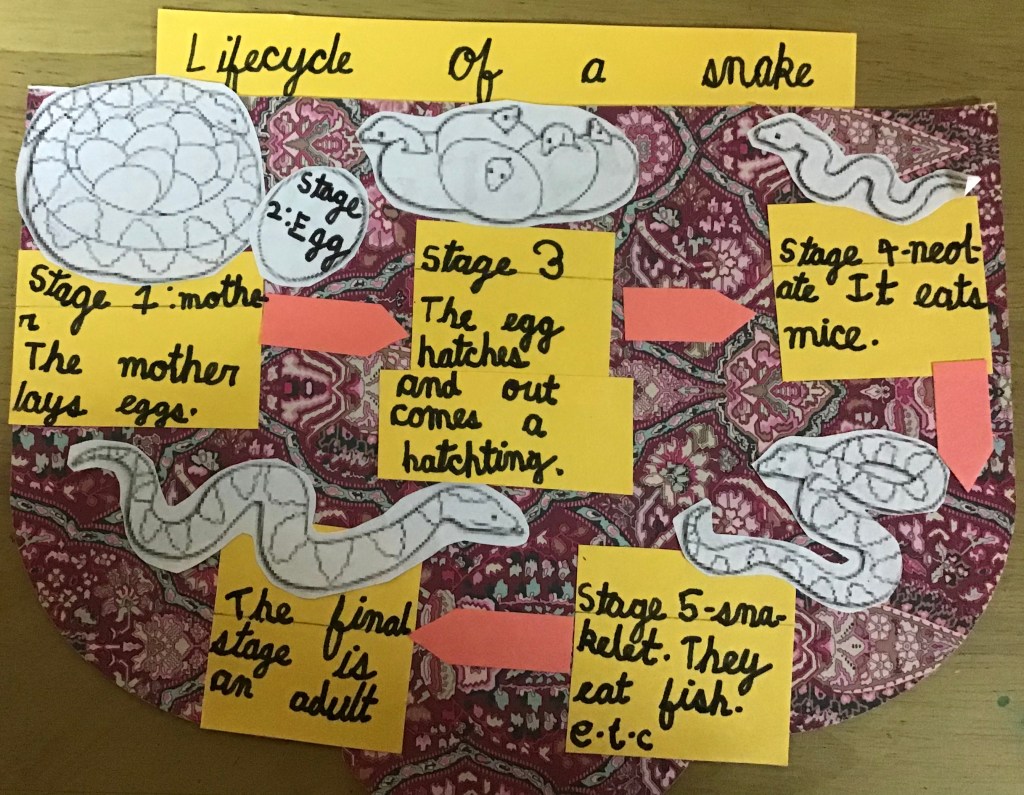
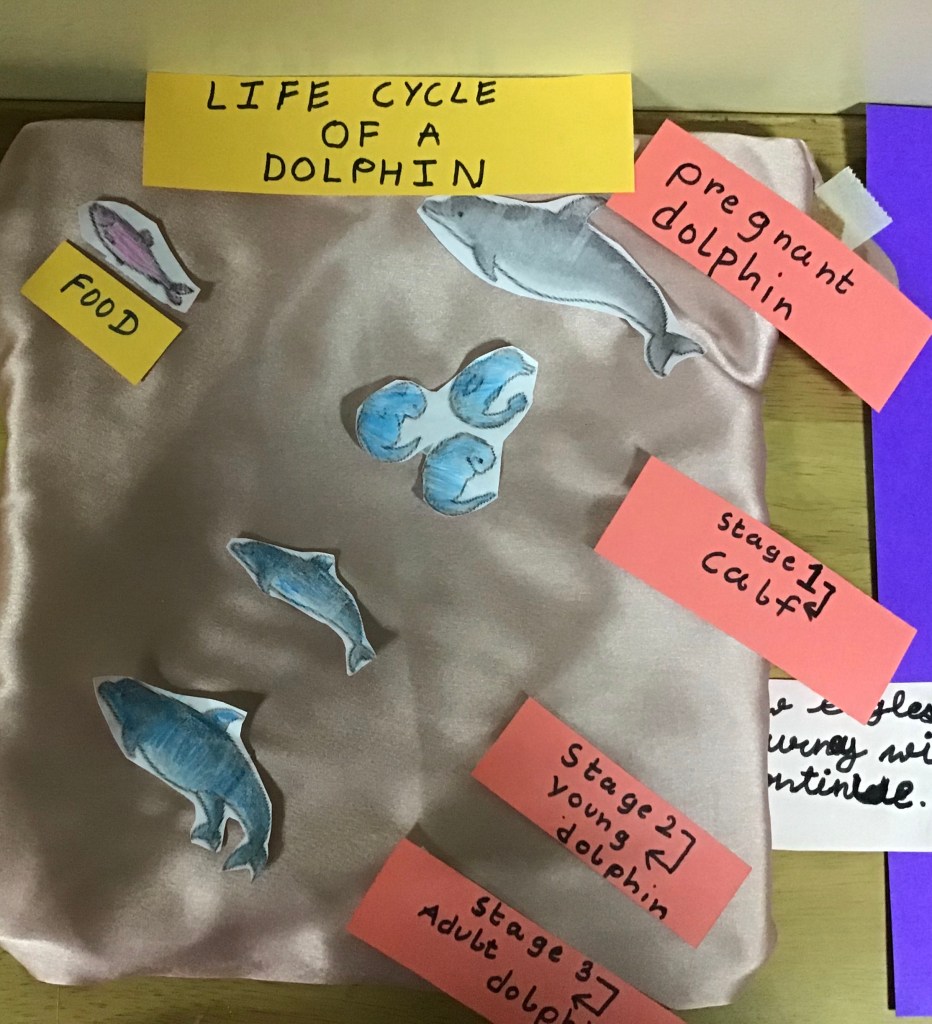
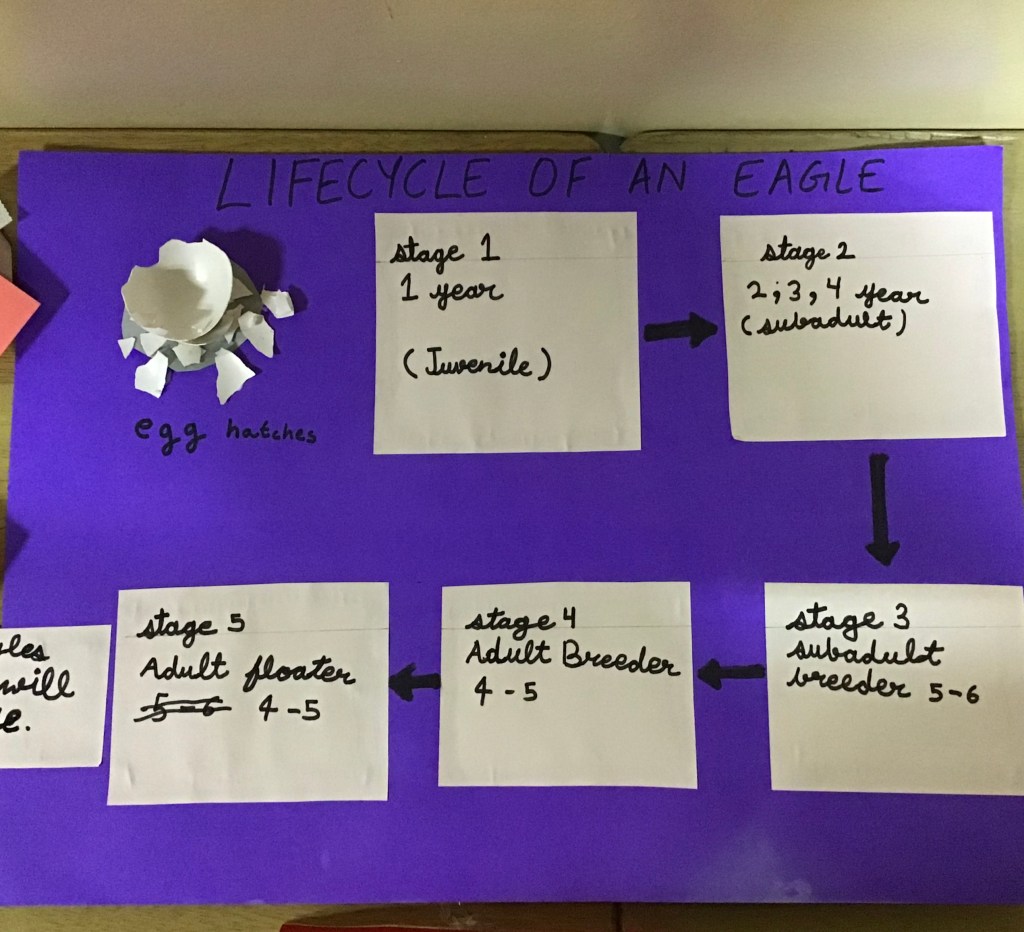
Students organized their research work about different life cycles and presented their findings using models, props or illustrations thereby displaying their creative thinking skills.
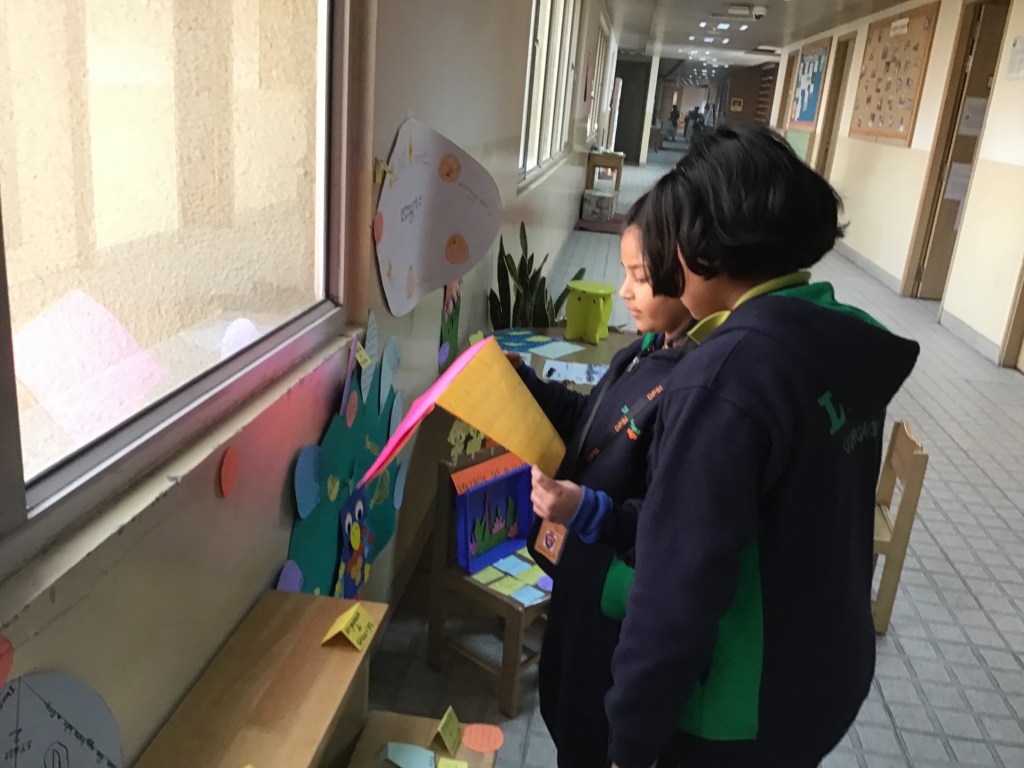
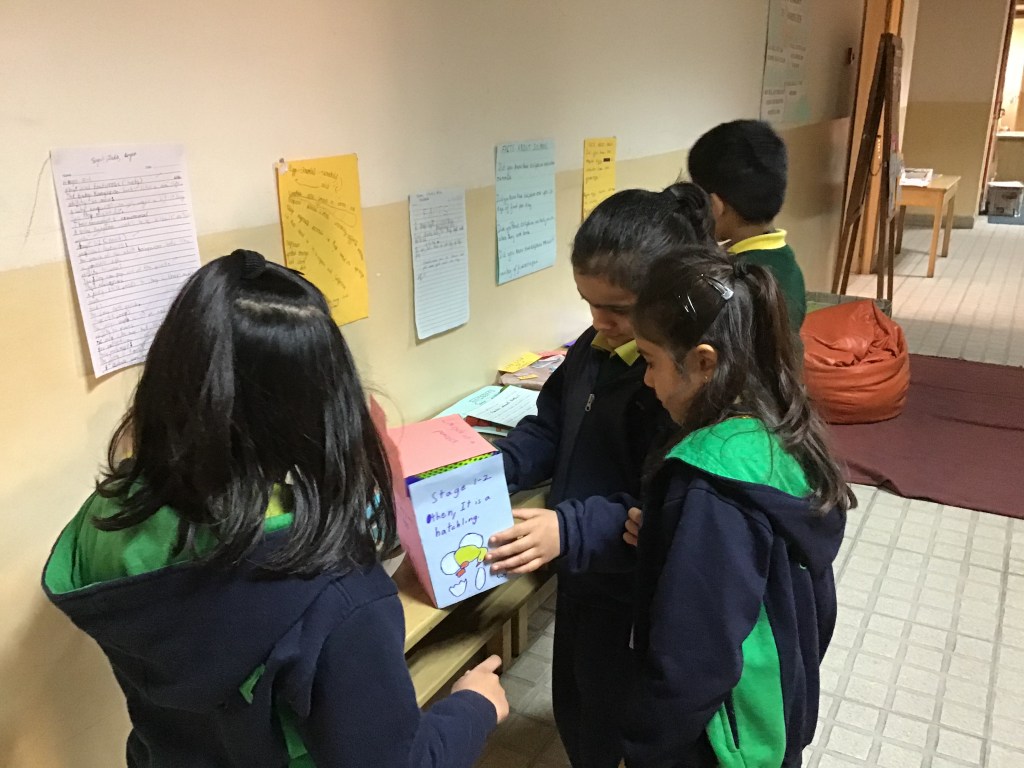
A gallery walk across all sections provided an opportunity to investigate a life cycle of their choice. They analyzed the life cycle chosen using the ‘Connect – Extend – Challenge’ visible thinking routine.
Students illustrated and presented their research work on the chosen life cycle using a schema chart.
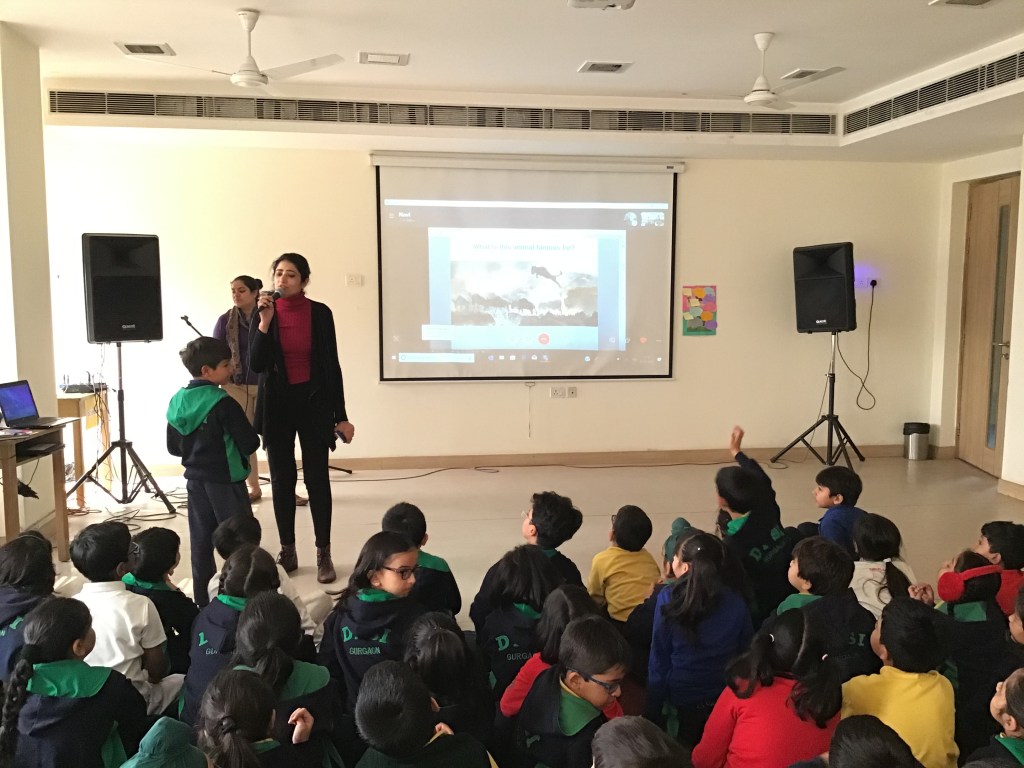
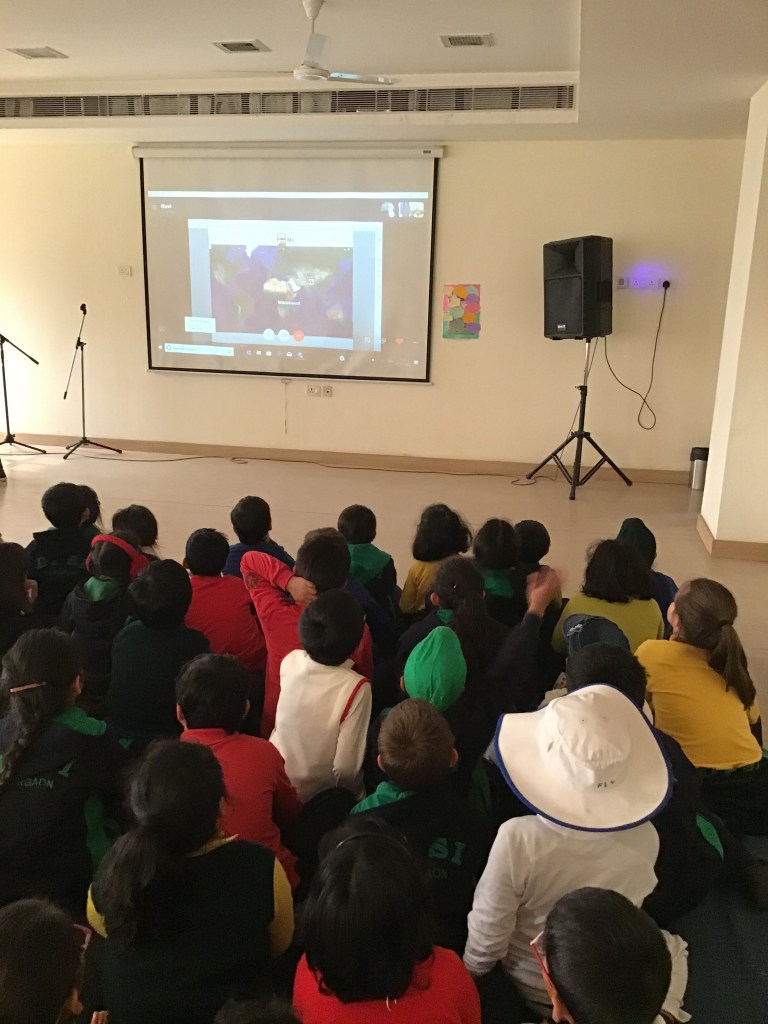
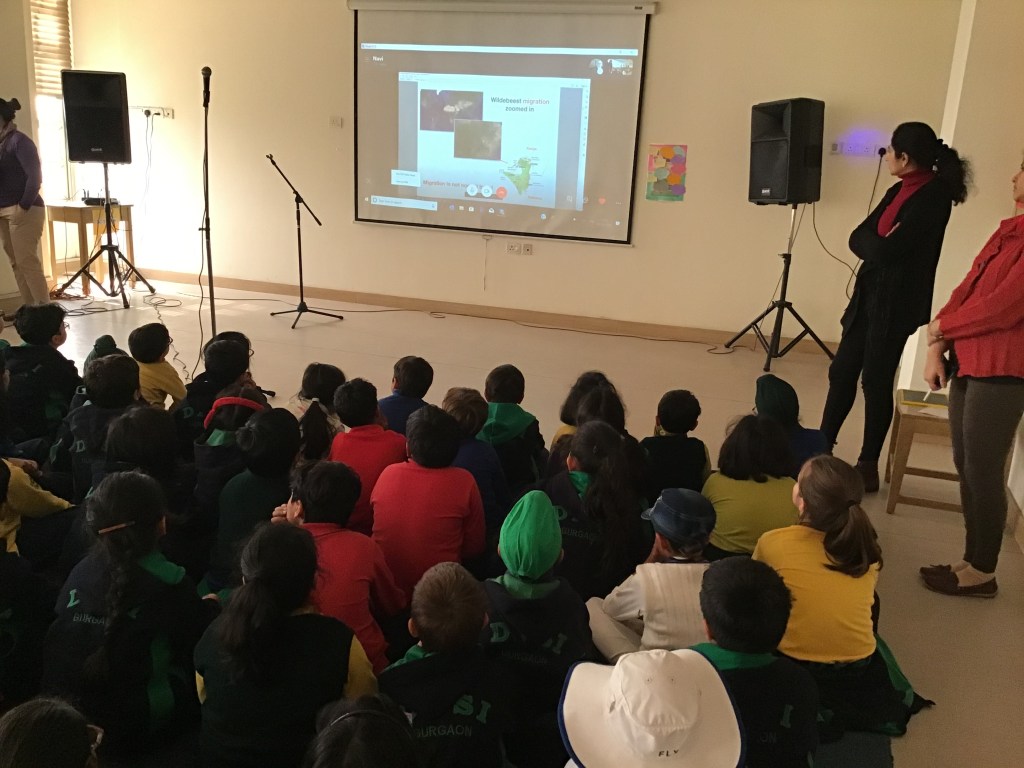
Students further developed their understanding on life cycles and migrations during an engaging and informative skype session with a professor of wildlife and environmental studies at a university in Sweden. Later, they reflected upon their learning using the 3-2-1 strategy.
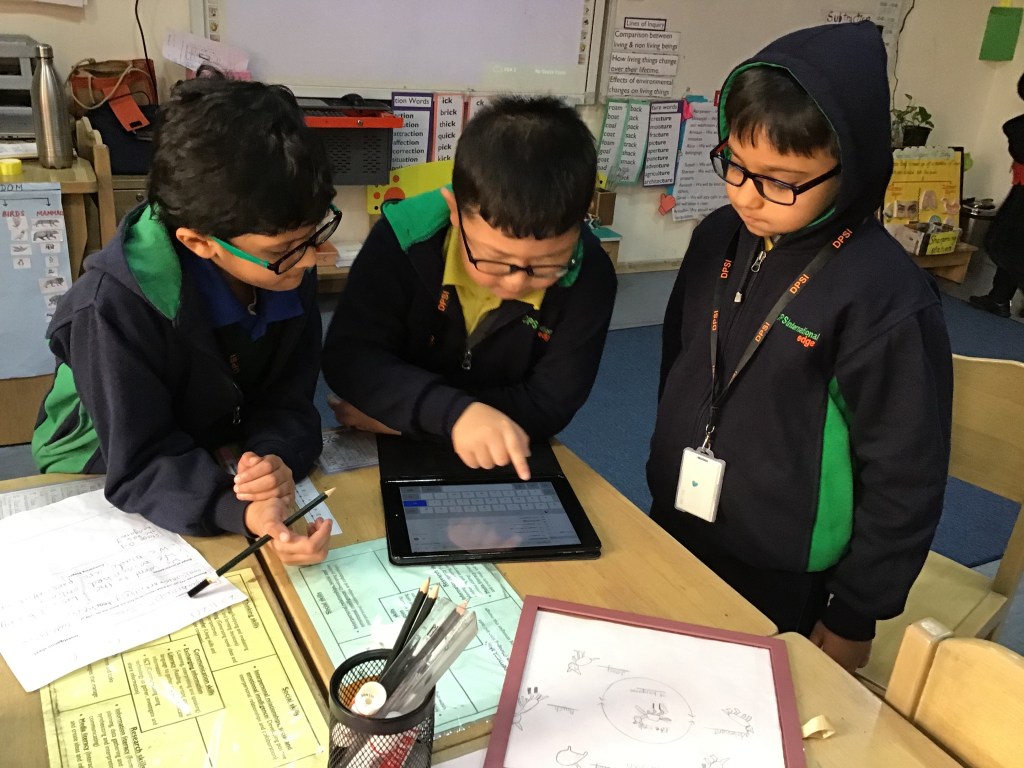
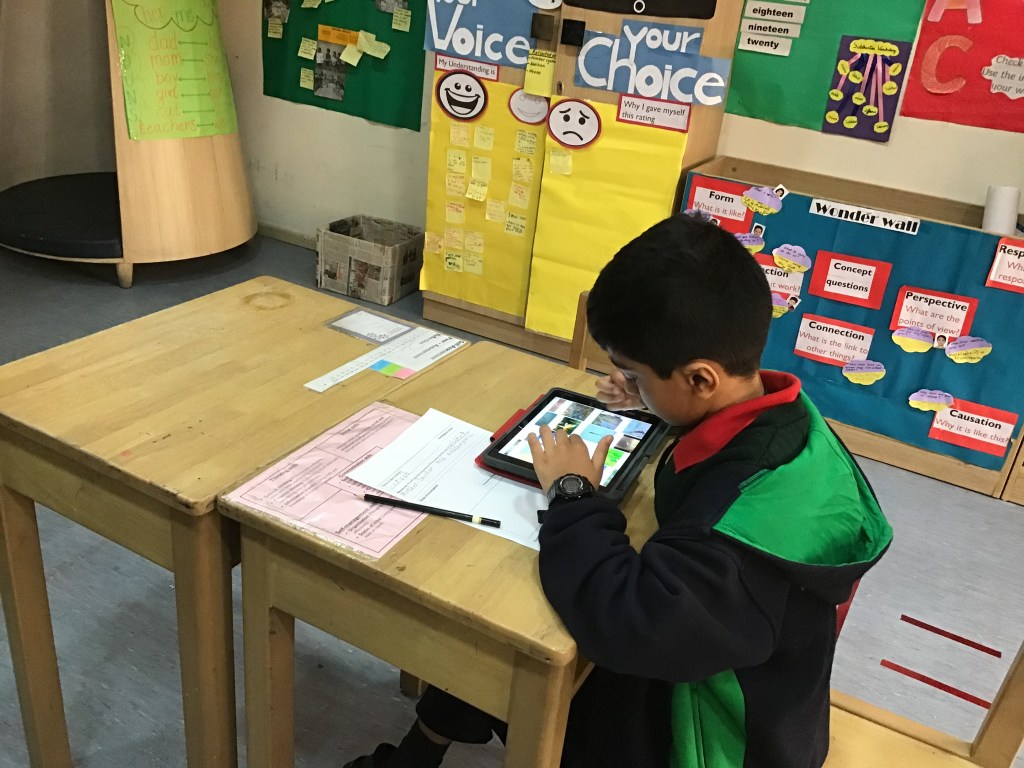
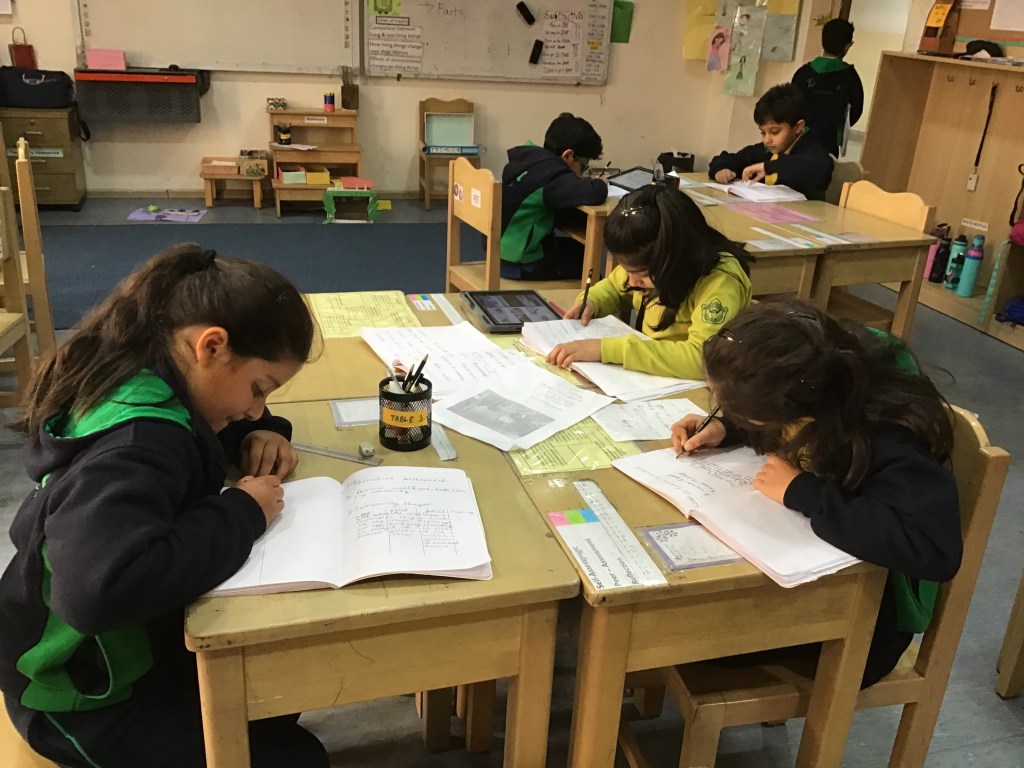
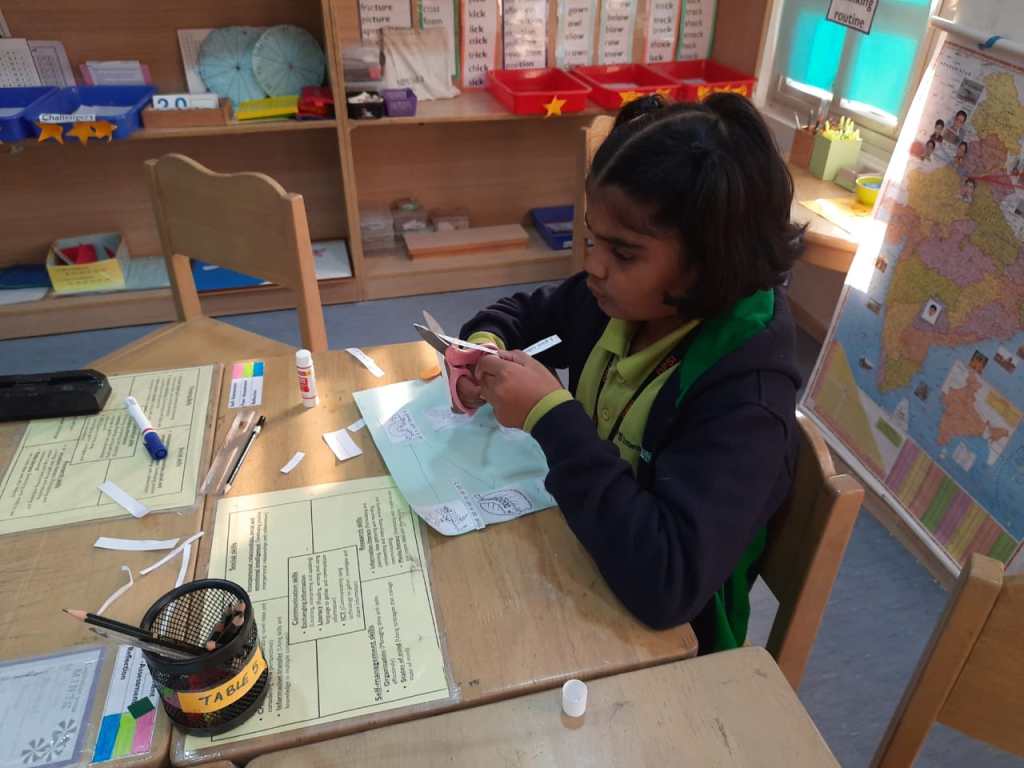
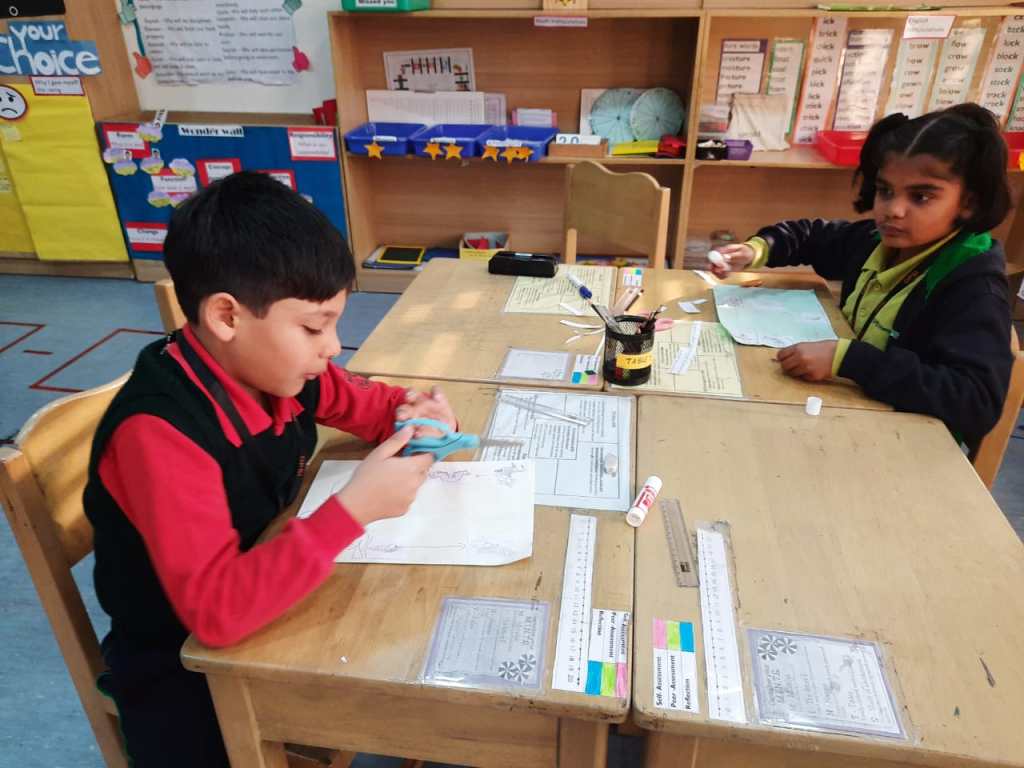
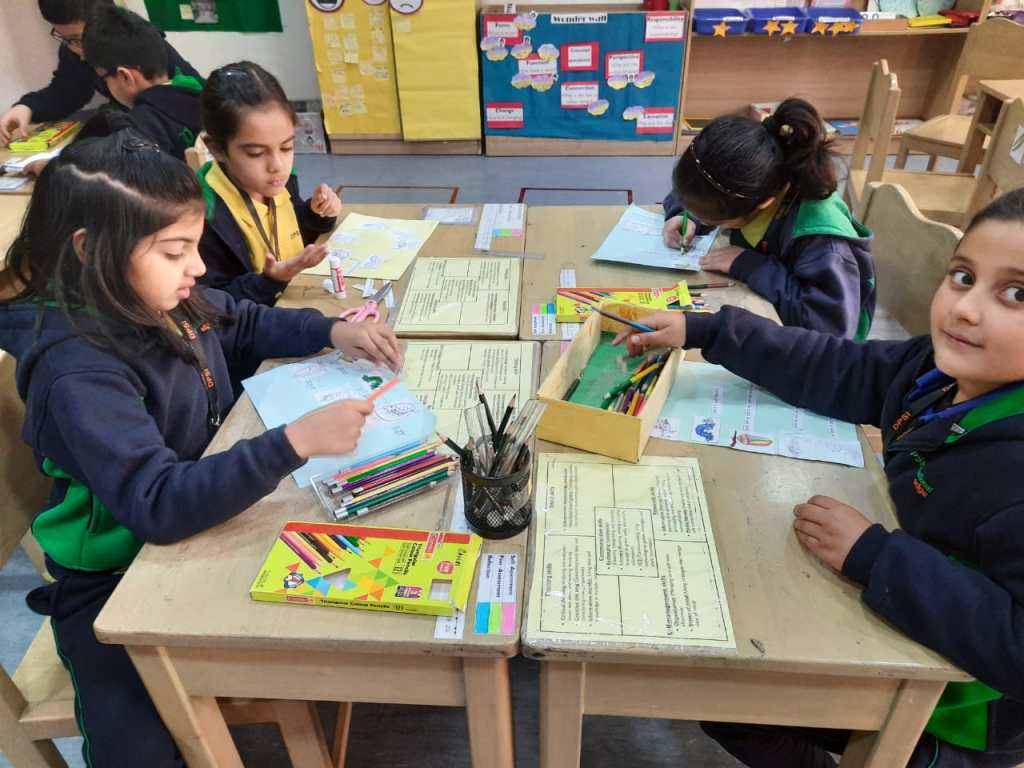
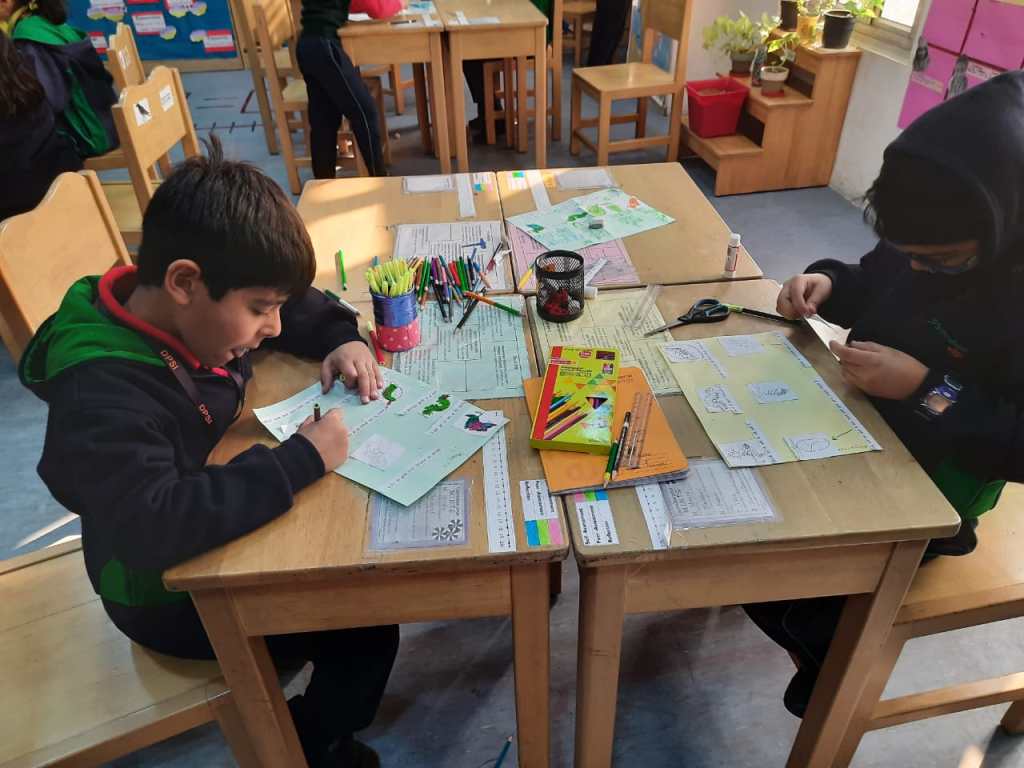
For their assessment on the second line of inquiry, students chose one more life cycle. They collected and validated information using different resources and presented their findings using mediums like, illustrations, creating models or presenting on the book creator. Later, they self-assessed their work using a checklist co-constructed by them and their facilitators.
English
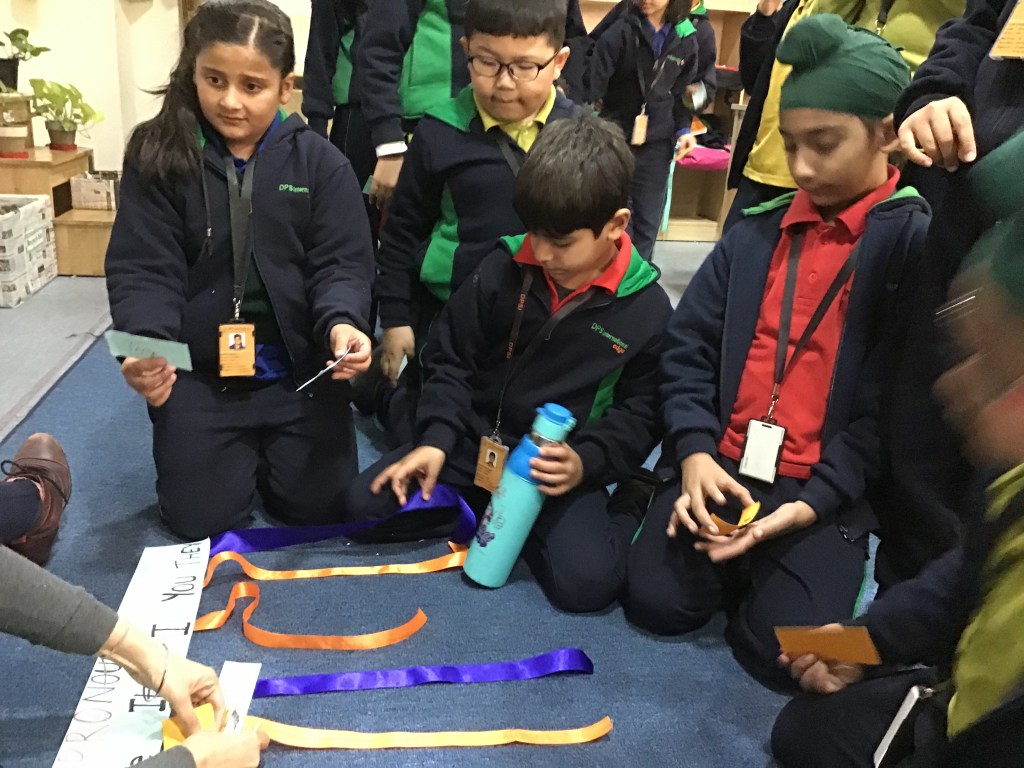
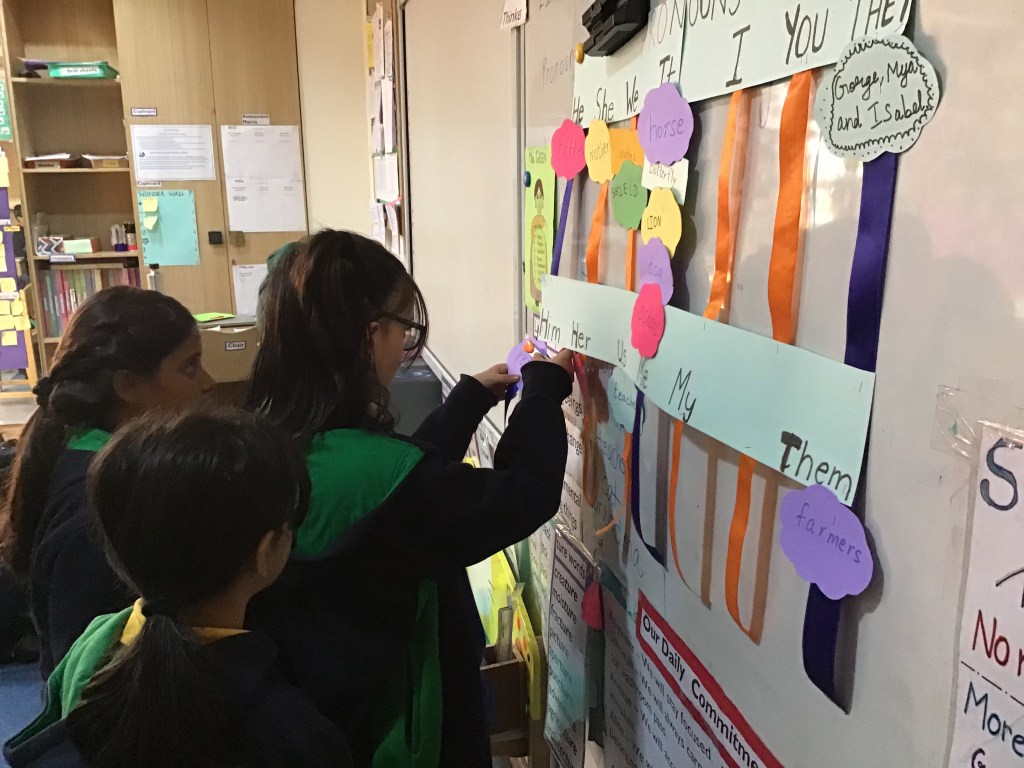
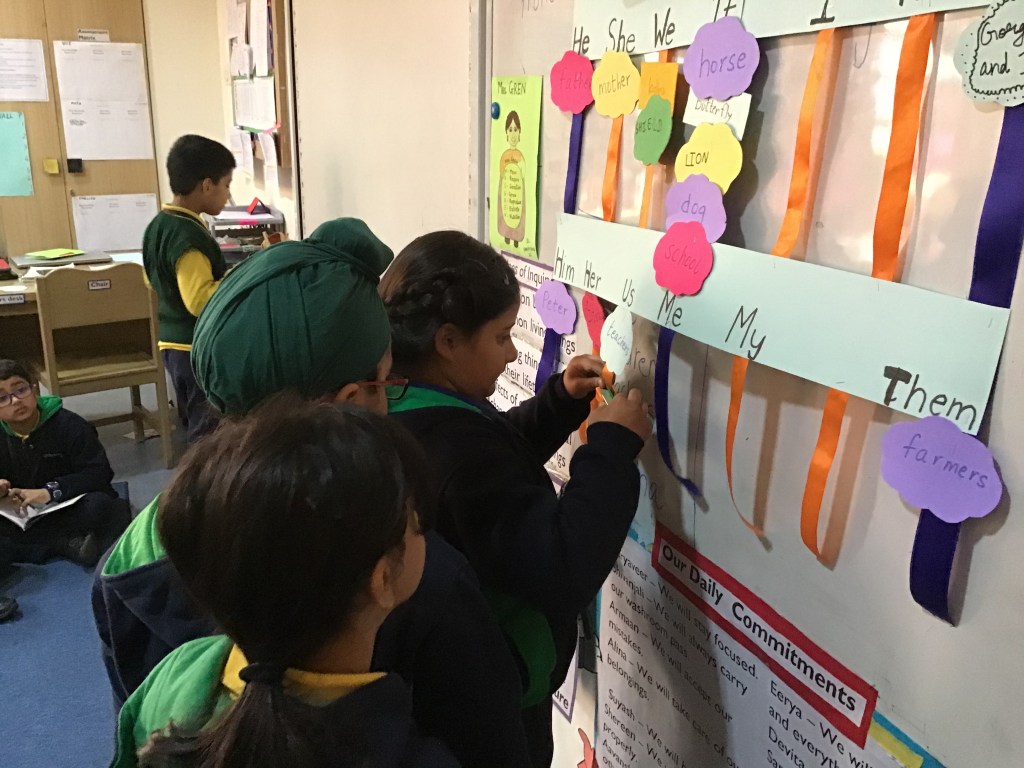
Students were introduced to the concept of pronouns with the help of a class activity where they were encouraged to find matching pronouns for the corresponding noun words in picture cards.
English lessons were integrated with the unit where students read the poem, ‘A plant will grow from a tiny seed’ and sequenced the life stages of a plant.
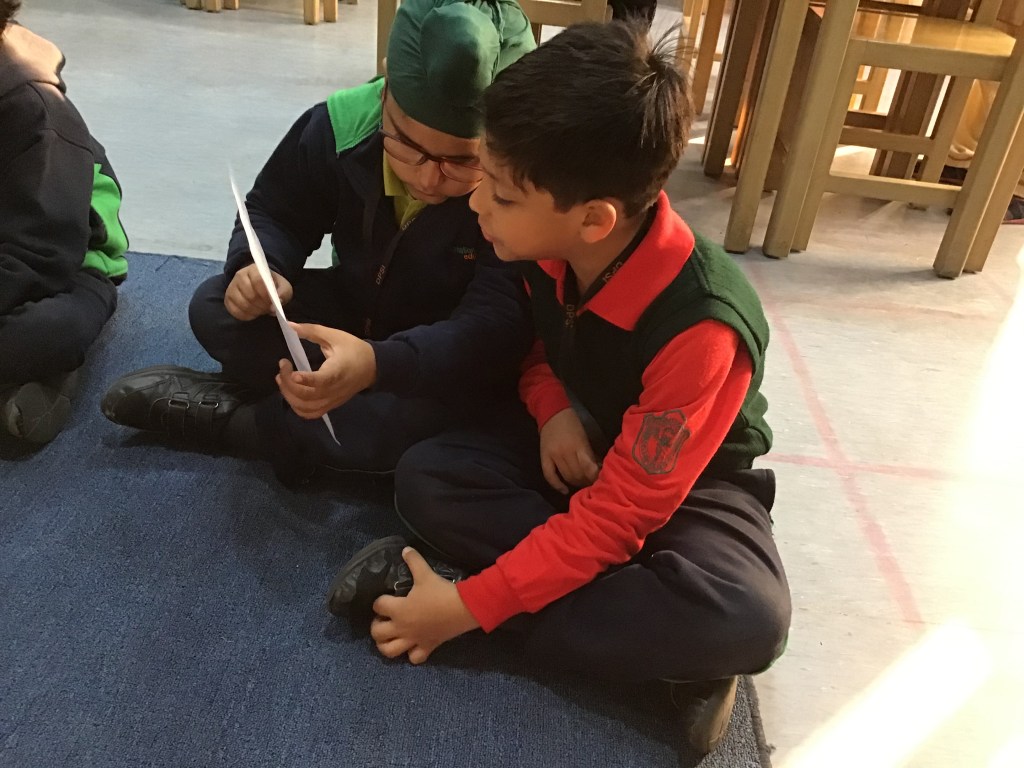
To enhance their listening and reading skills, students progressed with the subsequent chapters of ‘Getting Granny’s Glasses’. Later, they demonstrated their understanding of the story on a tic tac toe sheet.
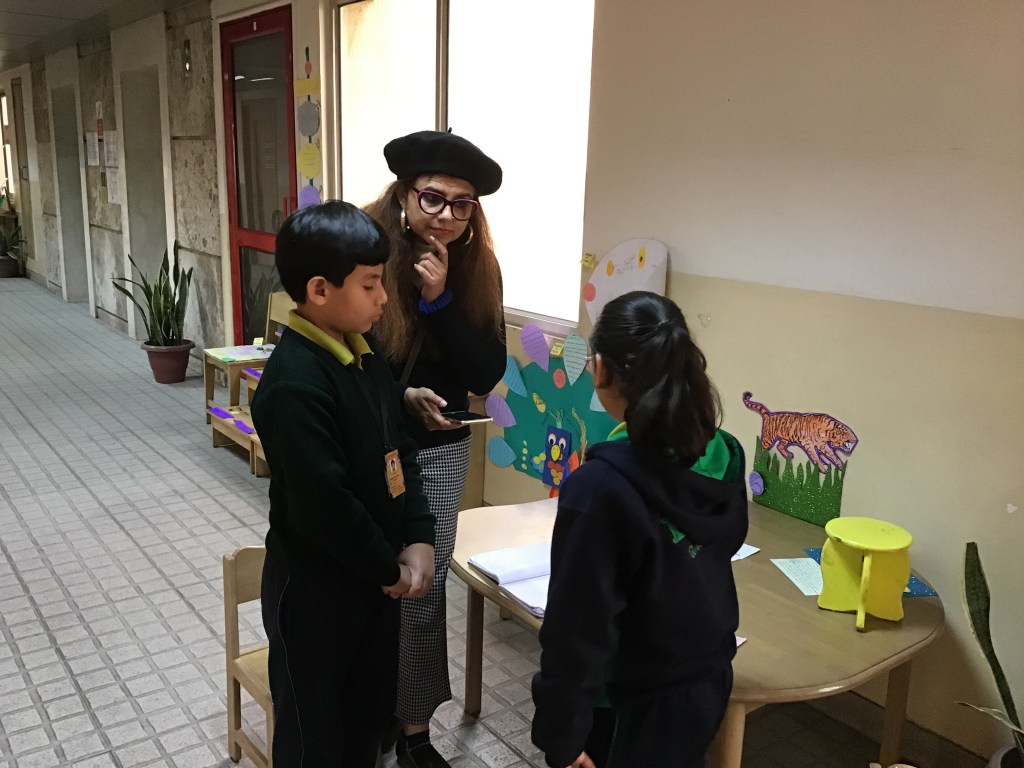
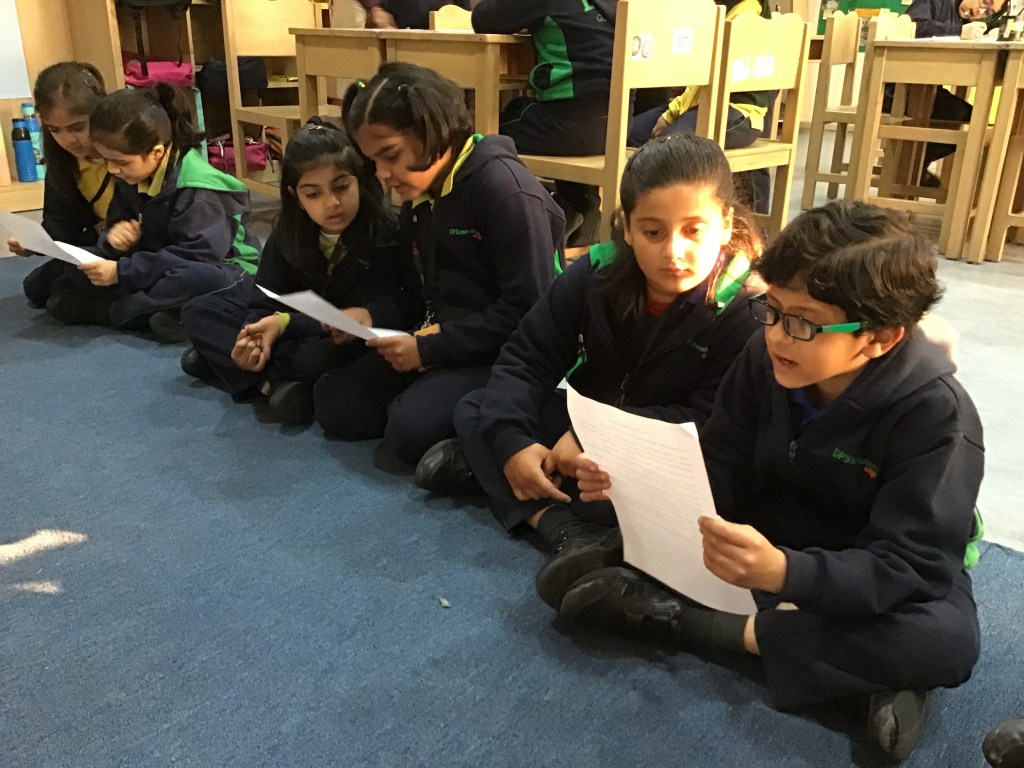
Students showcased their speaking and presentation skills during an inter-section Take and Talk activity. The assessment rubric for the take and talk was co-constructed by students and their facilitators.
A read aloud story session was conducted to introduce narrative writing. Students were explained about the important elements of narrative writing such as, the title, characters, setting and plot etc. Later, they summarized the story in their own words by writing it in the journals.
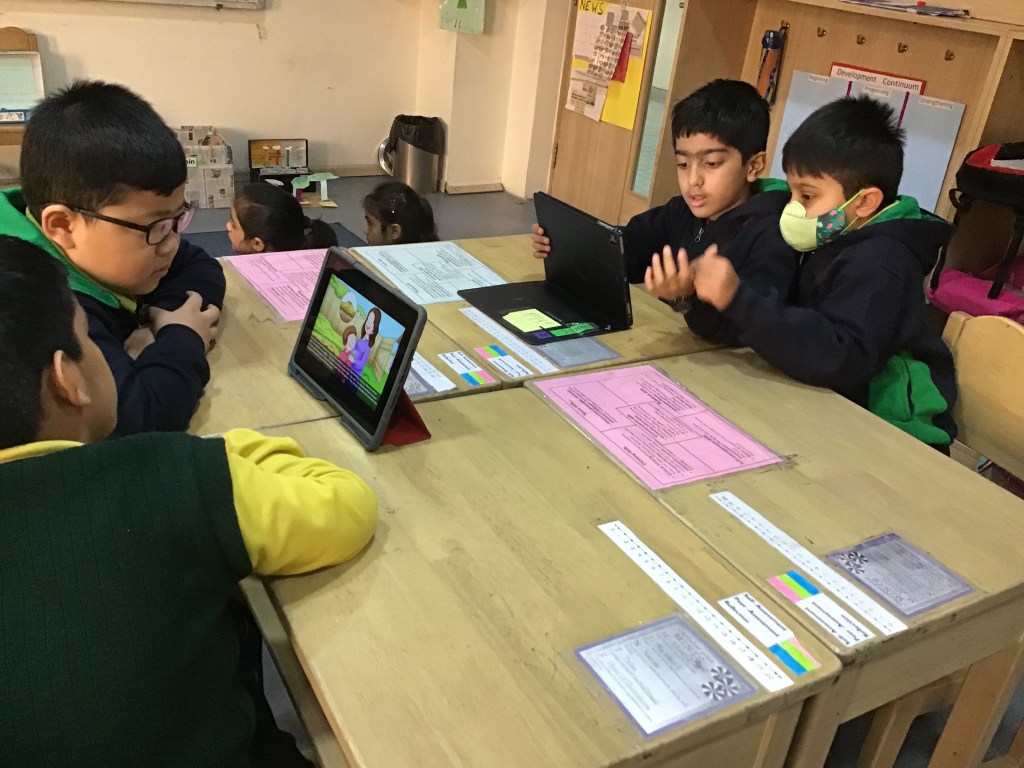
Math
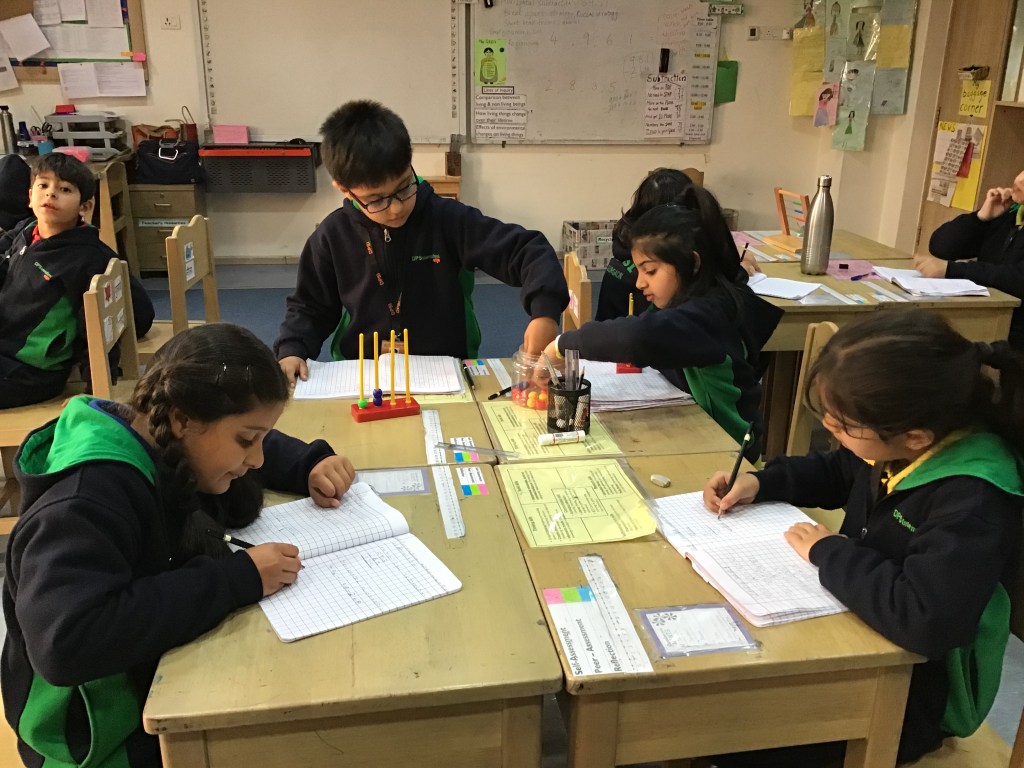
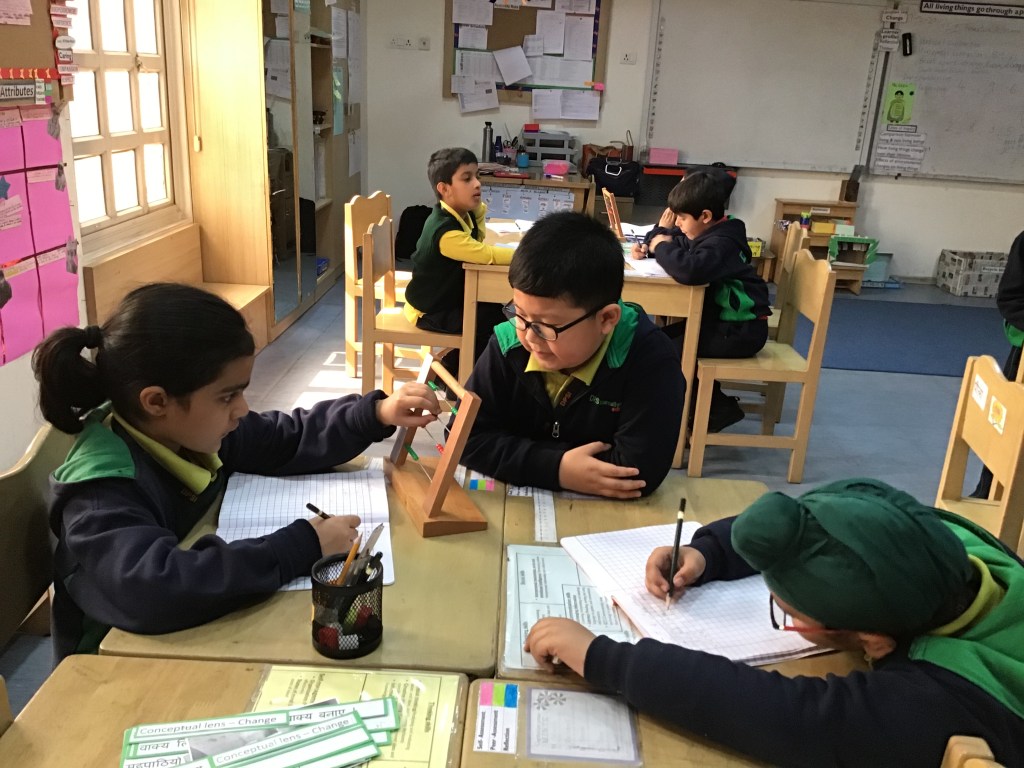
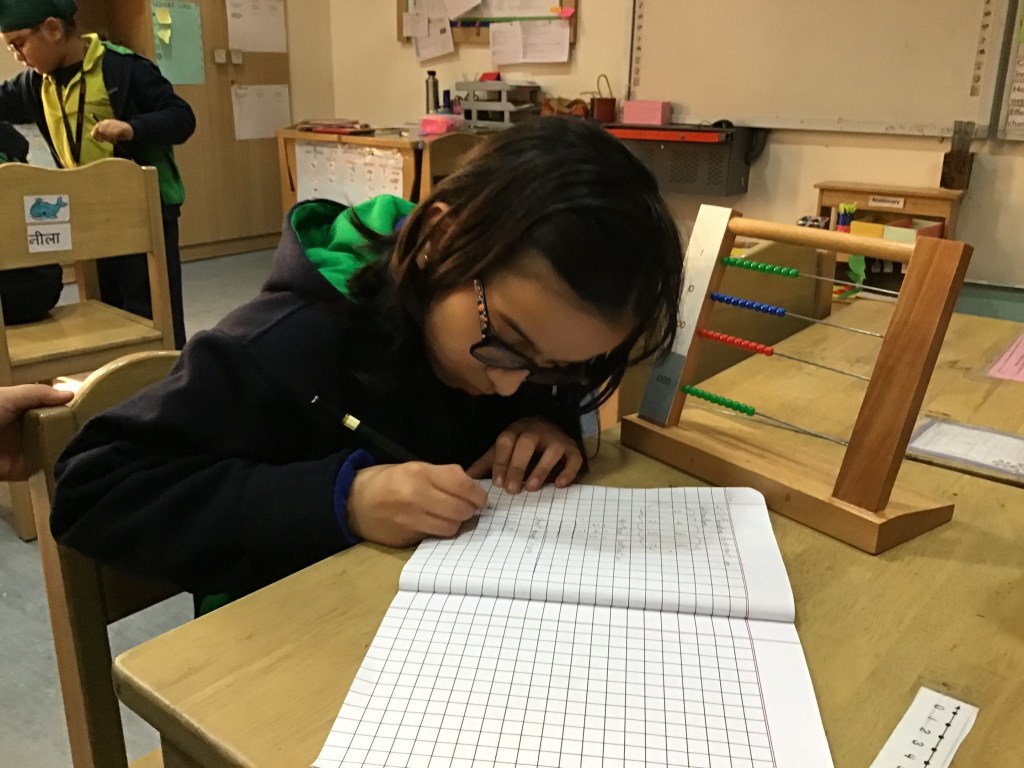
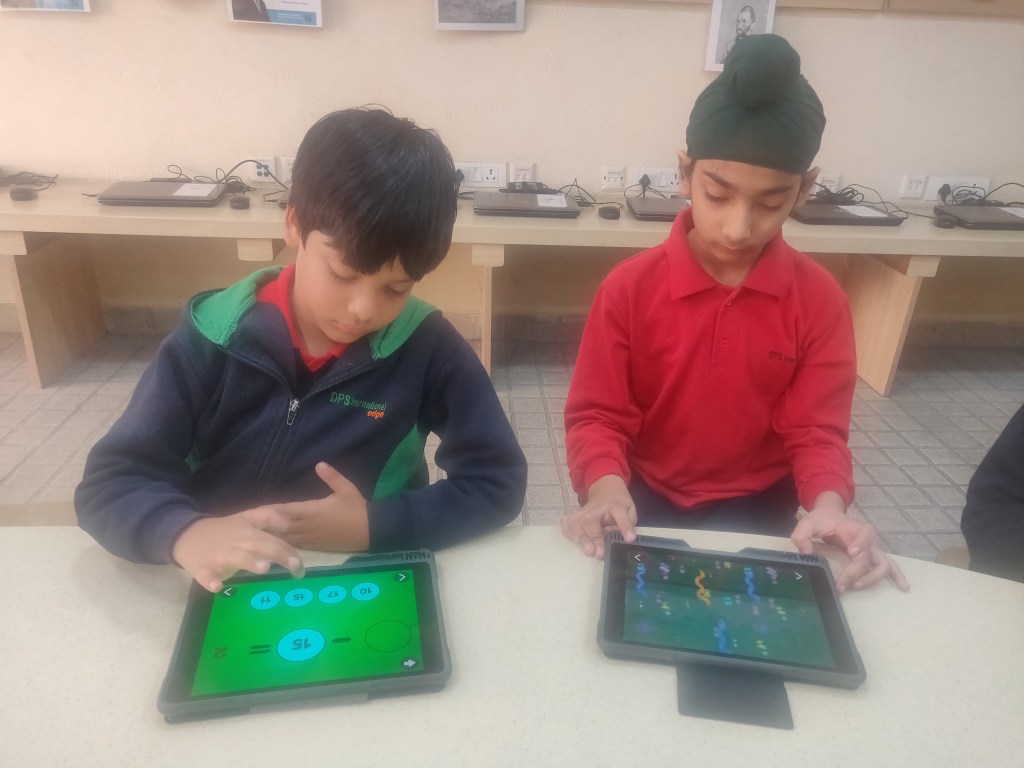
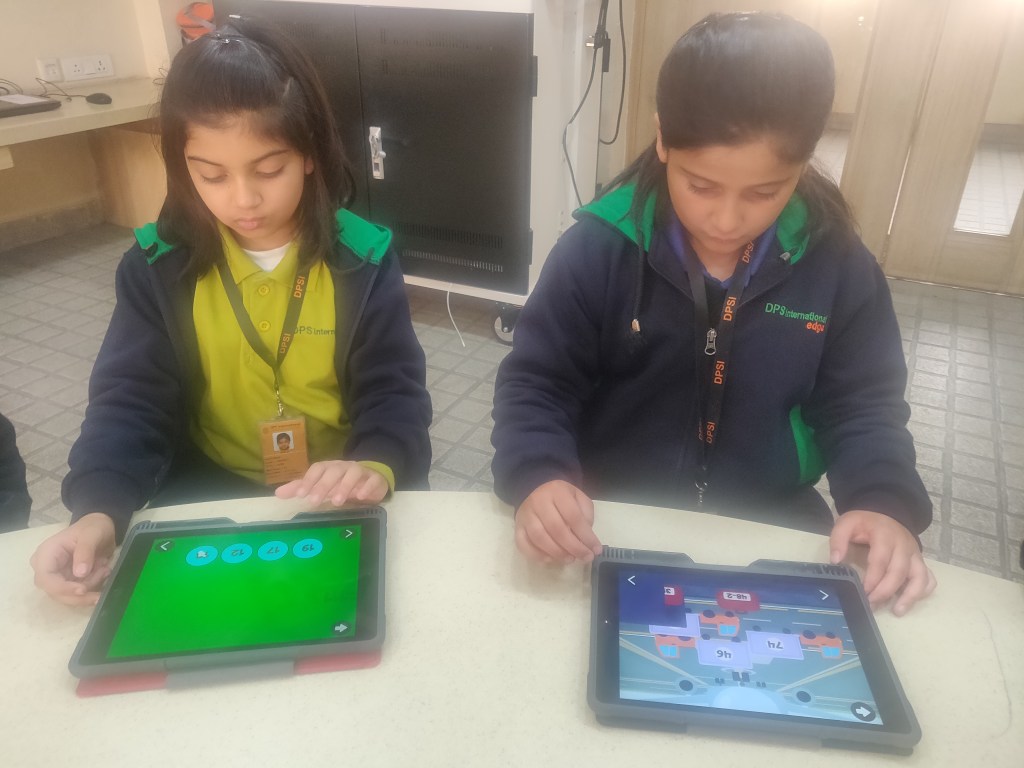
Students strengthened the concept of subtraction using different manipulatives and floor games.
Students used mental math strategies to solve subtraction equations. Subsequently, they were assessed on their understanding of different strategies using a formative assessment.
Students understood relation between addition and subtraction with the use of fact family. They were introduced to subtraction word problems using RUCSAC strategy. They were encouraged to create their own word problems and solve them.
Students were introduced to the concept of patterns. Further inquiry enabled students understand the related concept of pattern and sequence.
Hindi
During their Hindi lessons students identified nouns from the story, ‘Ilee Ke Joote’ and wrote suitable adjectives for the nouns.
They placed pictures along with the correct description to complete the life cycle of a butterfly. This activity helped the students to enhance their thinking skills. They also recited a poem ‘Titlee Aur Kalee’ and wrote rhyming words from the same.
ICT
Students in ICT learned about various input and output devices. Later, they created a Venn diagram to compare their characteristics.
They were introduced to a new feature of Scratch Jr. where using this feature they could add any picture as a character by using the camera option.
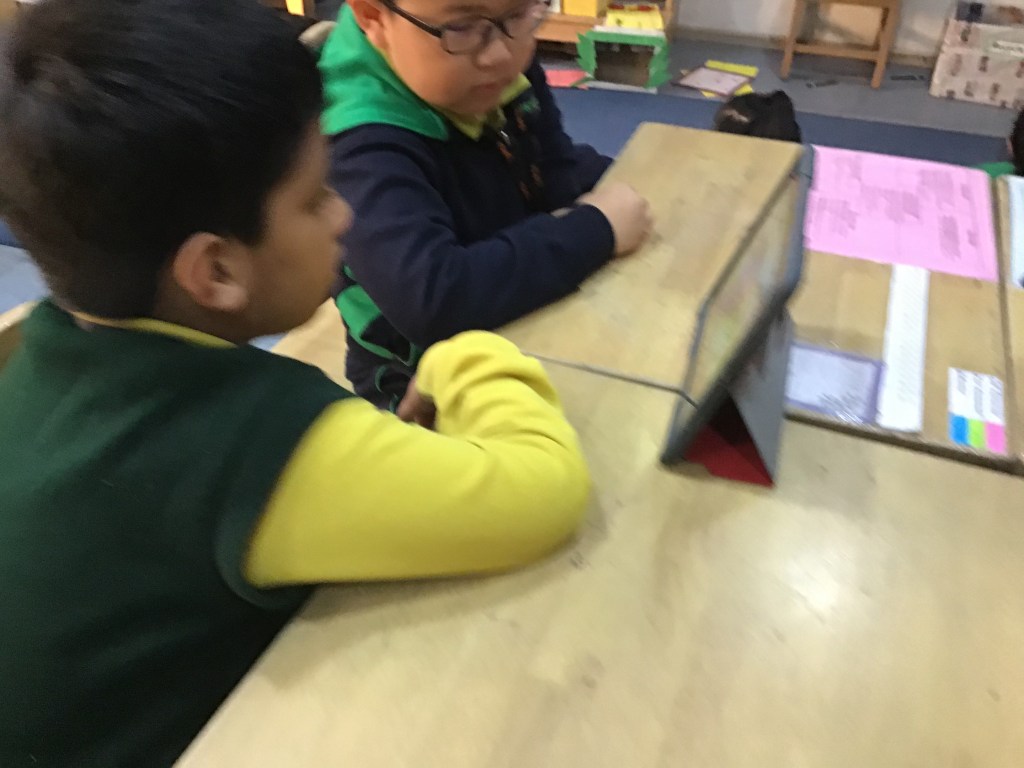
Students were introduced to book creator app where they learned how to add images, background, text and record.
Students marked February 11, 2020 as Safer Internet Day. They learned how they can be safe yet responsible when using online technology.
Music
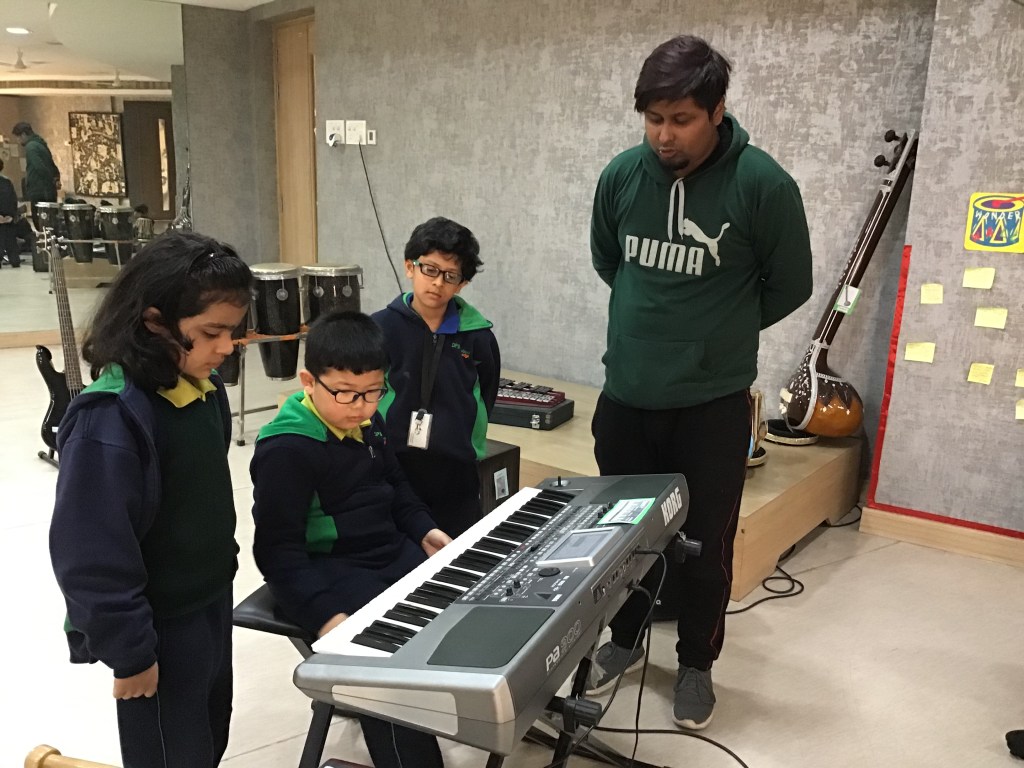
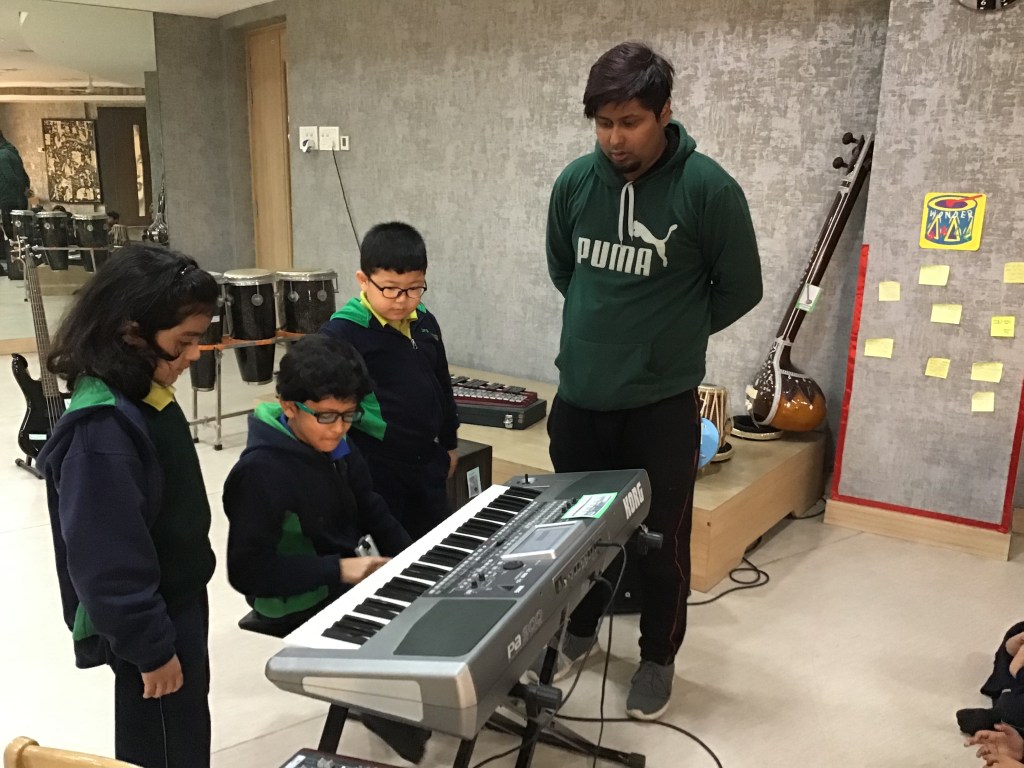
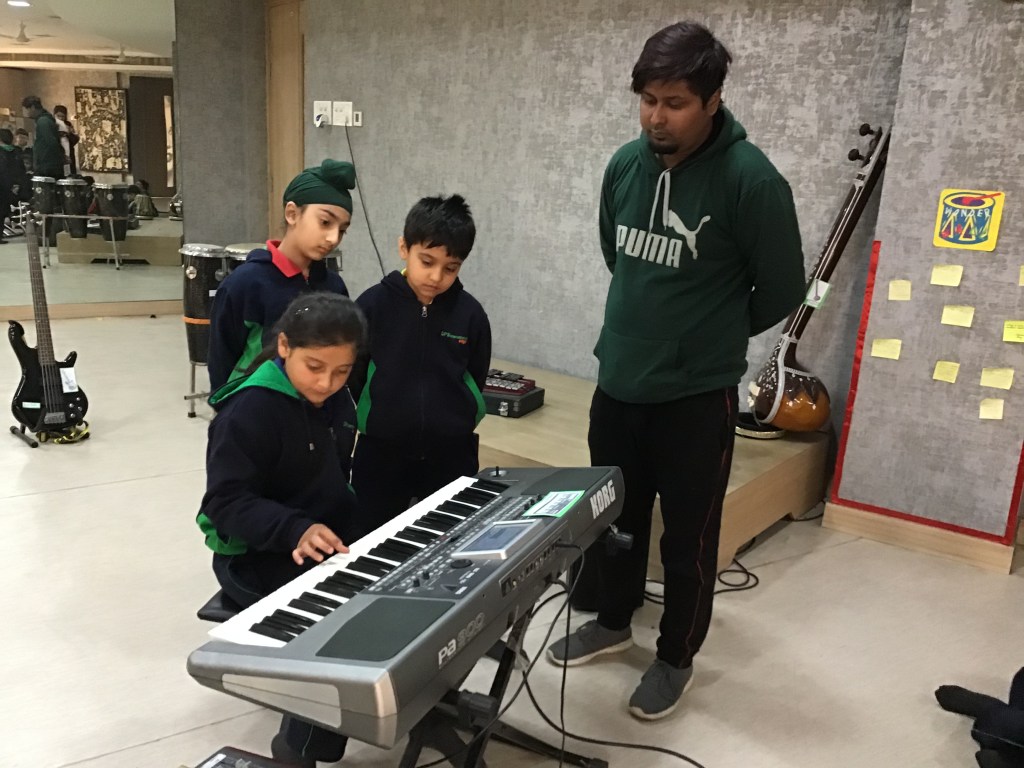
During music lessons, students learned about notes on a keyboard, they practiced the correct finger movement patterns with right hand to play a keyboard/piano.
Students played music scale of key C using the correct finger technique.
They learned and practiced playing the basic tunes for the ‘Happy Birthday’ song on the keyboard.
Art
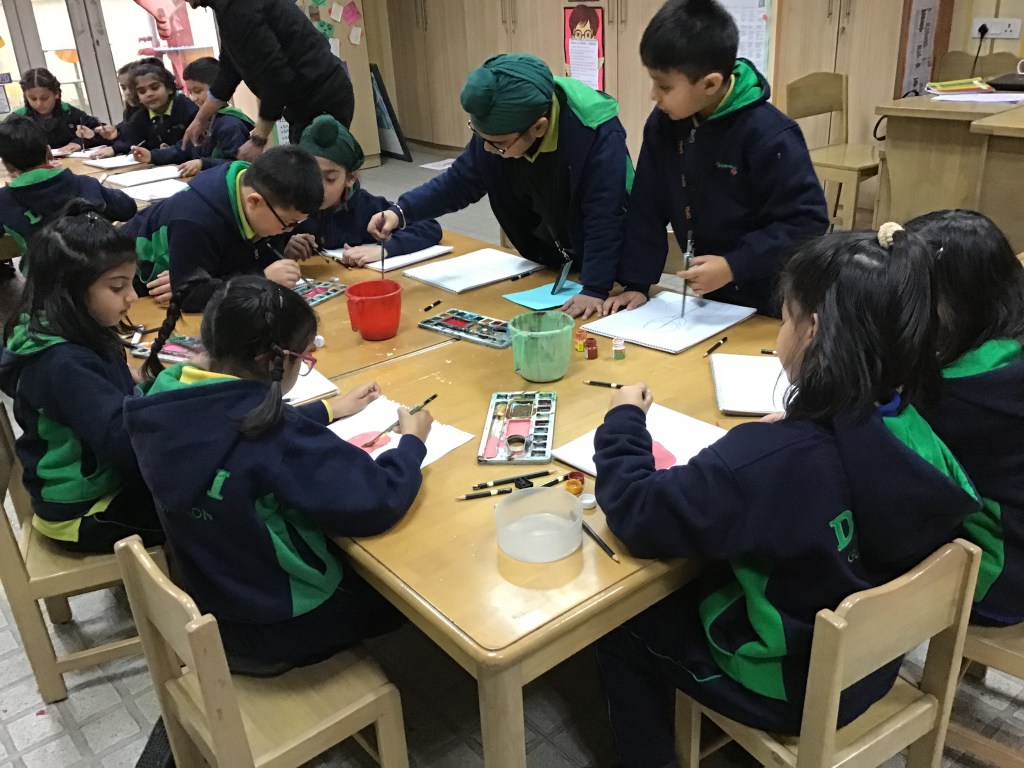
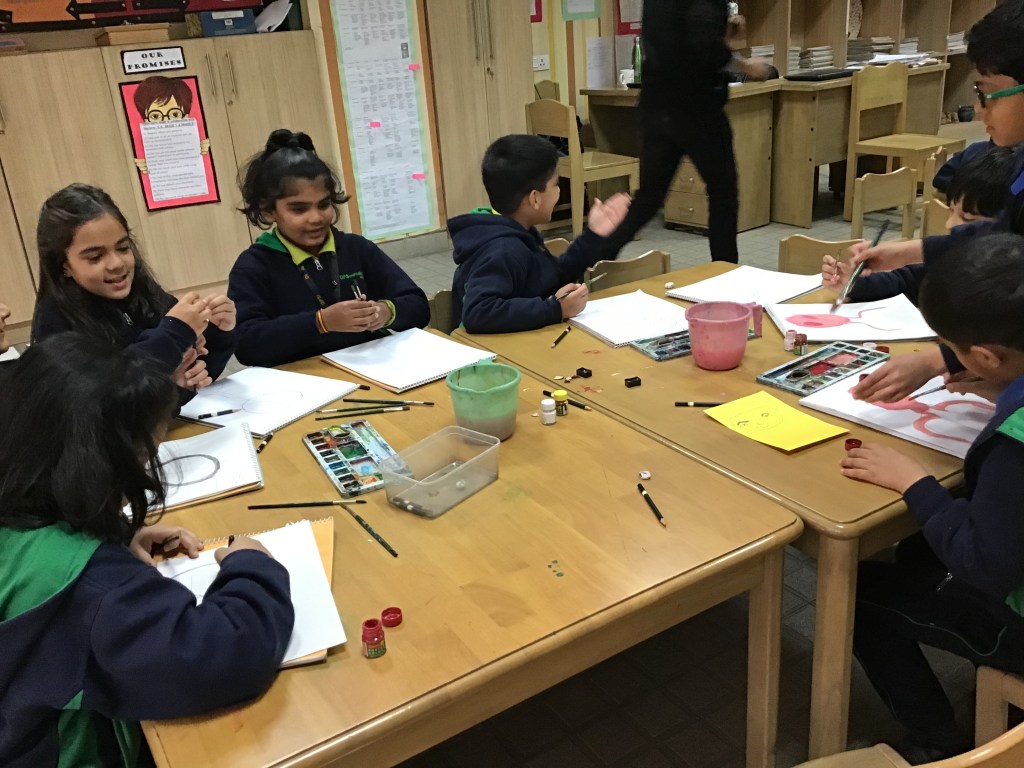
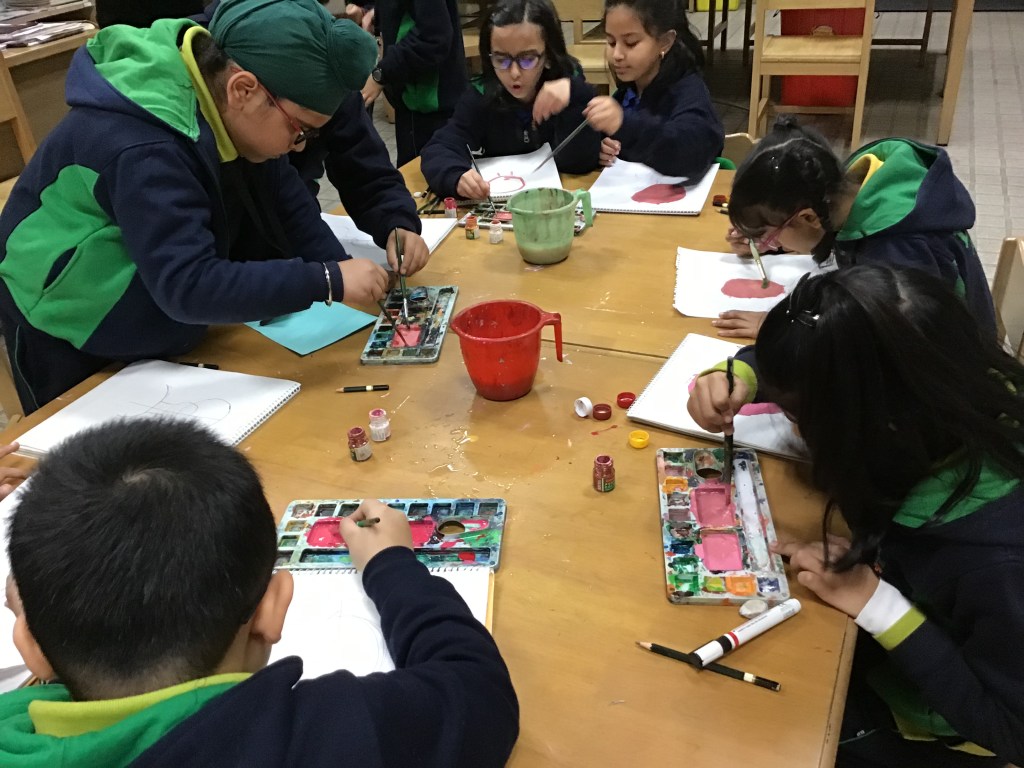
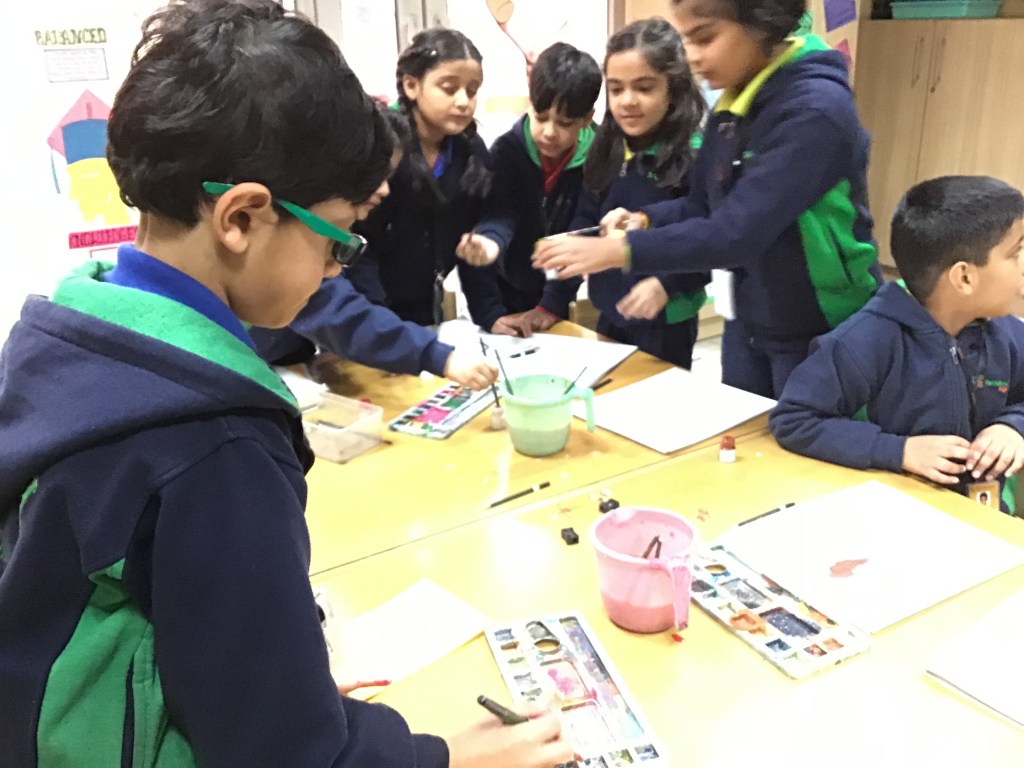
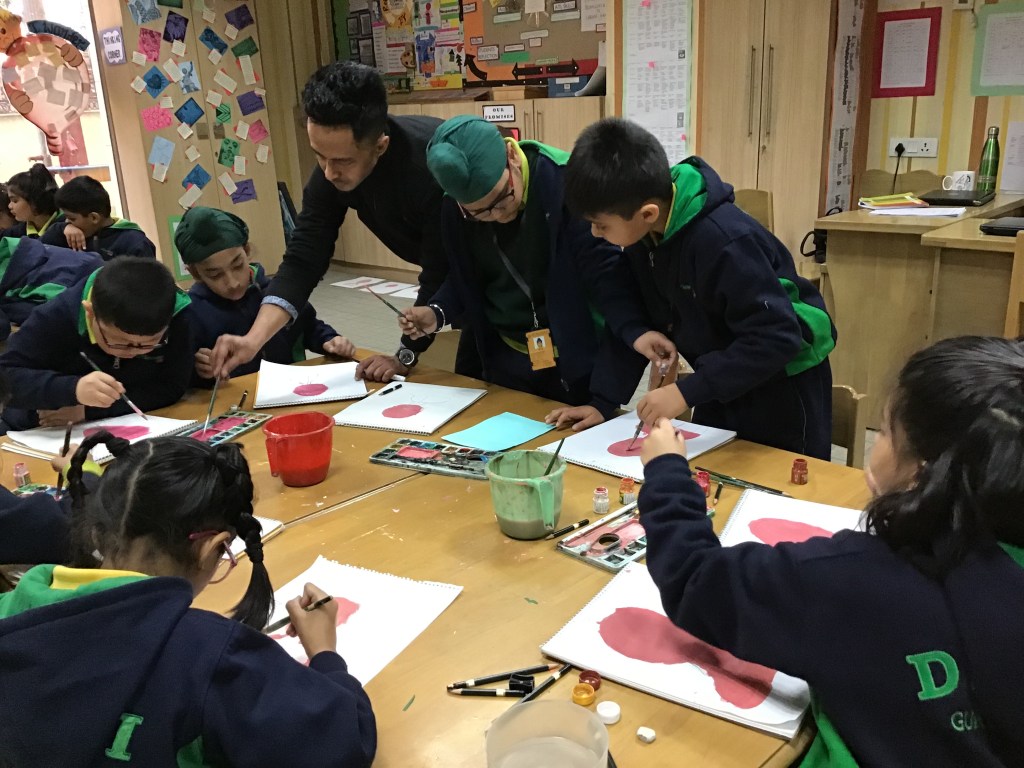
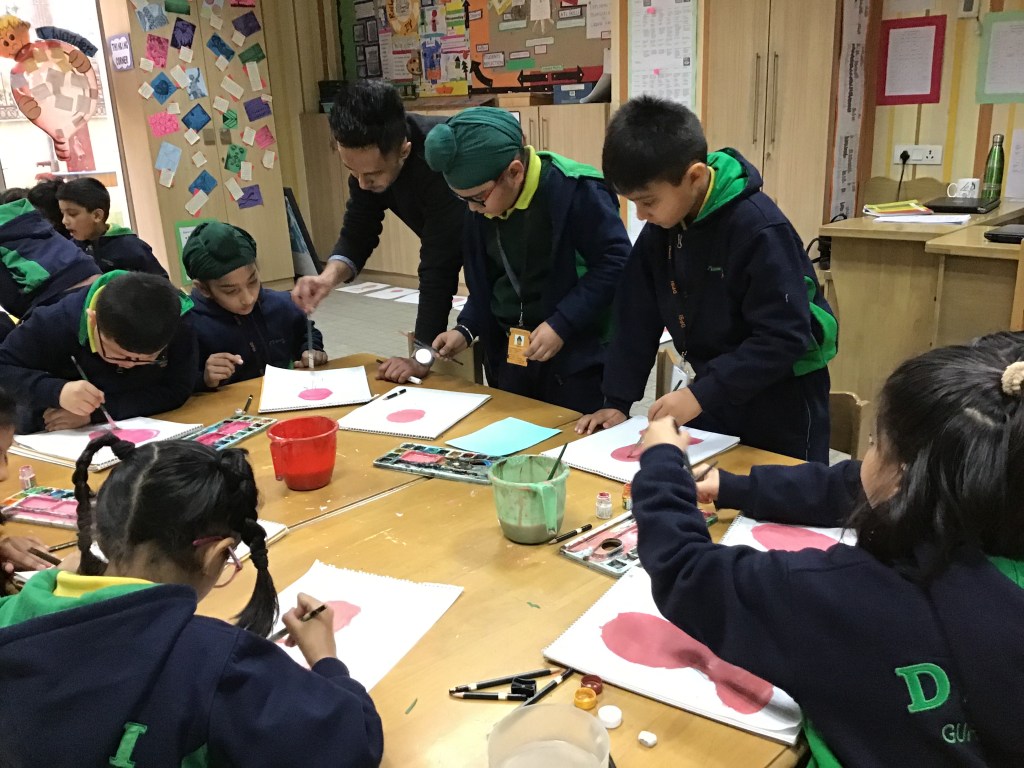
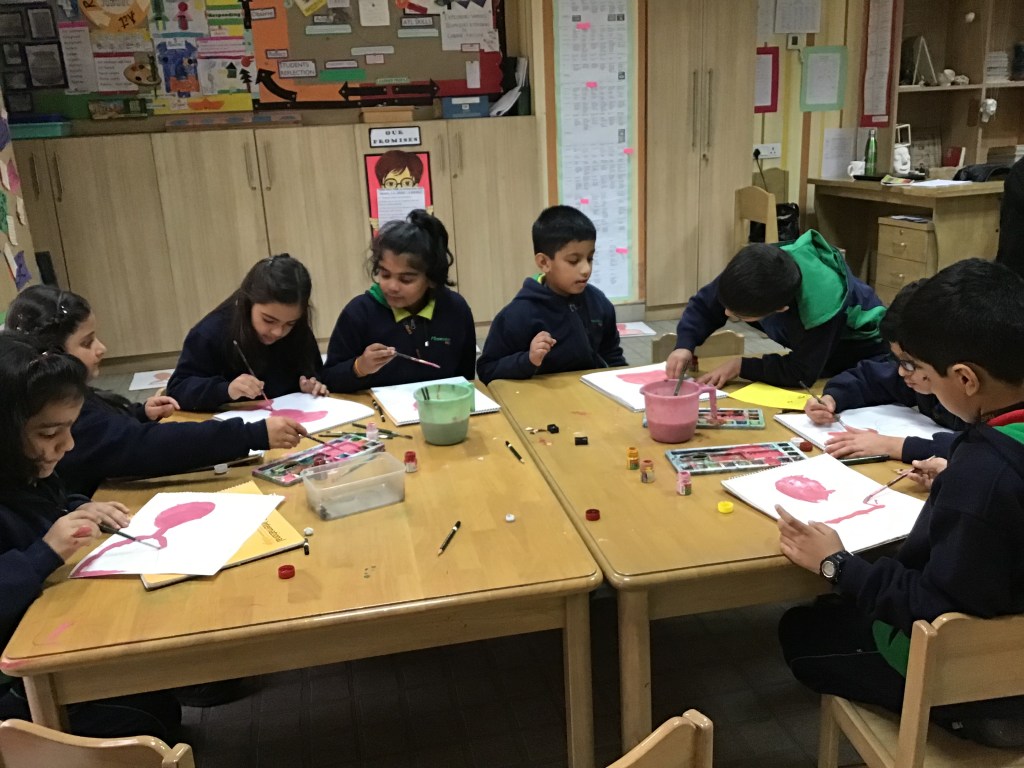
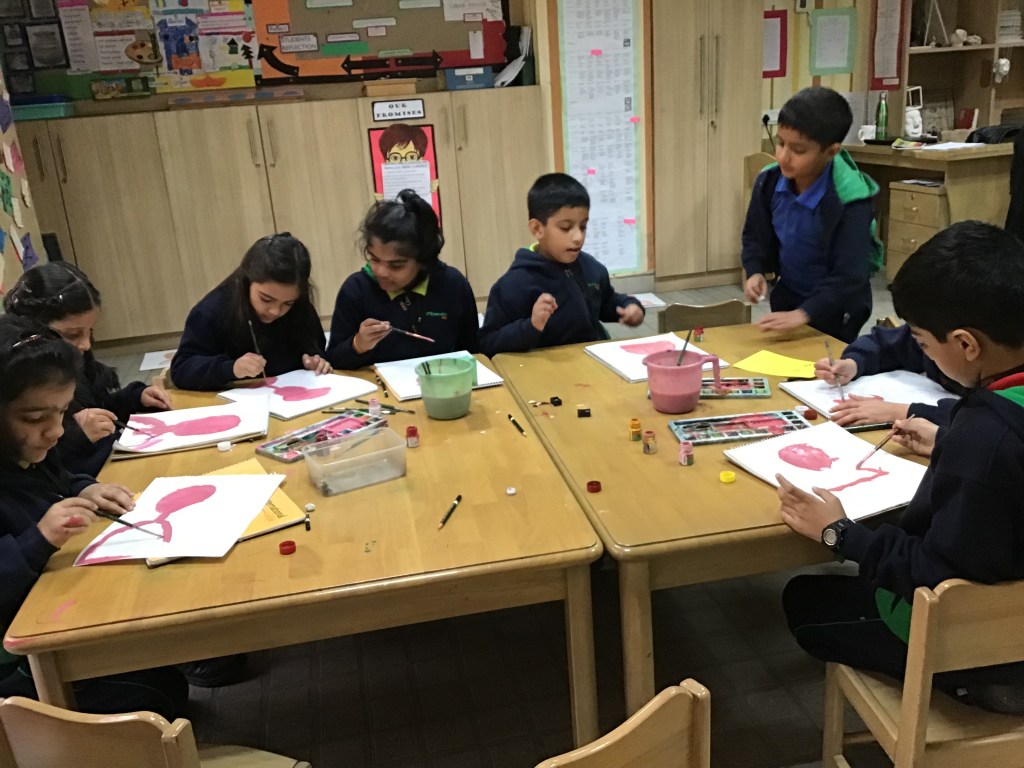
This week students continued their exploration into cubism by using oil pastels to colour portraits. They employed variation of colour and style based on their observations of cubist artworks while also employing their own distinctive styles and choice of colours.
Physical education
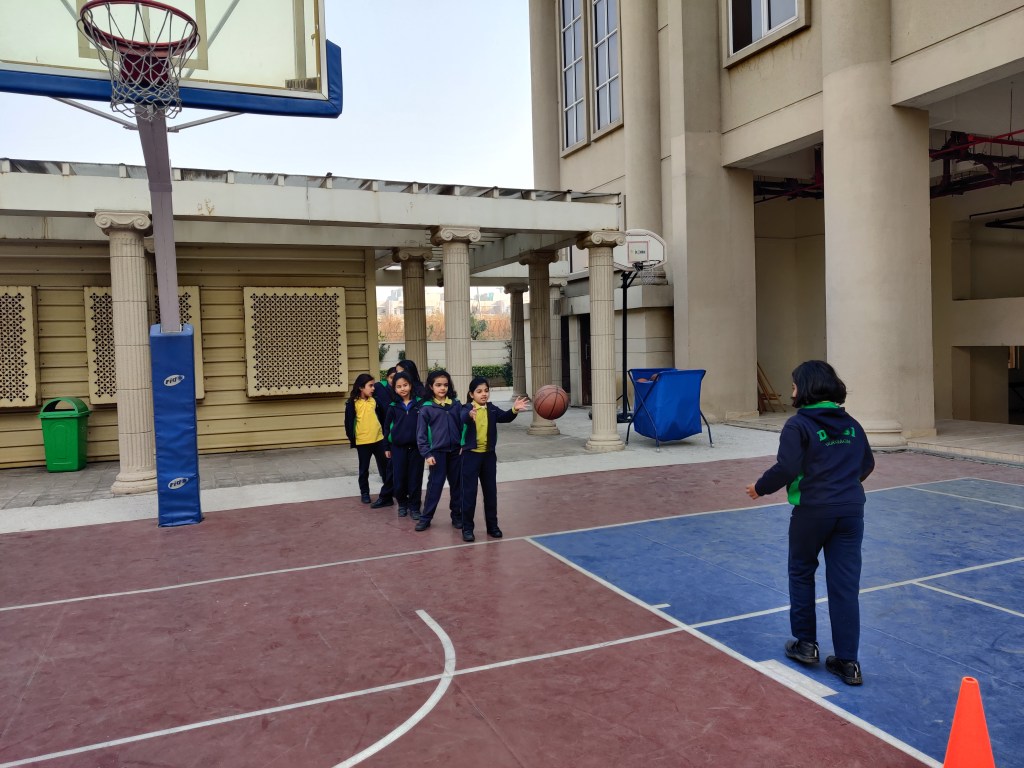
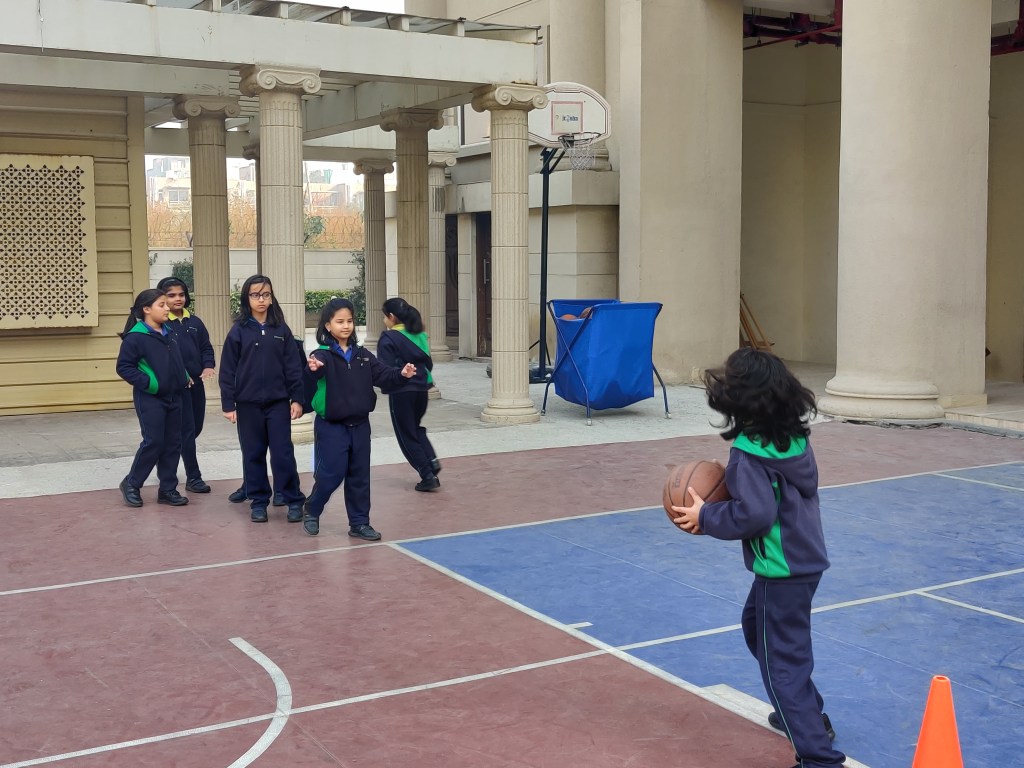
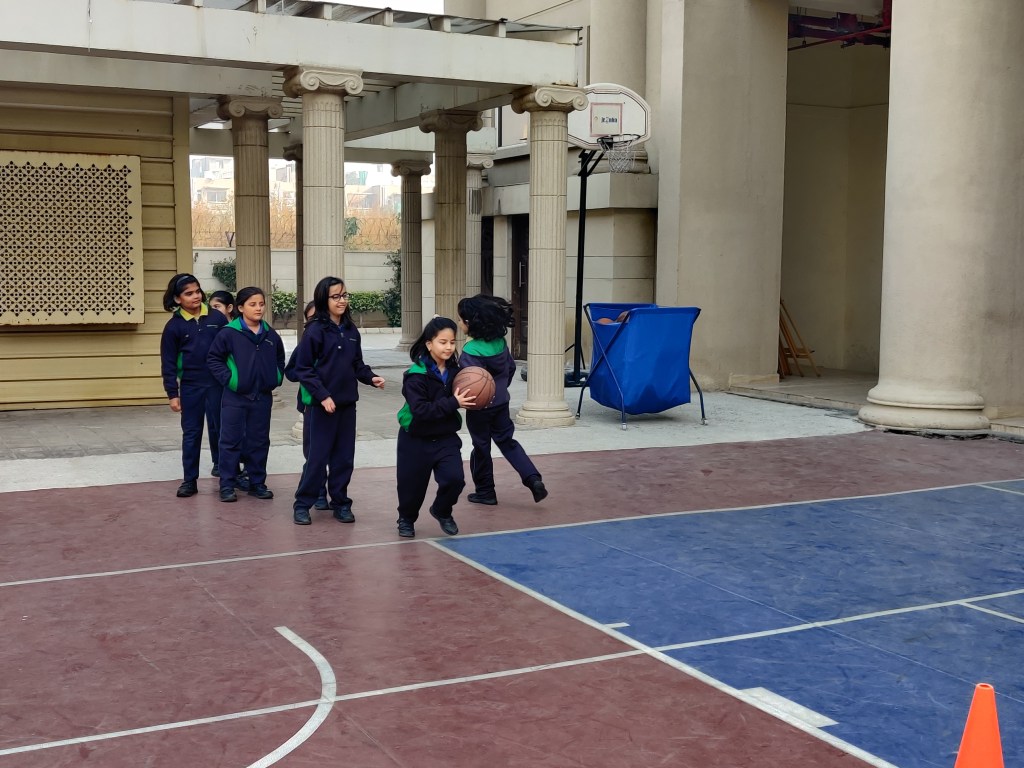
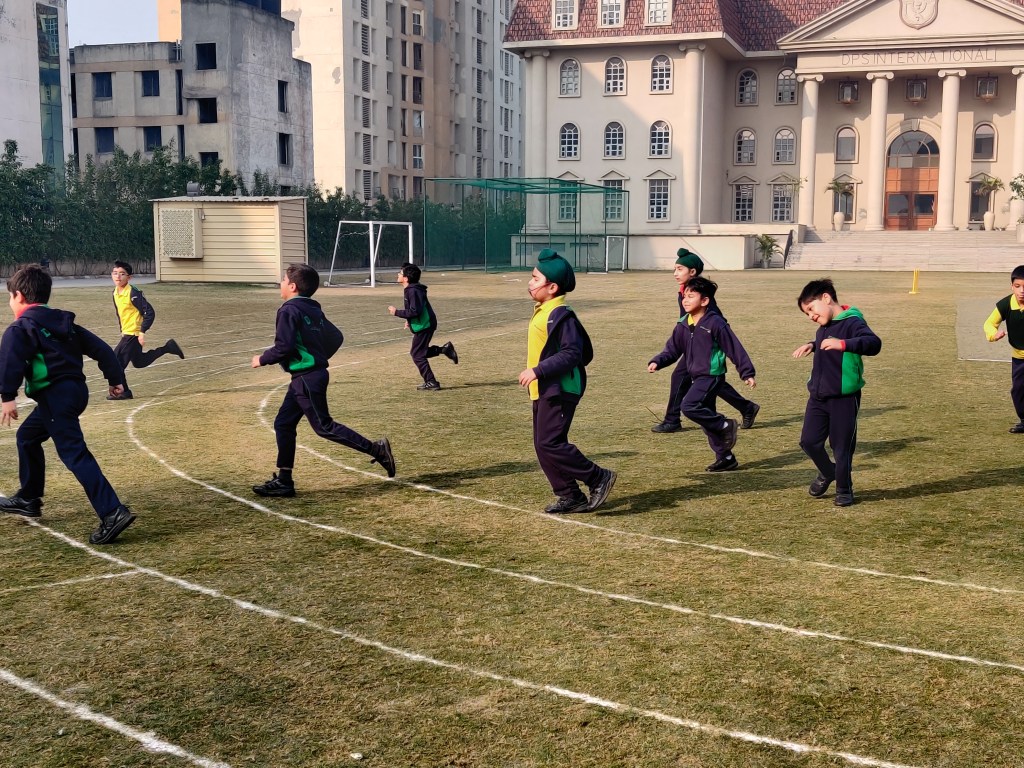
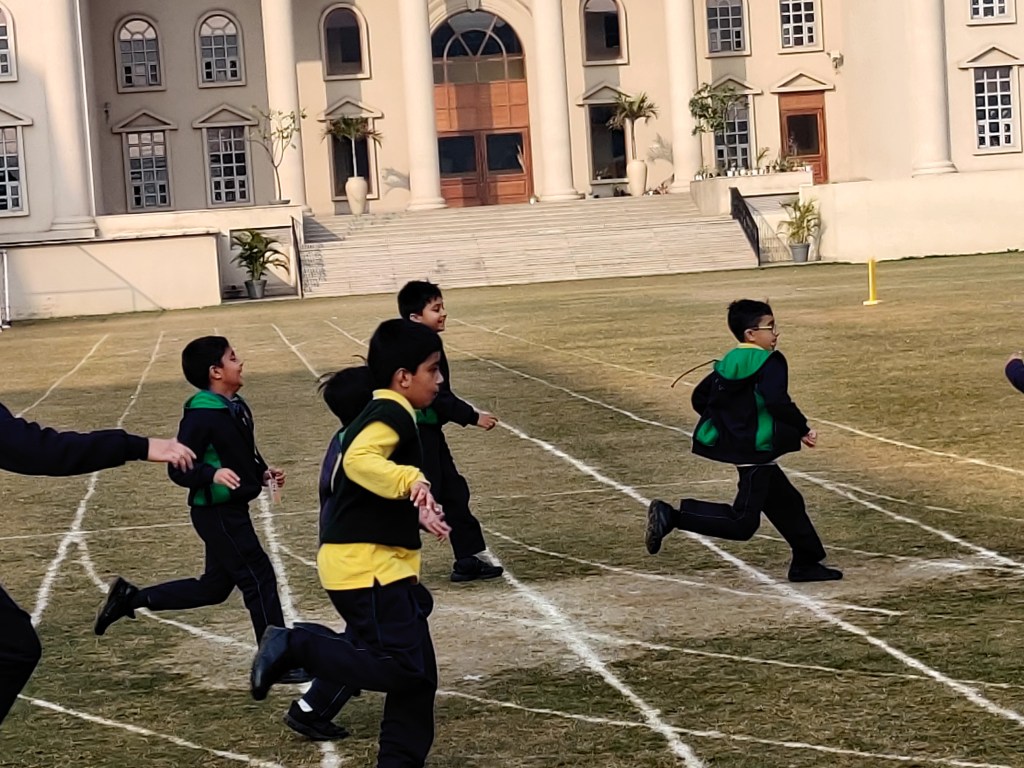
Students developed their basic motor skills with the help of different lead-up activities and recreational games, which included jumping, running and hopping. Students have begun to learn new skills in athletics and march past.
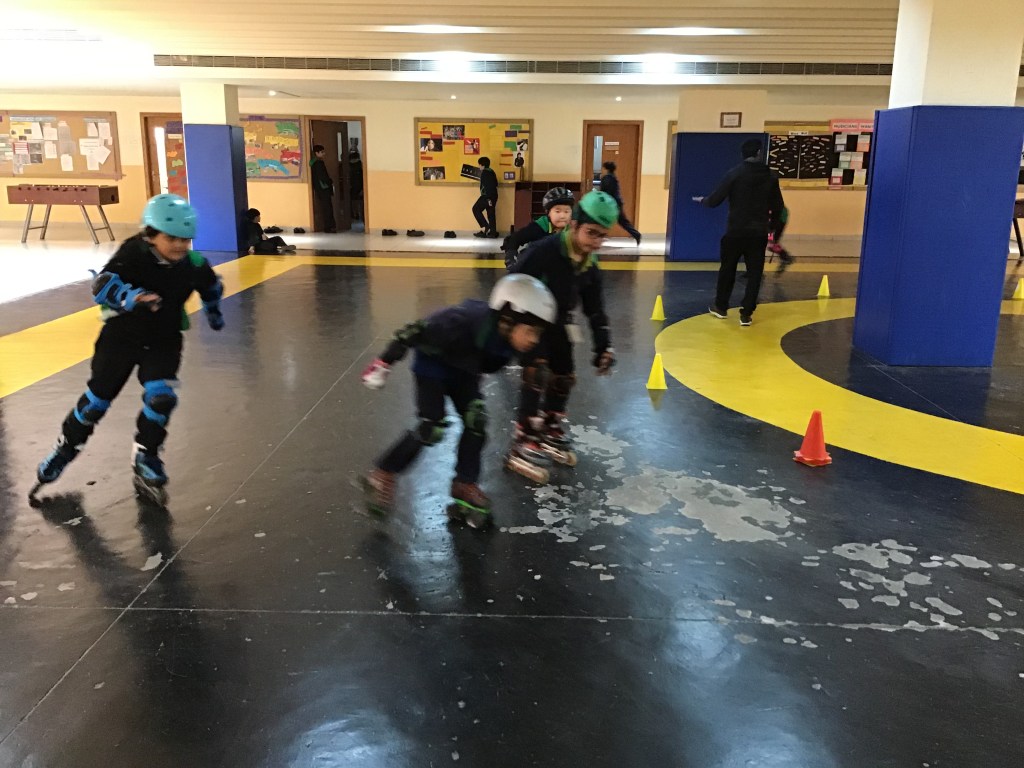
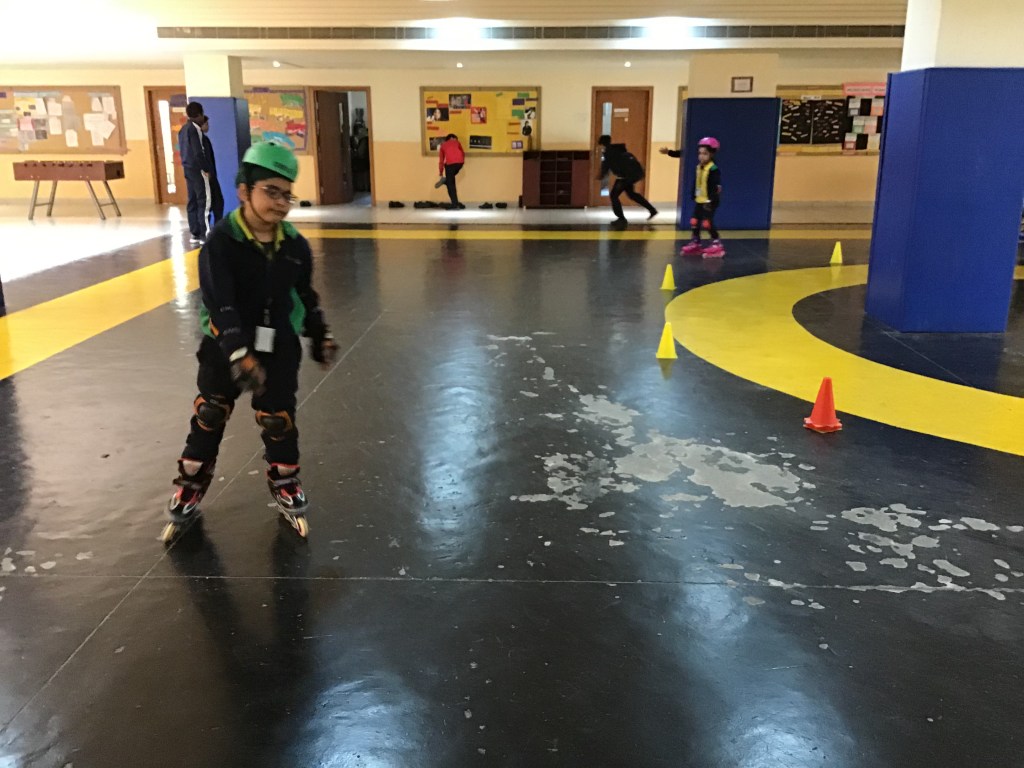
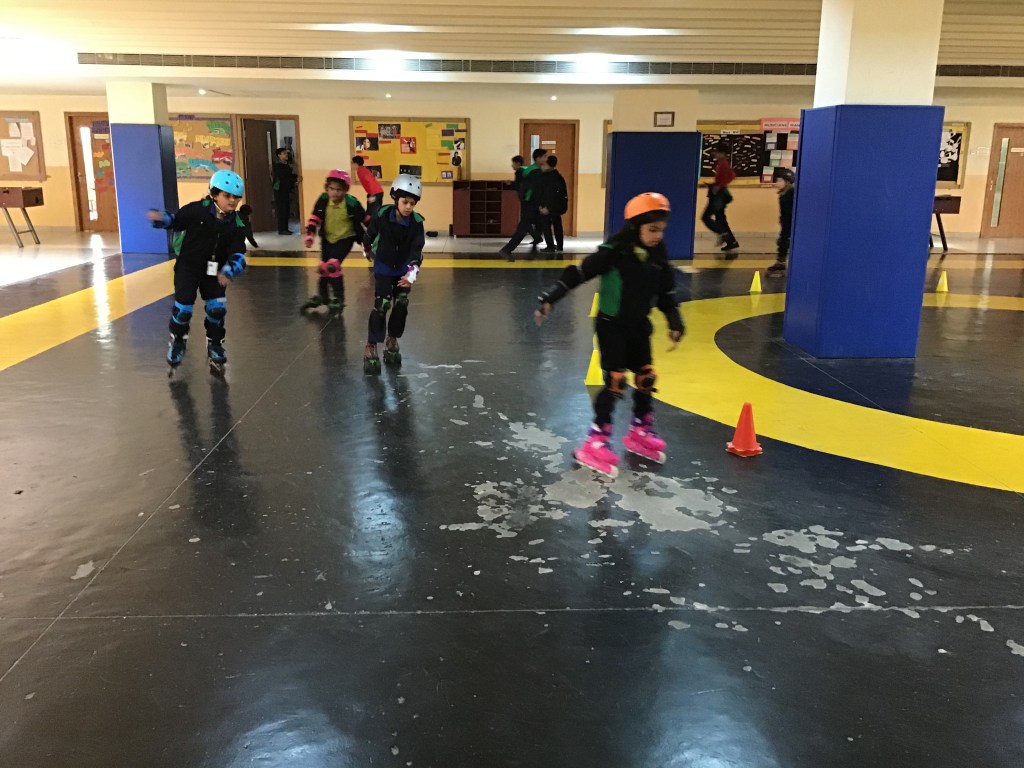
Skating lessons were focused on walking, balancing, and speeding on skates.
Library
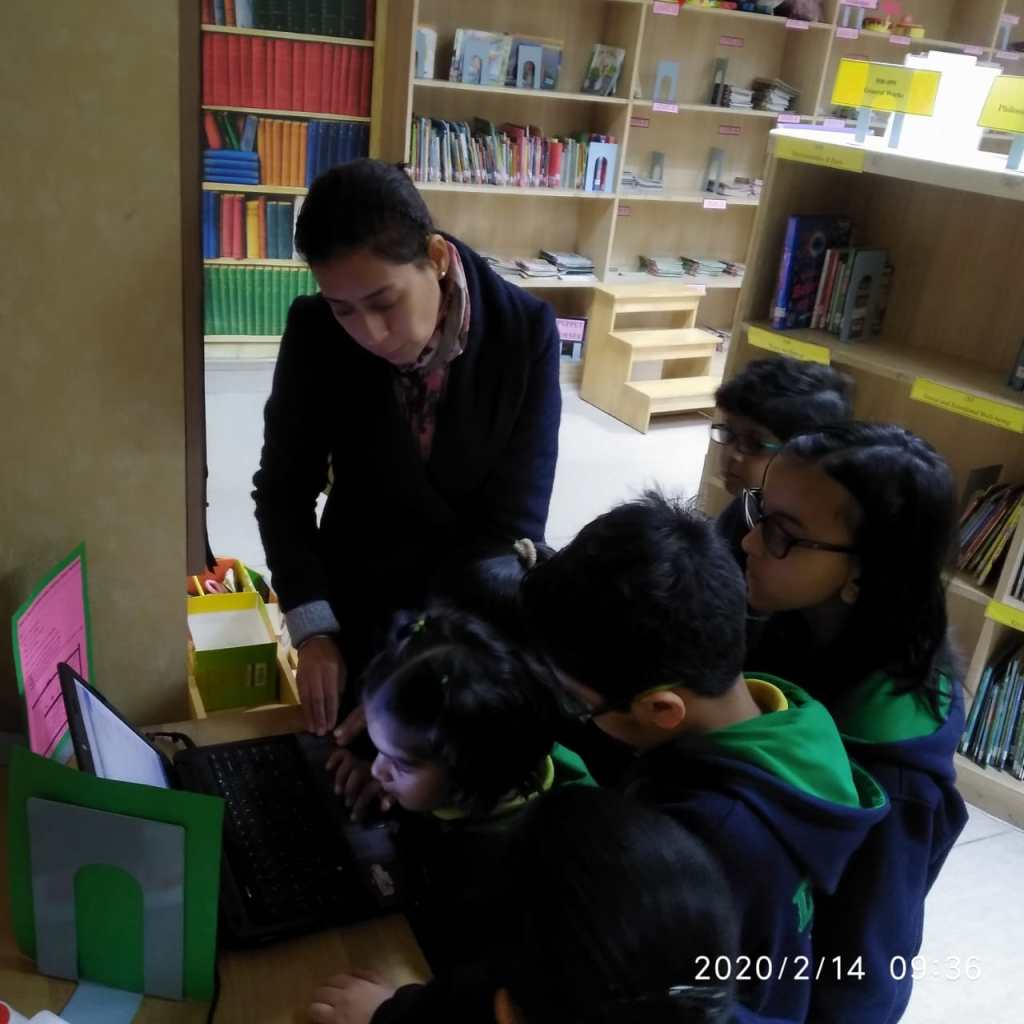
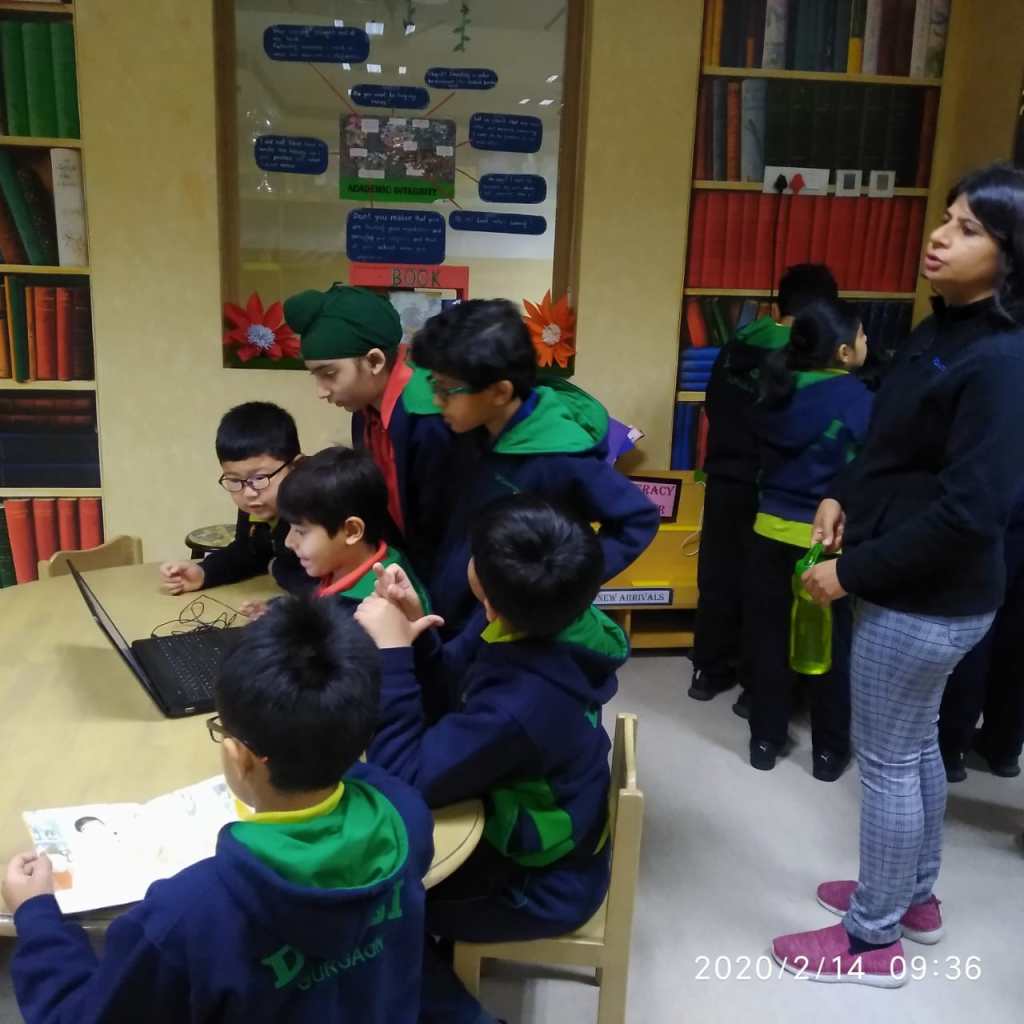
Students were given a demonstration on how to use library catalog for searching books using library software ‘Destiny’. They searched books with keywords, title and authors’ name.
After searching books online, students could successfully locate the same book on the shelves too. This activity helped them in searching for library books independently.
Dance
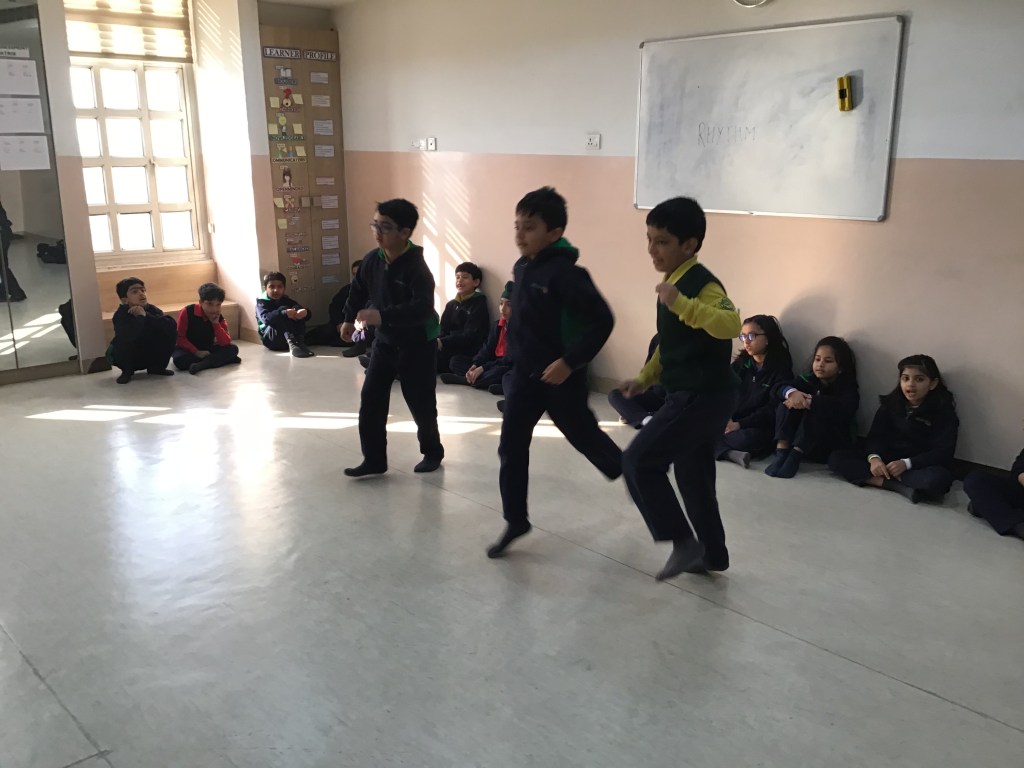
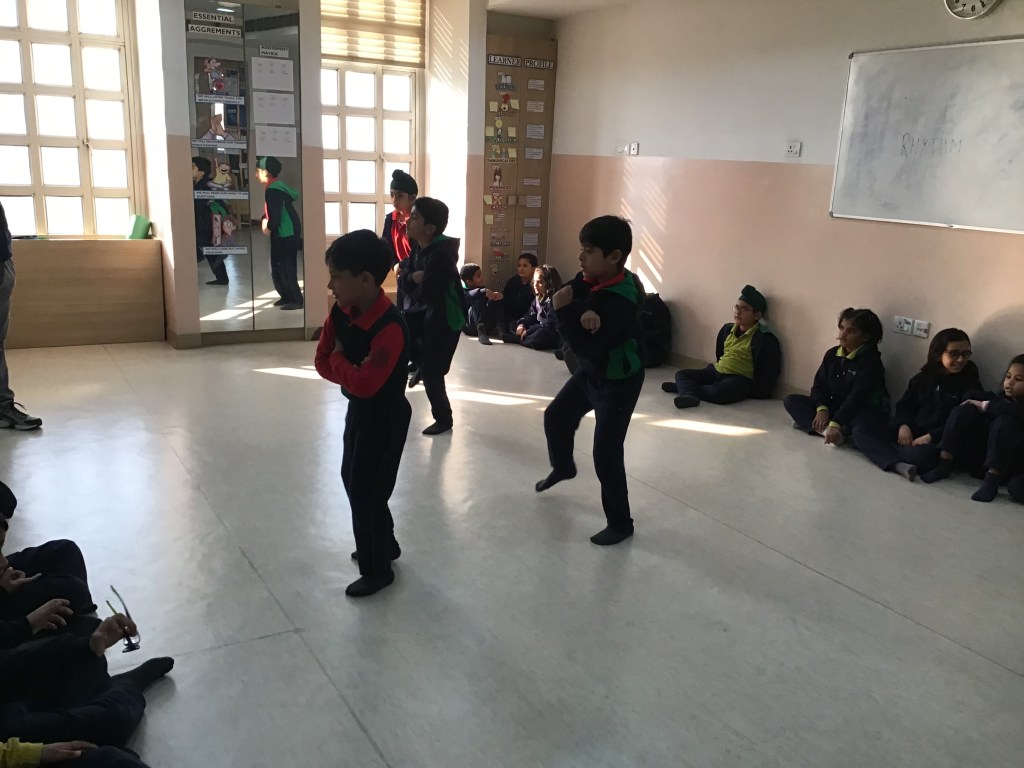
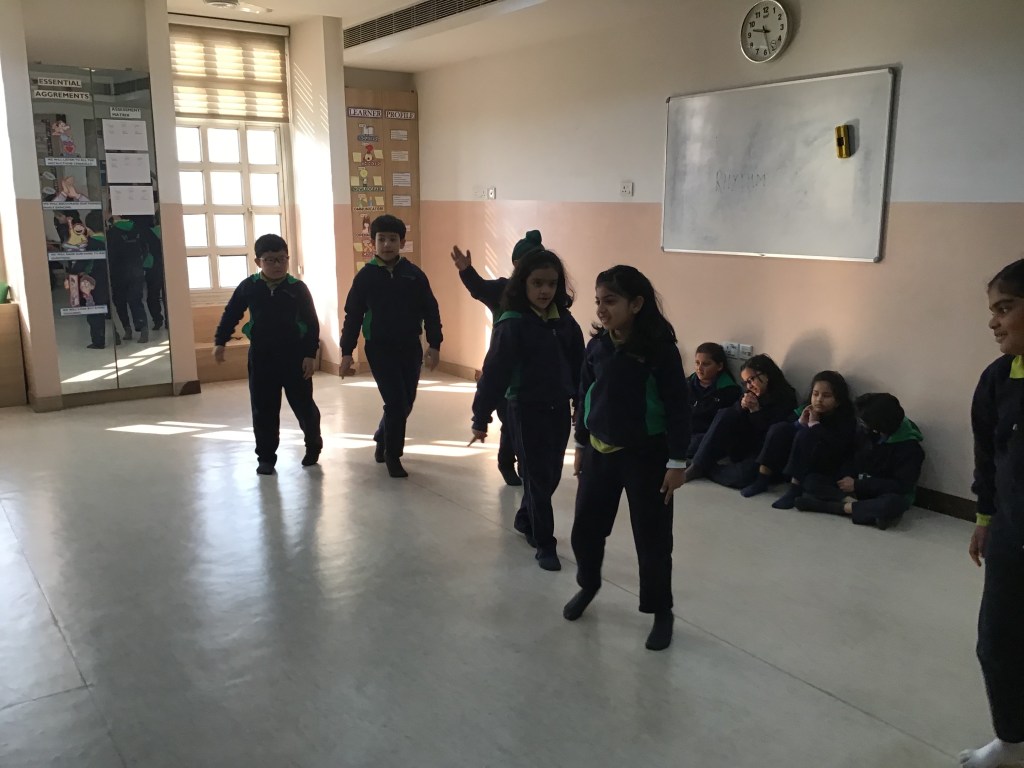
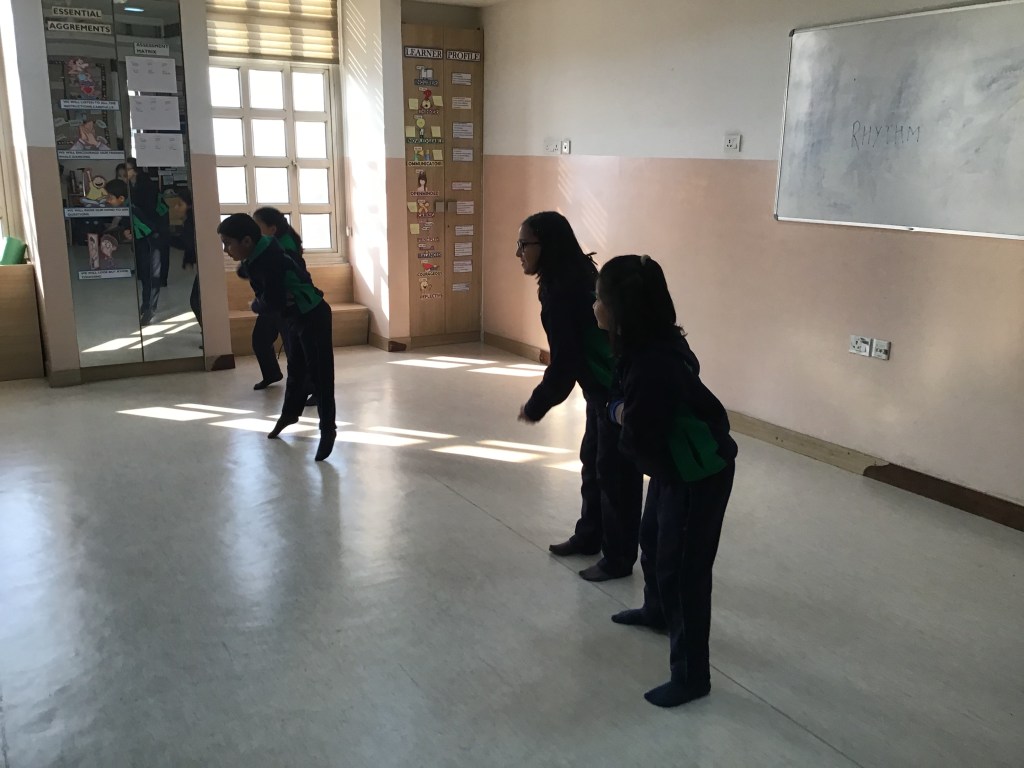
Students focused on giving feedback to their peers after watching their dance routine. They researched and attempted a reflection activity based on the visual presentations viewed in class.
Assembly
The students of Grade 2 D conducted an assembly on message day on February 5, 2020. Students began the assembly by explaining to the audience the meaning of a message and ways in which a message can be communicated. Students were encouraged to write messages on five broad topics – Sustainability, Social Emotional learning, Makerspace, Action and Goals.
Faculty members were invited as guest speakers to motivate students to take suitable steps and pen down their resolve as messages.

 Grade 2C