Unit of Inquiry
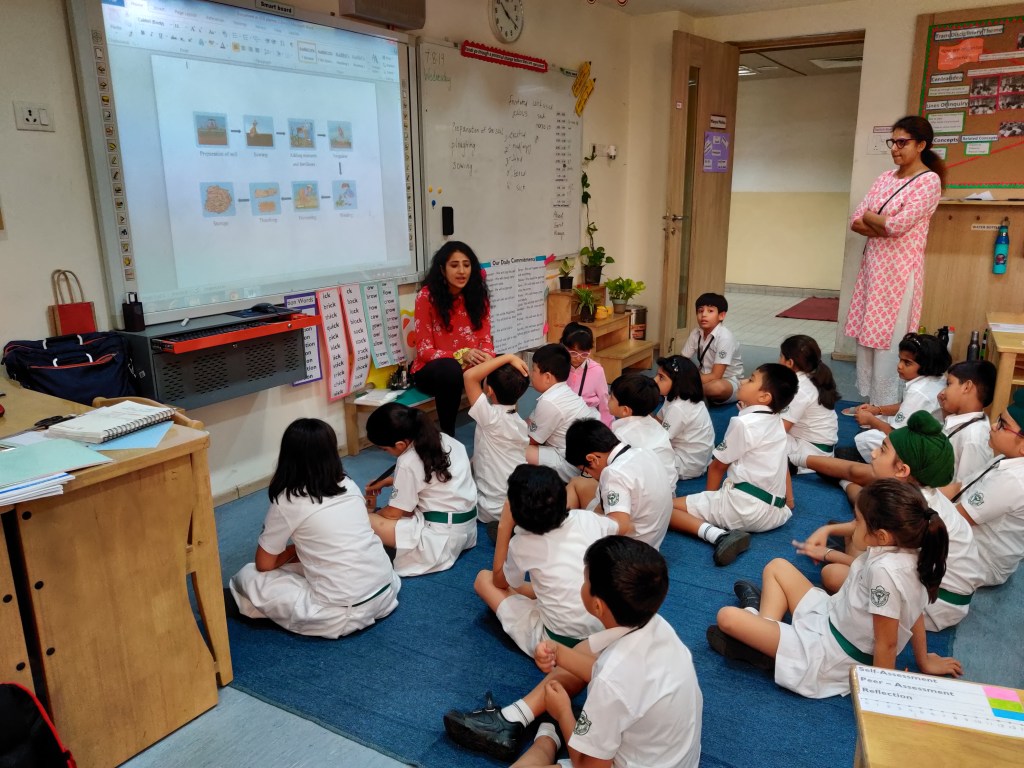
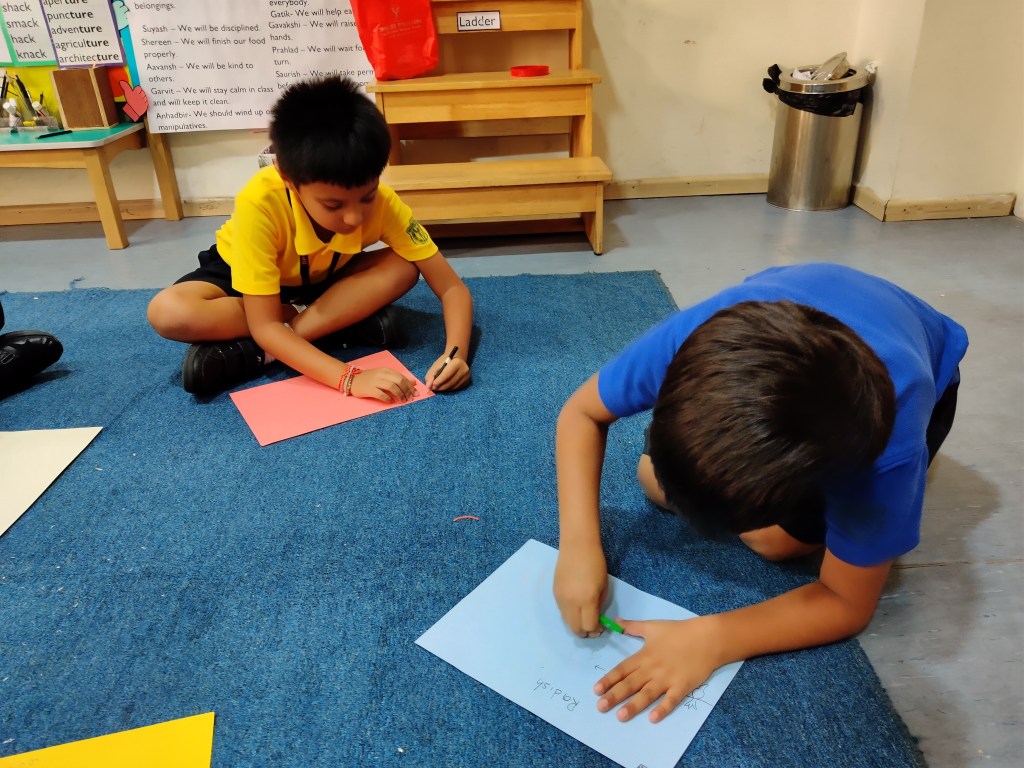
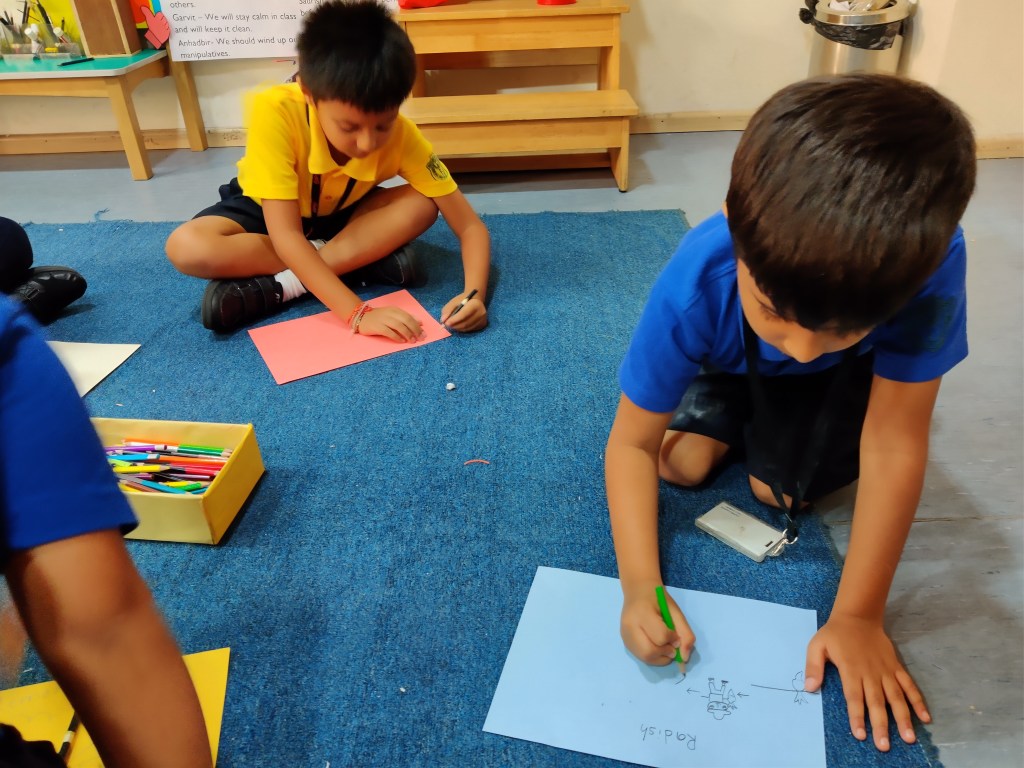
This fortnight, students further inquired into steps involved in the manufacturing of food. They discussed the various stages that define the journey for food to reach from the farmer to the consumer.After the discussion, students performed role play and illustrated their understanding in their journals. Through a sorting activity, students further comprehended the concept of processed and unprocessed food and recorded the same in their journals.
Taking their learning further, students watched a video and depicted the journey of chocolate from farm to table. They mapped the cocoa bean producing countries on the world map.
Formative Assessment (1st line of inquiry)
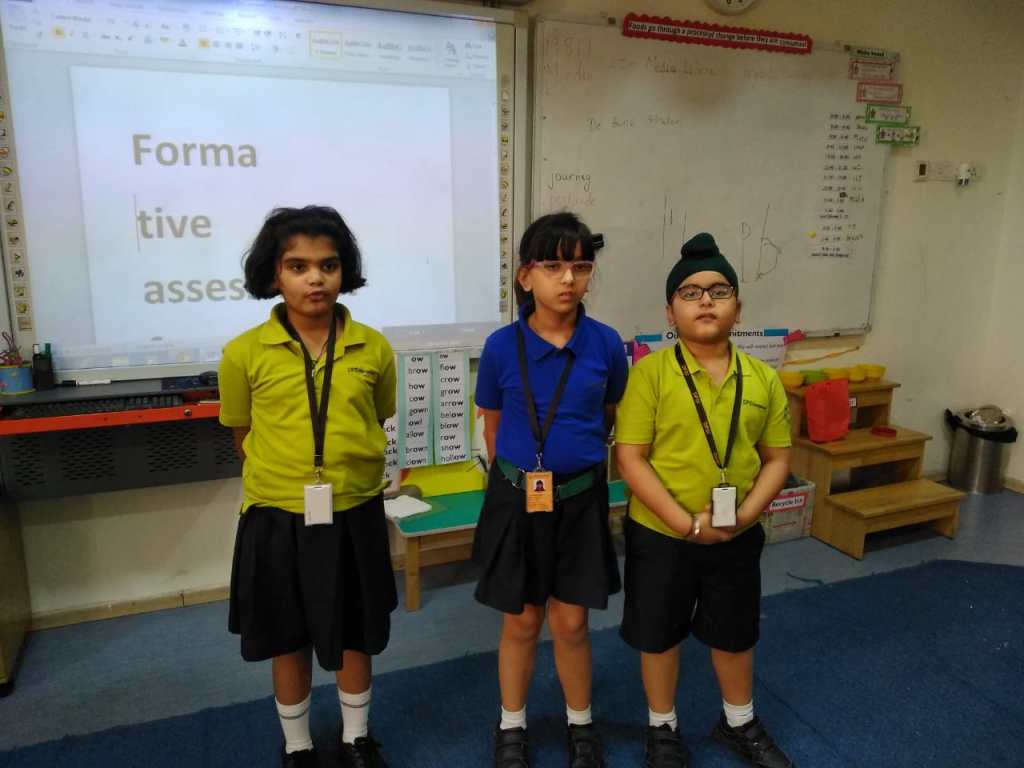
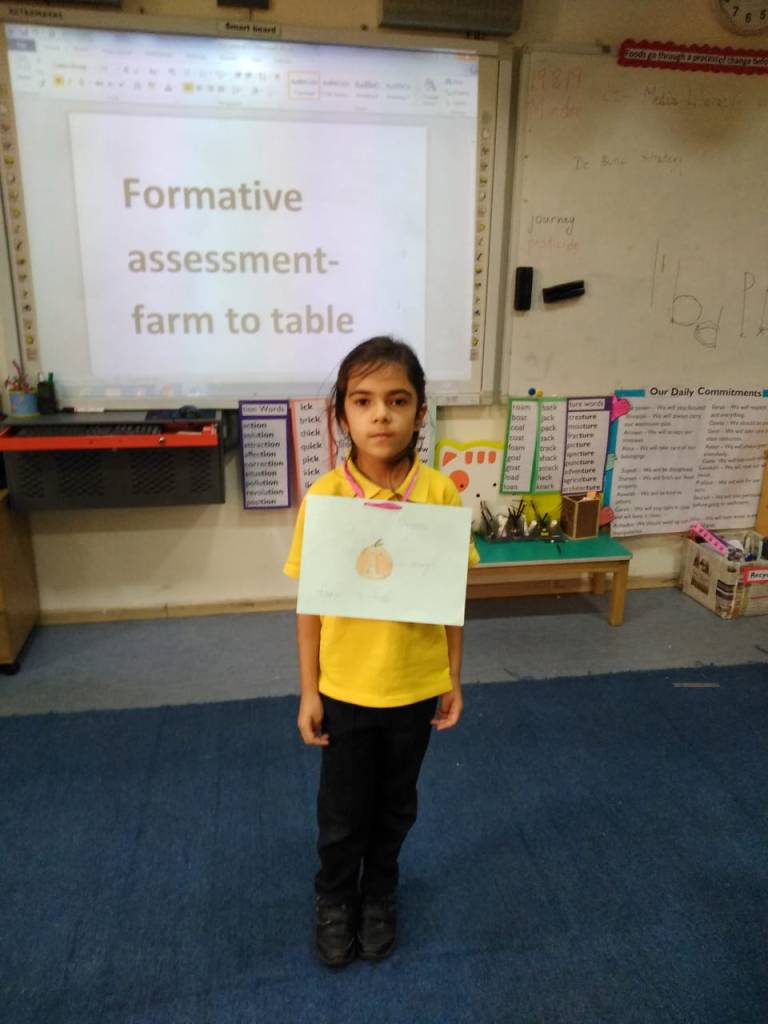
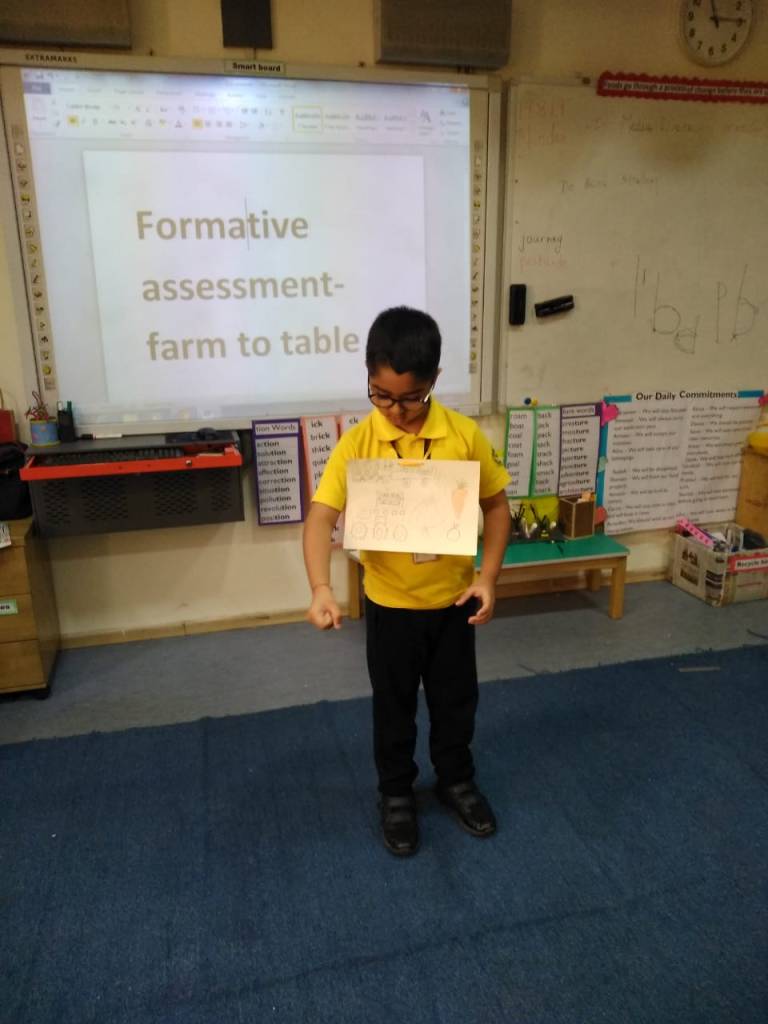
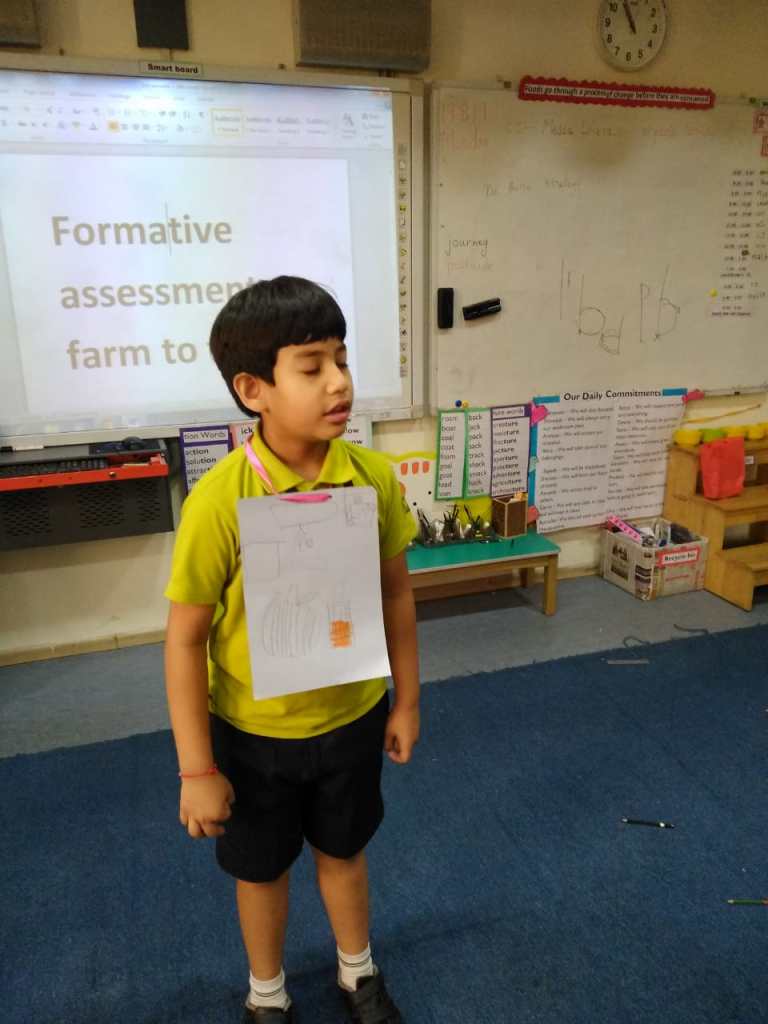
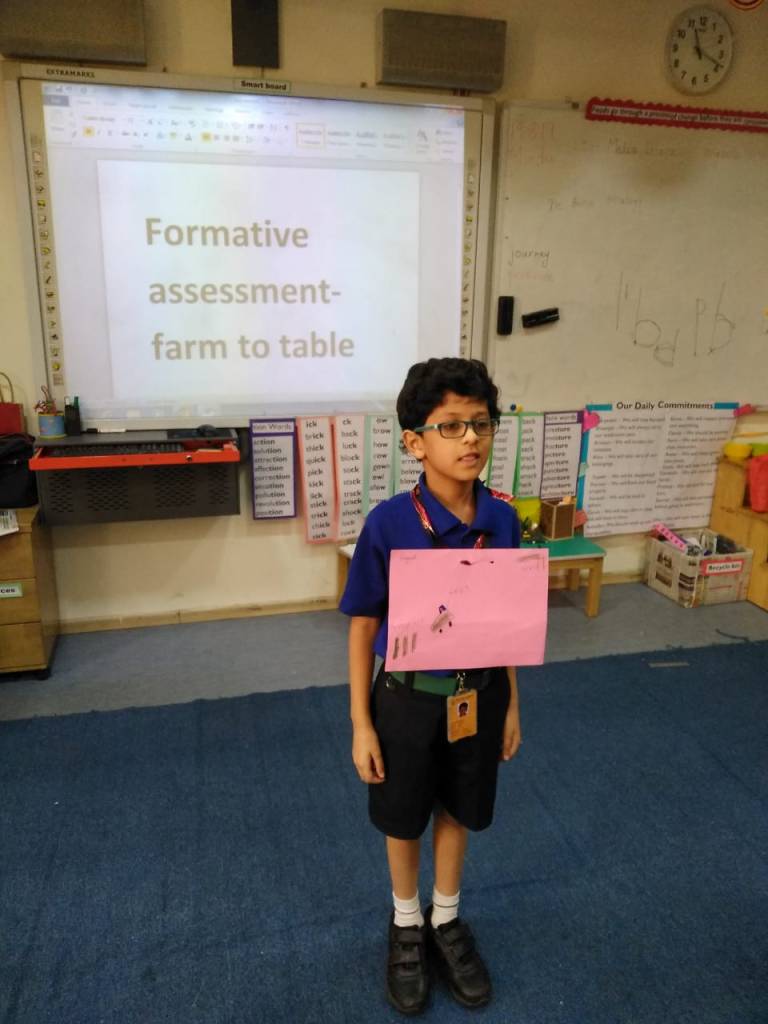
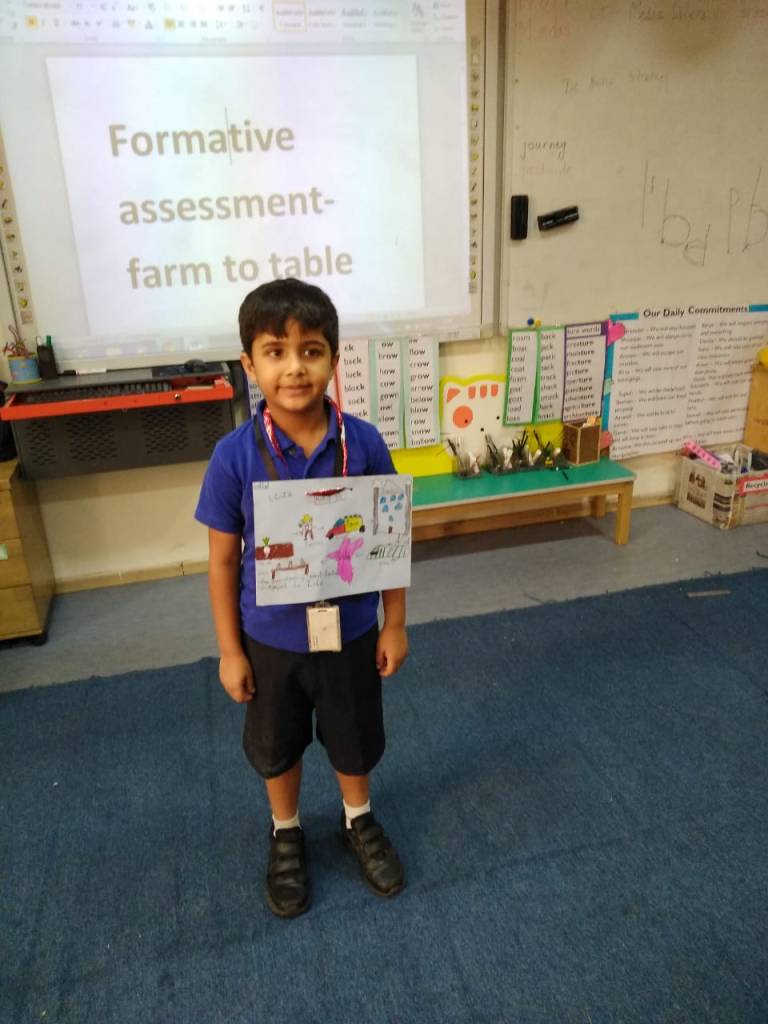
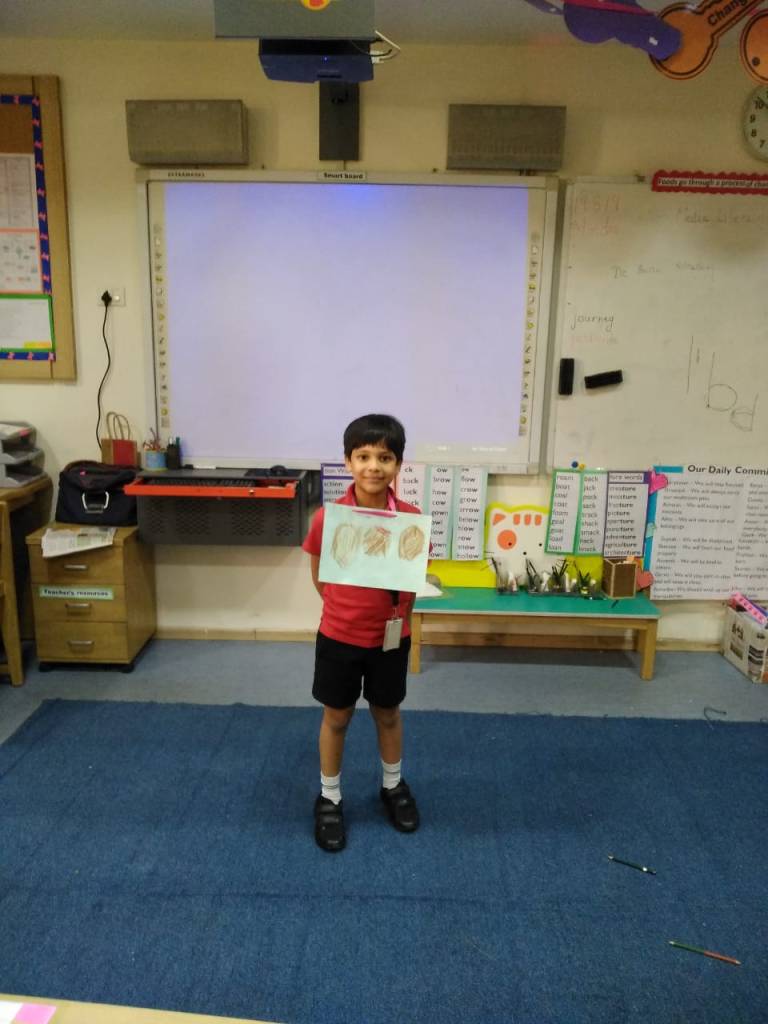
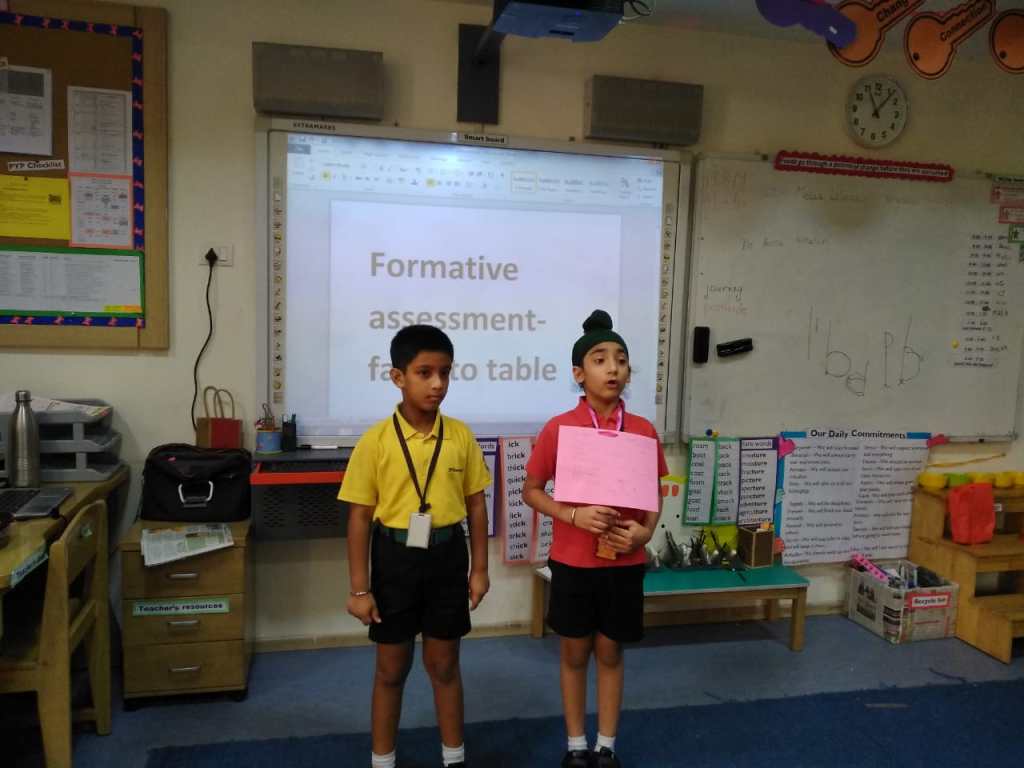
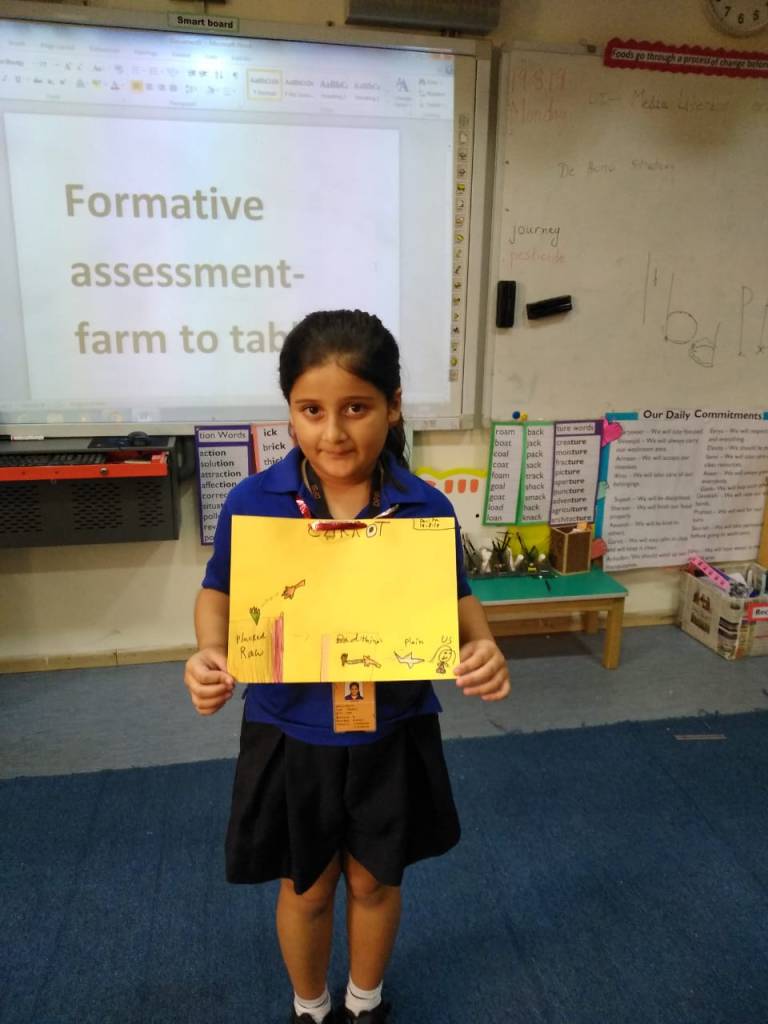
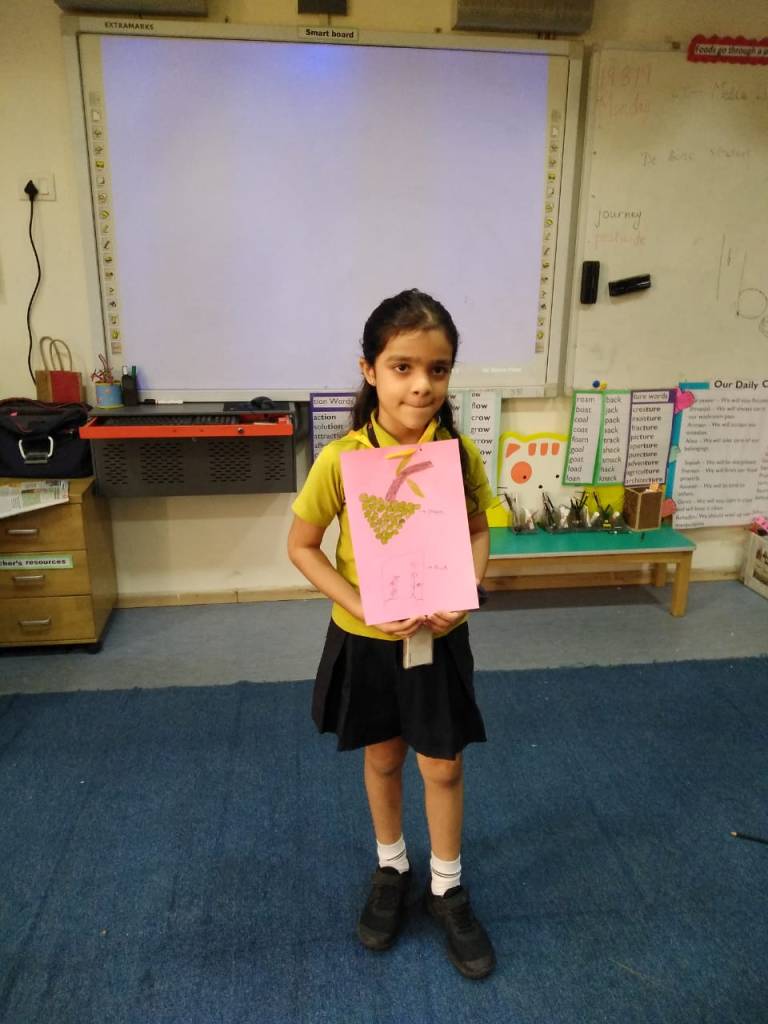
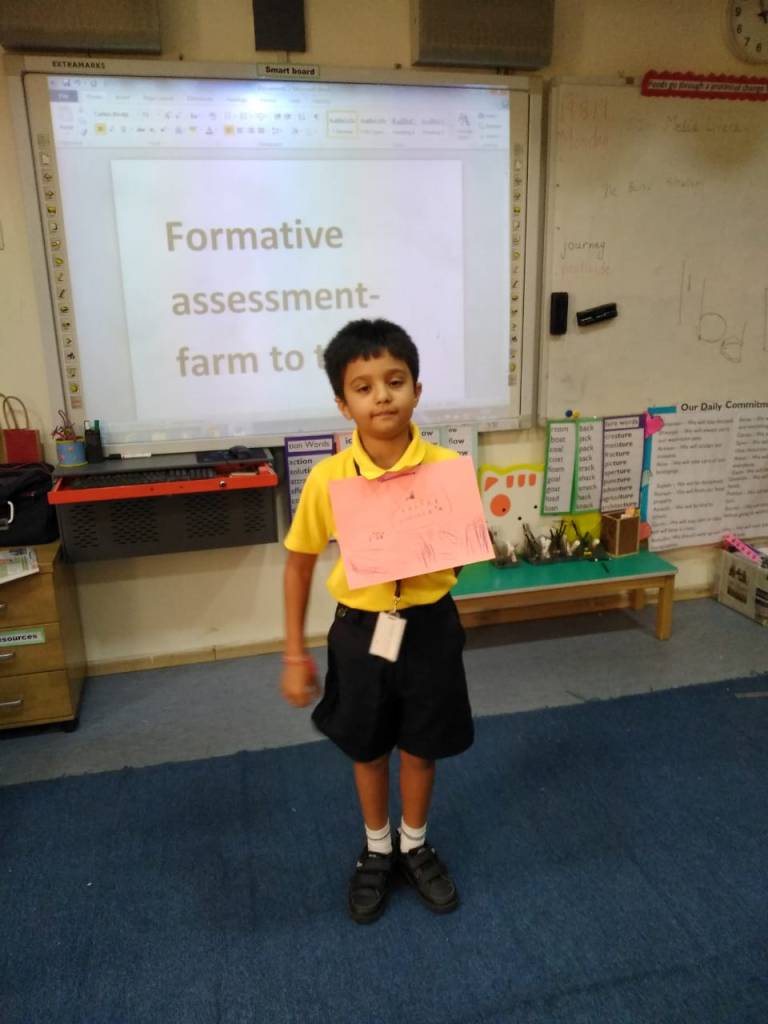
The form tutor read the ‘Autobiography of a tomato – from the farm to the table’ as a monologue. Further, students chose a food of their liking and spoke about its journey from the farm to the table and represented it through illustrations.
Students enhanced their listening and speaking skills by exchanging information on the pros and cons of processed and unprocessed foods. They summarized their learning by recording the same in their journals.
English
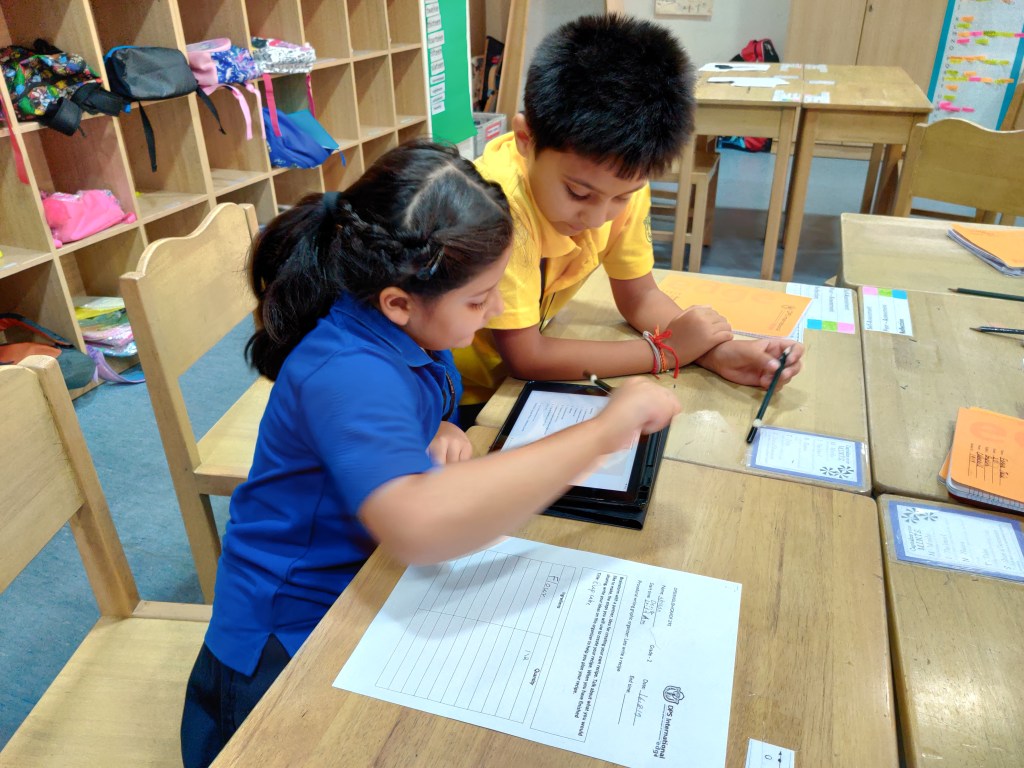
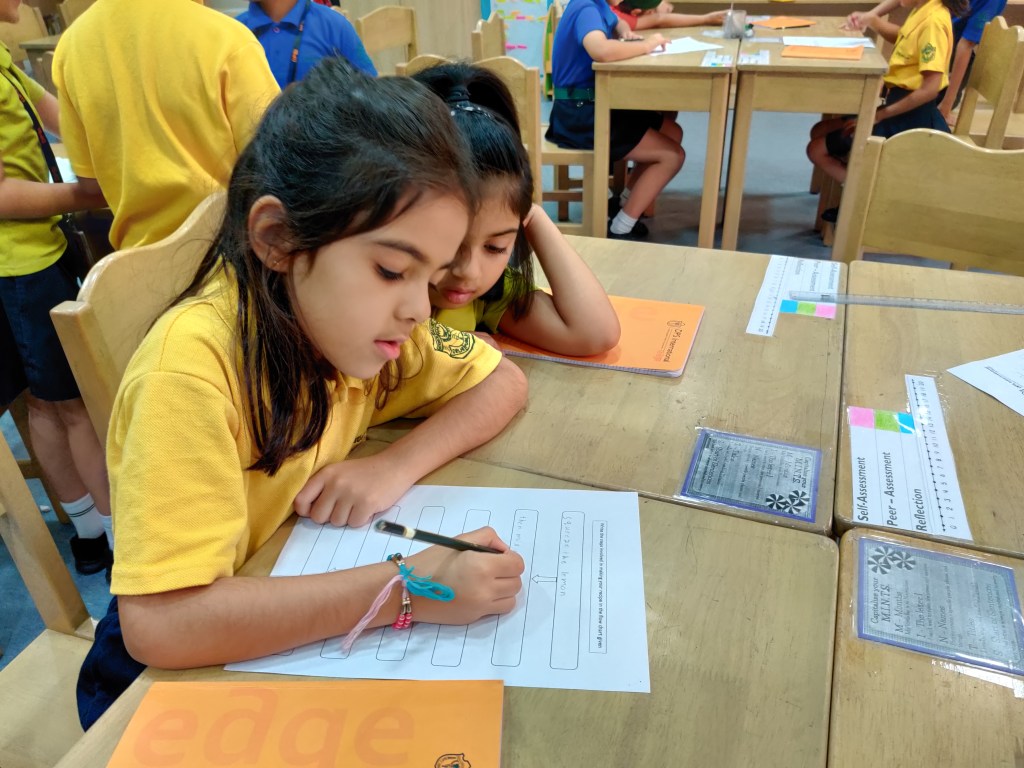
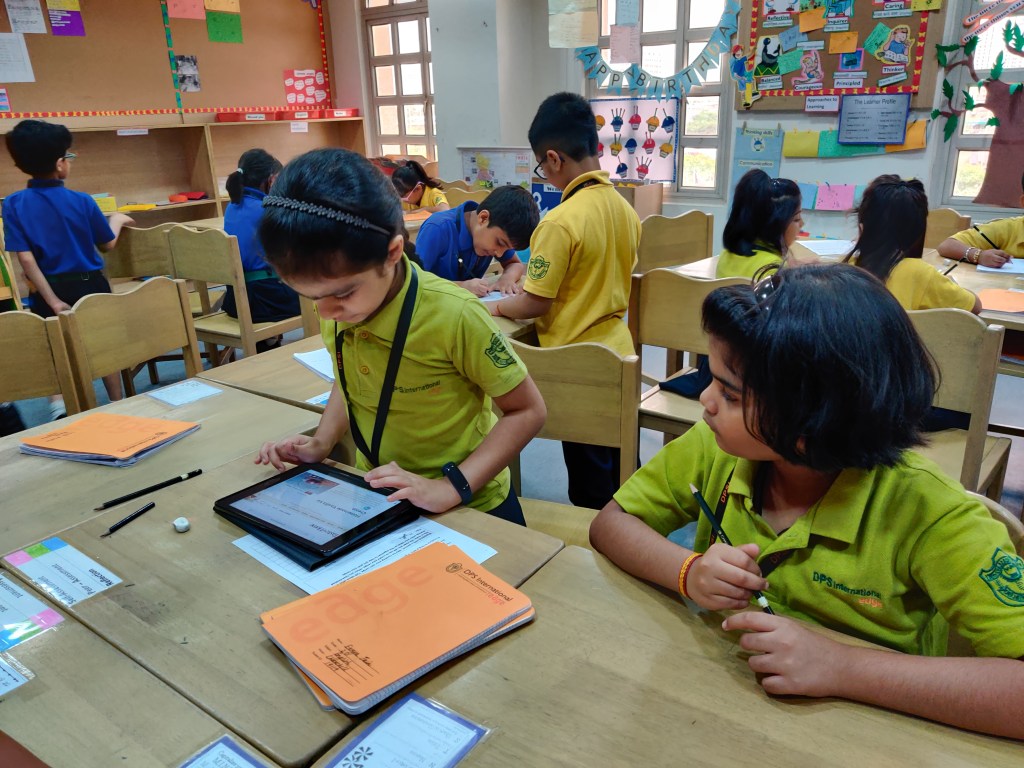
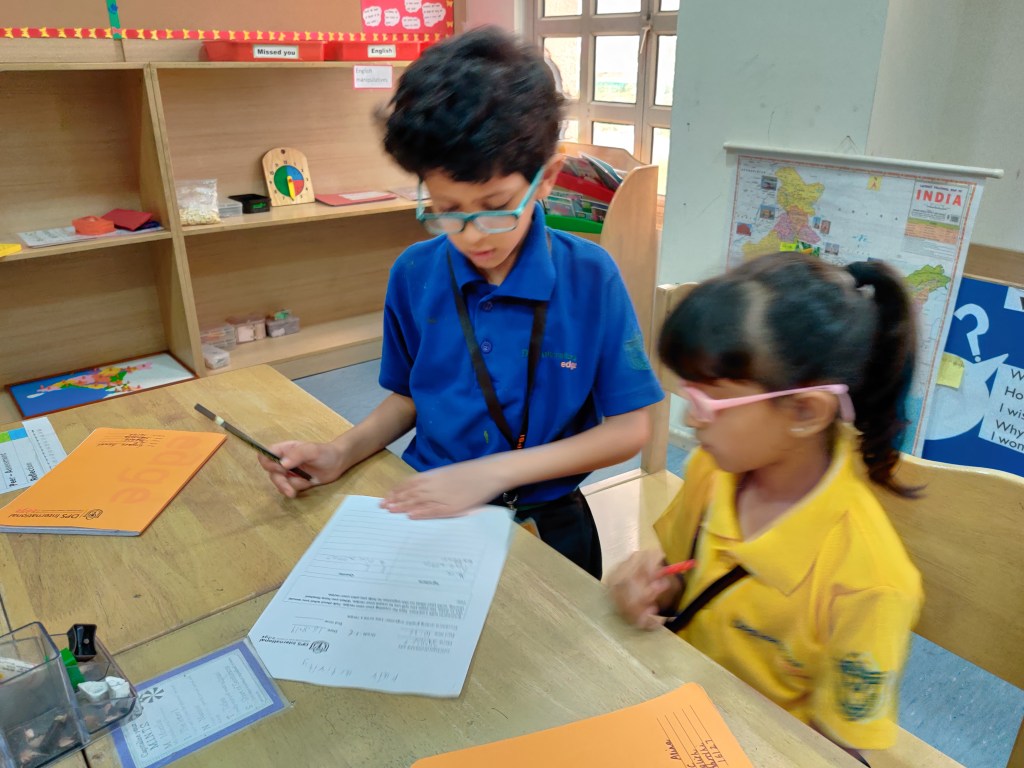
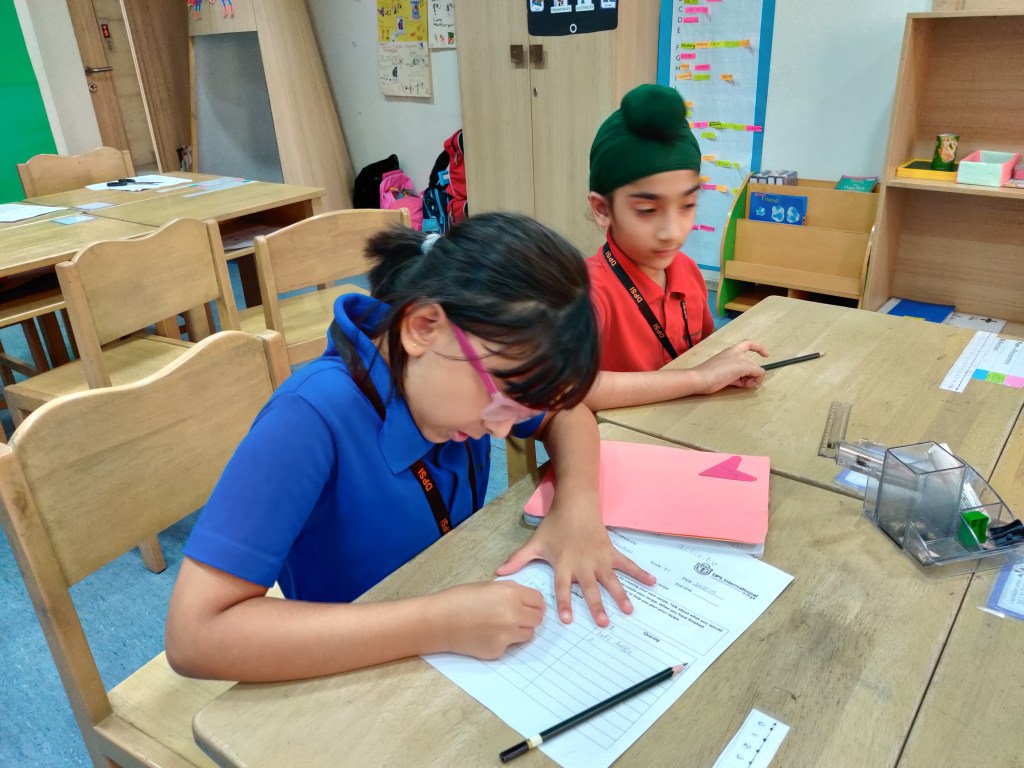
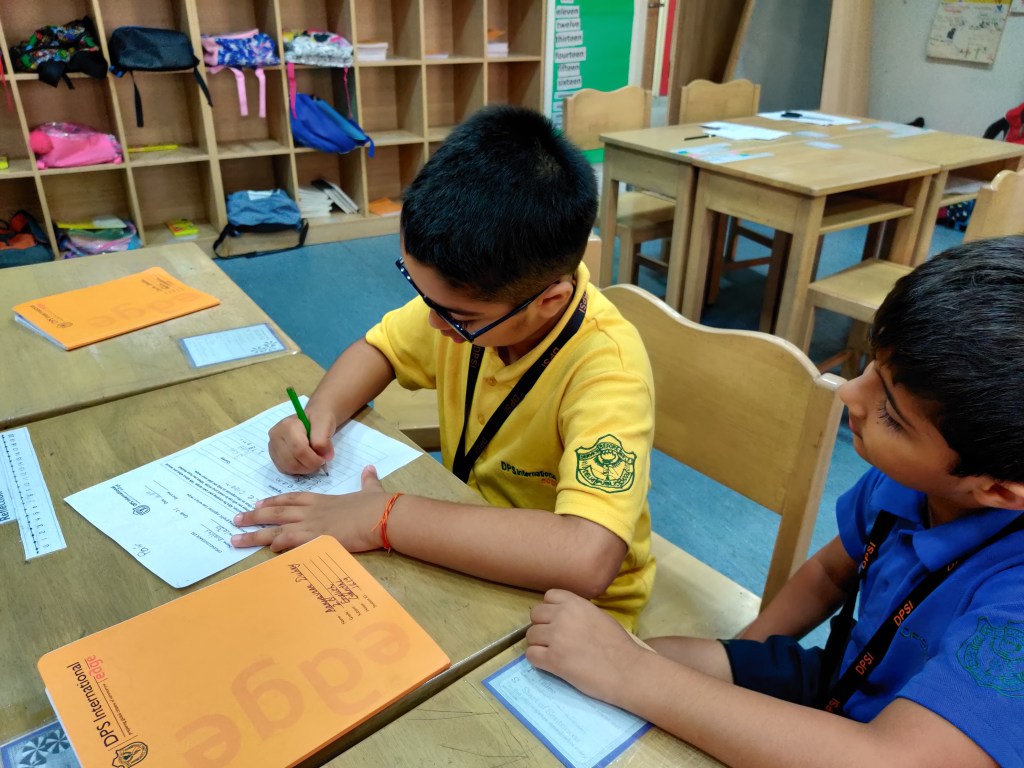
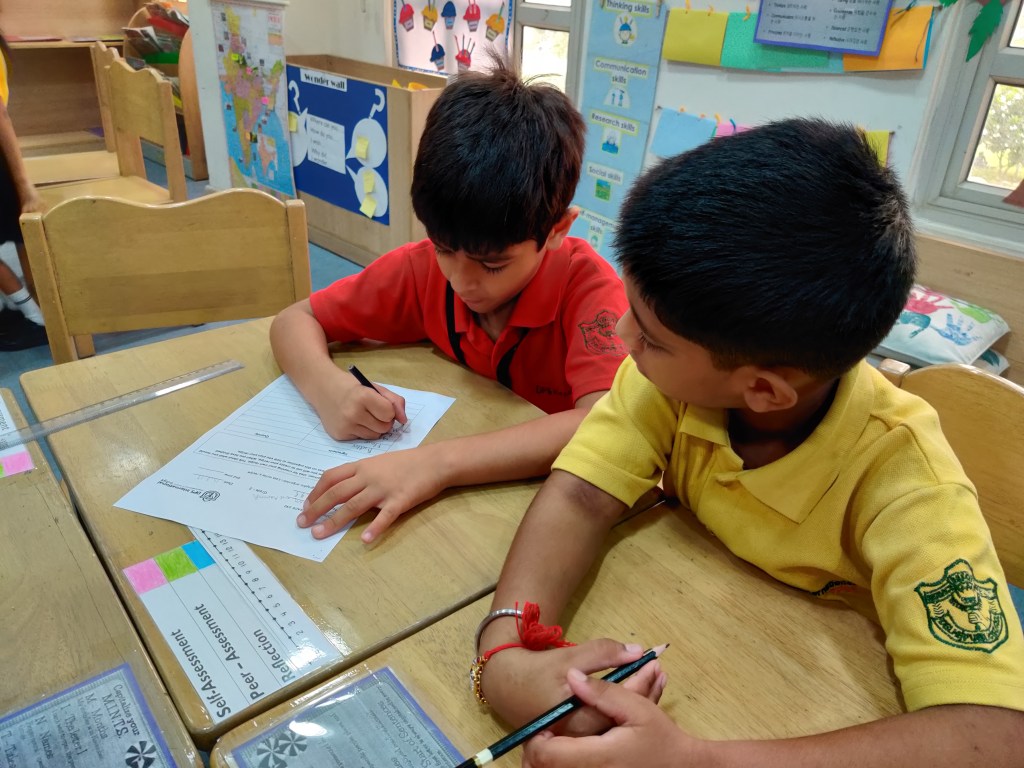
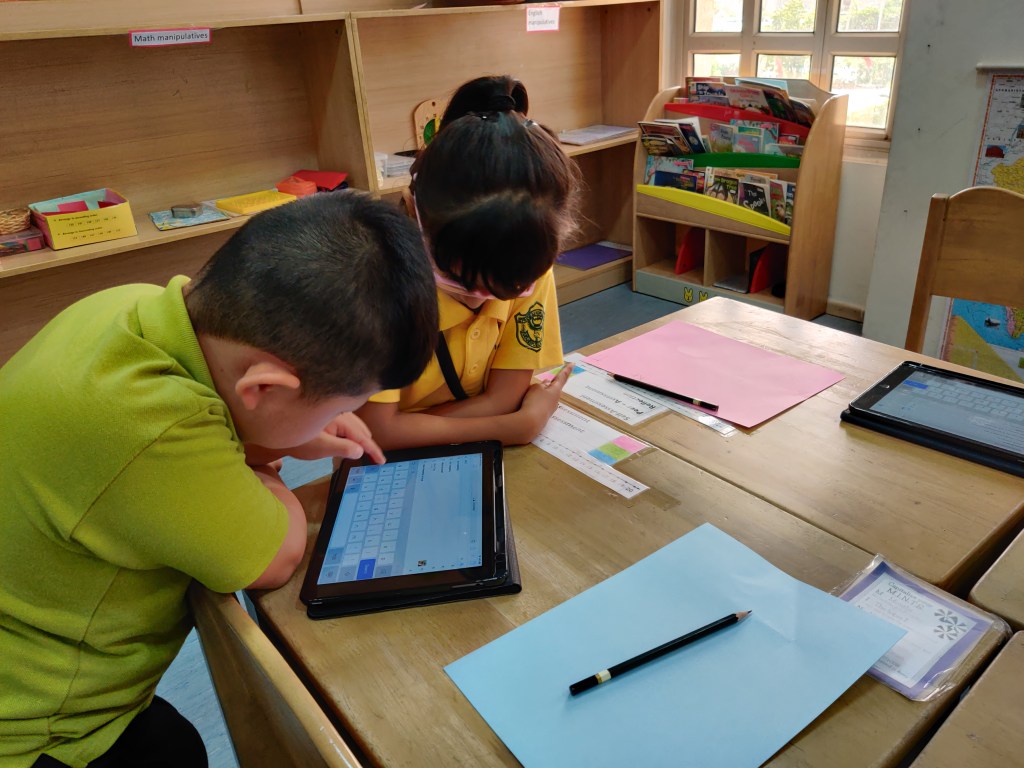
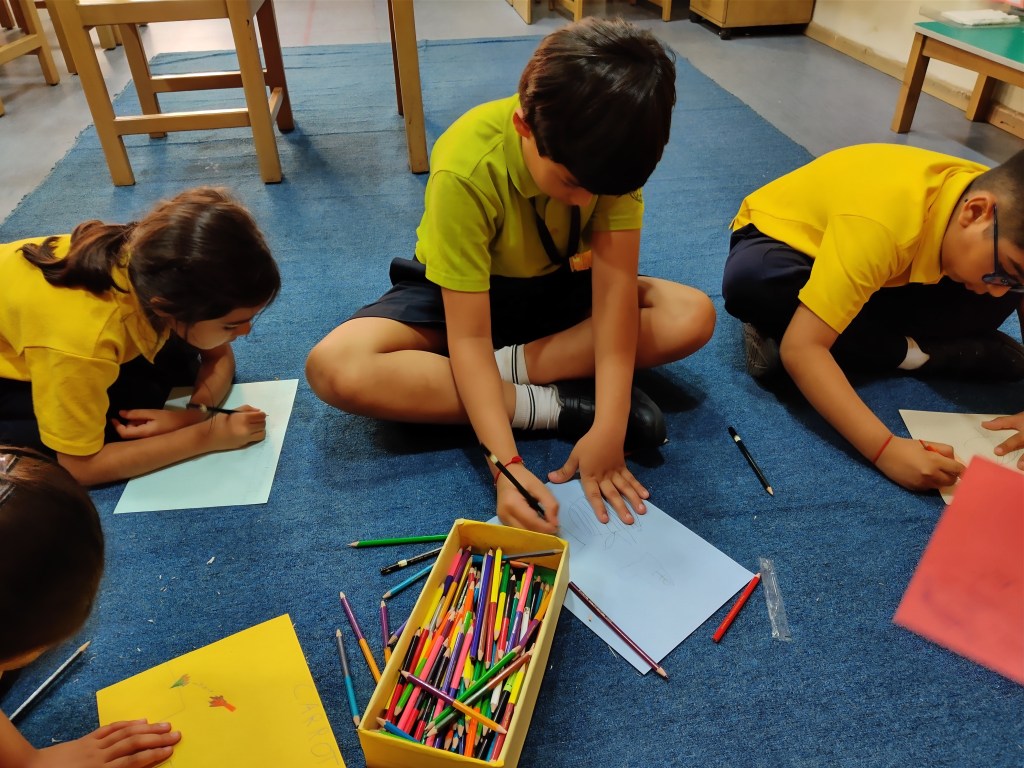
During their English lessons, students learned procedural writing by brainstorming about a recipe. They recorded the steps of the recipe based on the success criteria given in the graphic organizer.
Media Literacy-Unit Integration
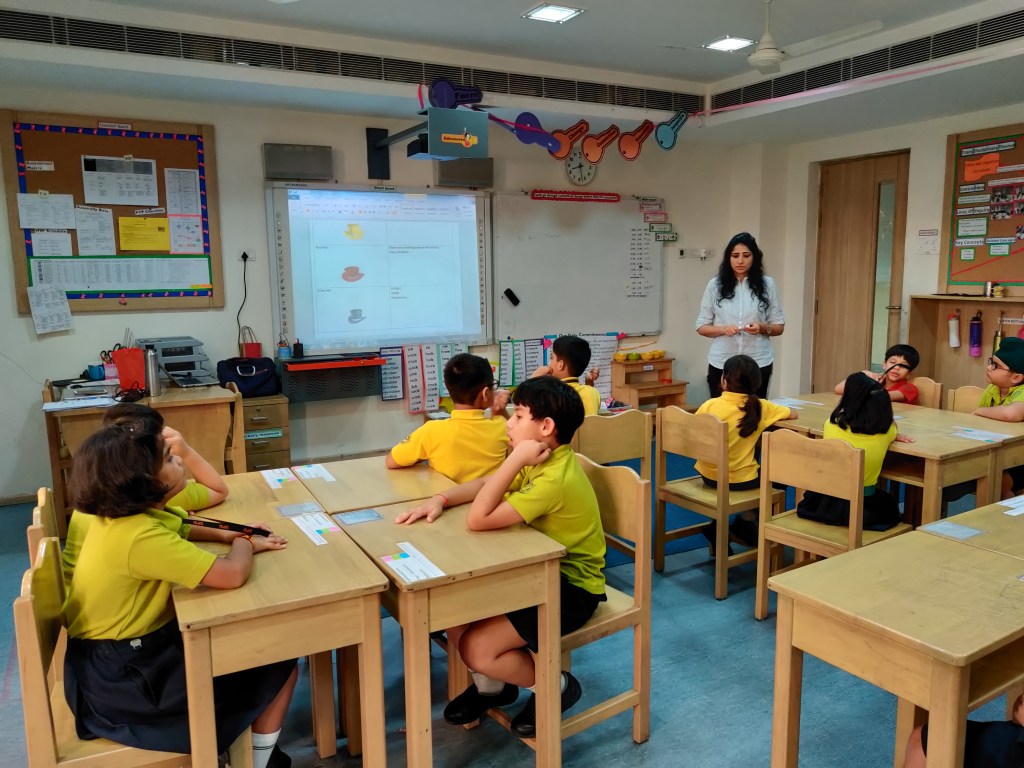
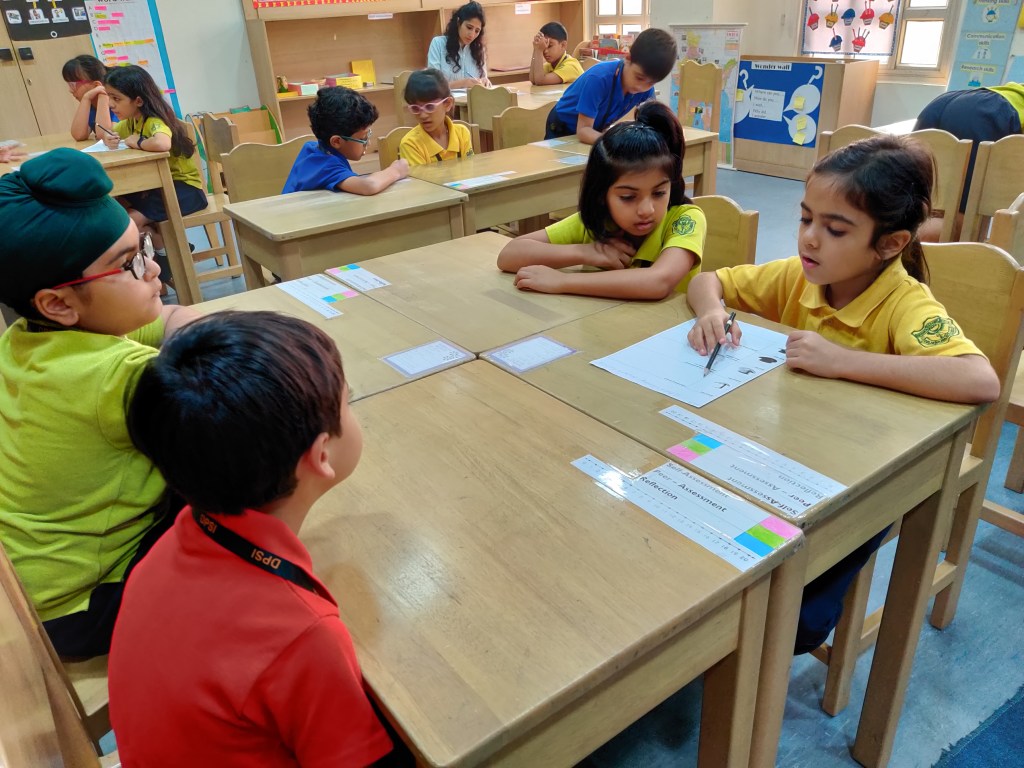
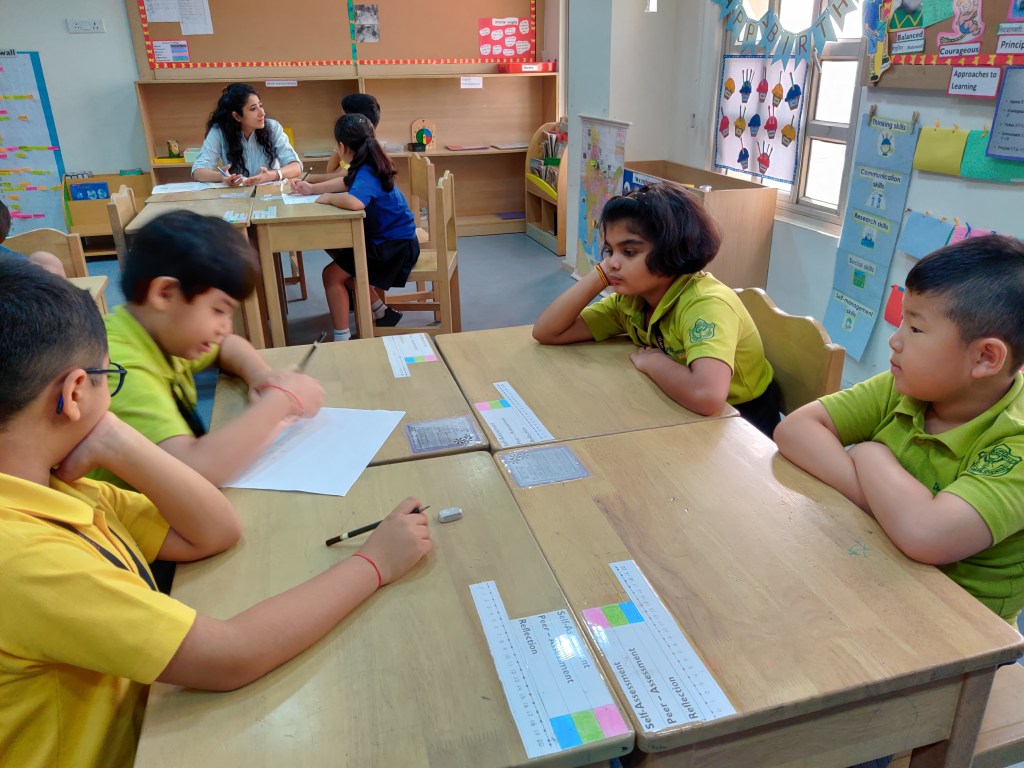
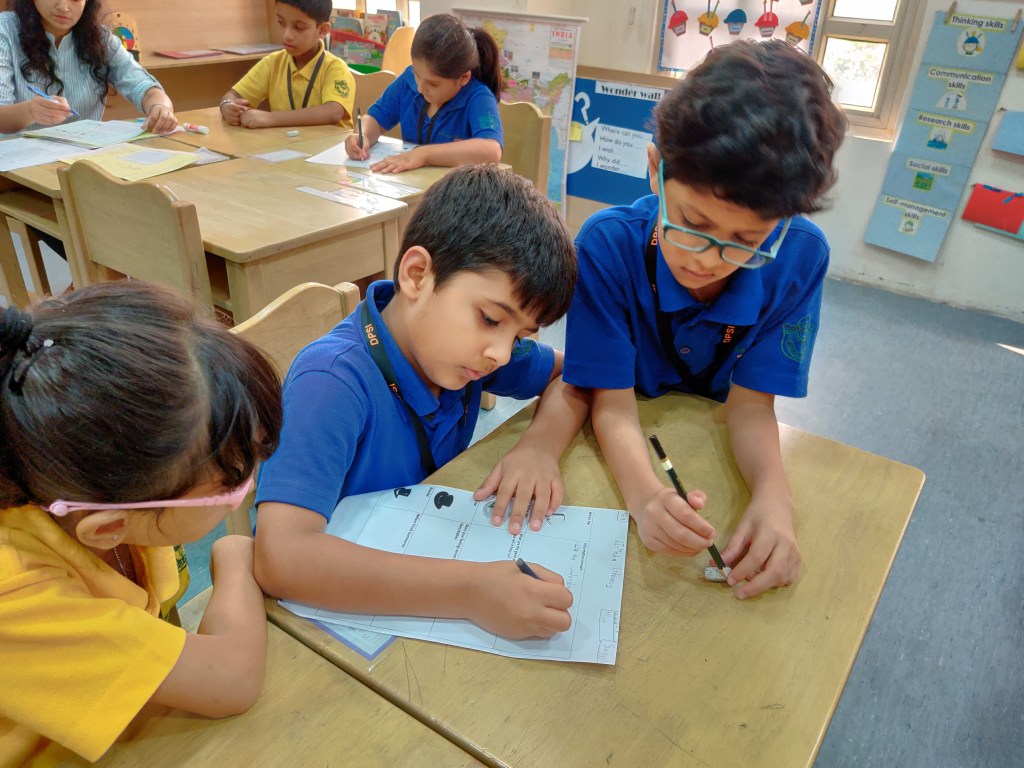
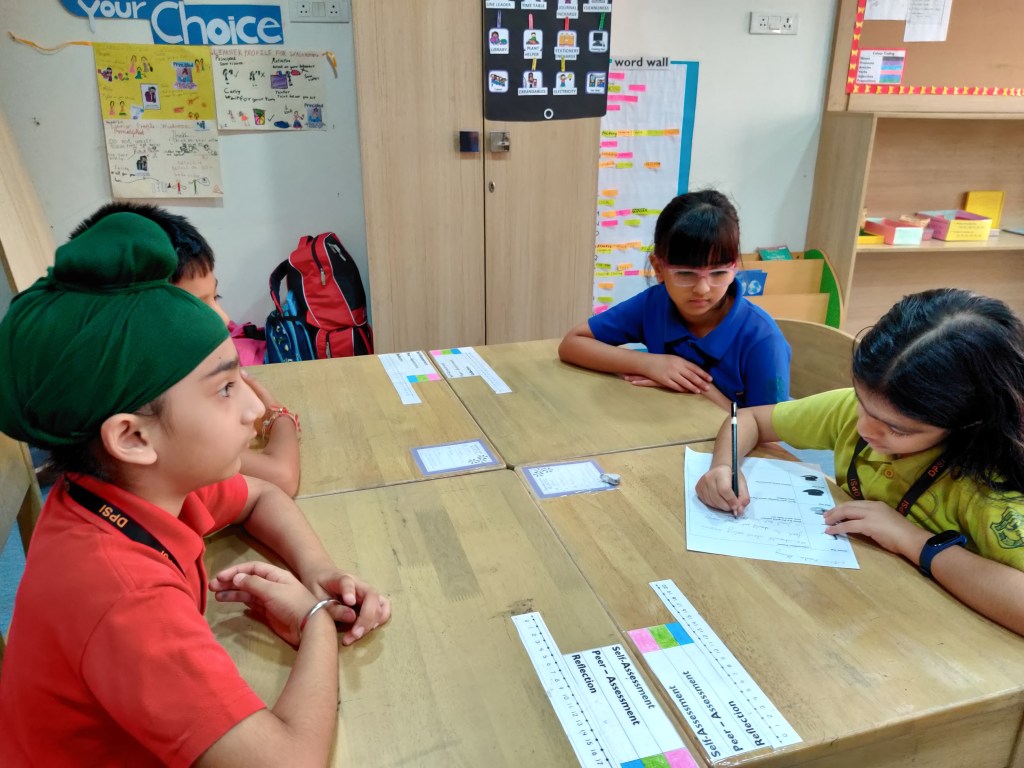
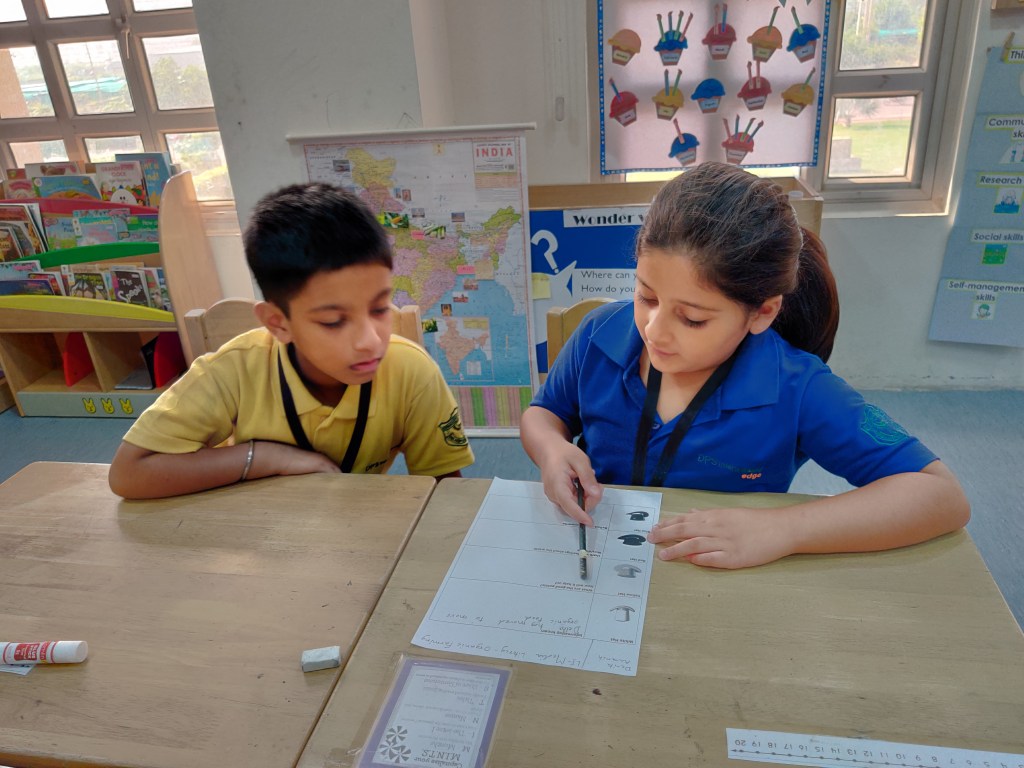
Students saw a news clipping showing the ever increasing demand for organic food. After watching the video, they discussed about organic farming and its increasing popularity. In groups, students analyzed this using De Bono’s thinking hats.
https://www.dw.com/en/organic-food-catching-on-in-india/av-40828802
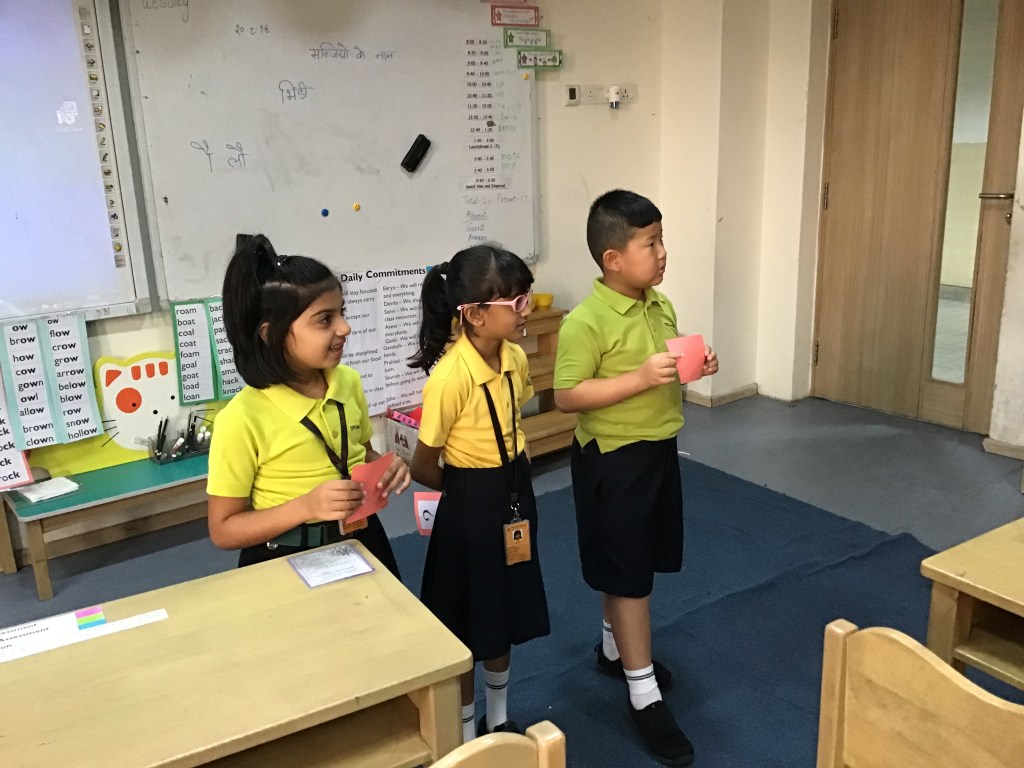
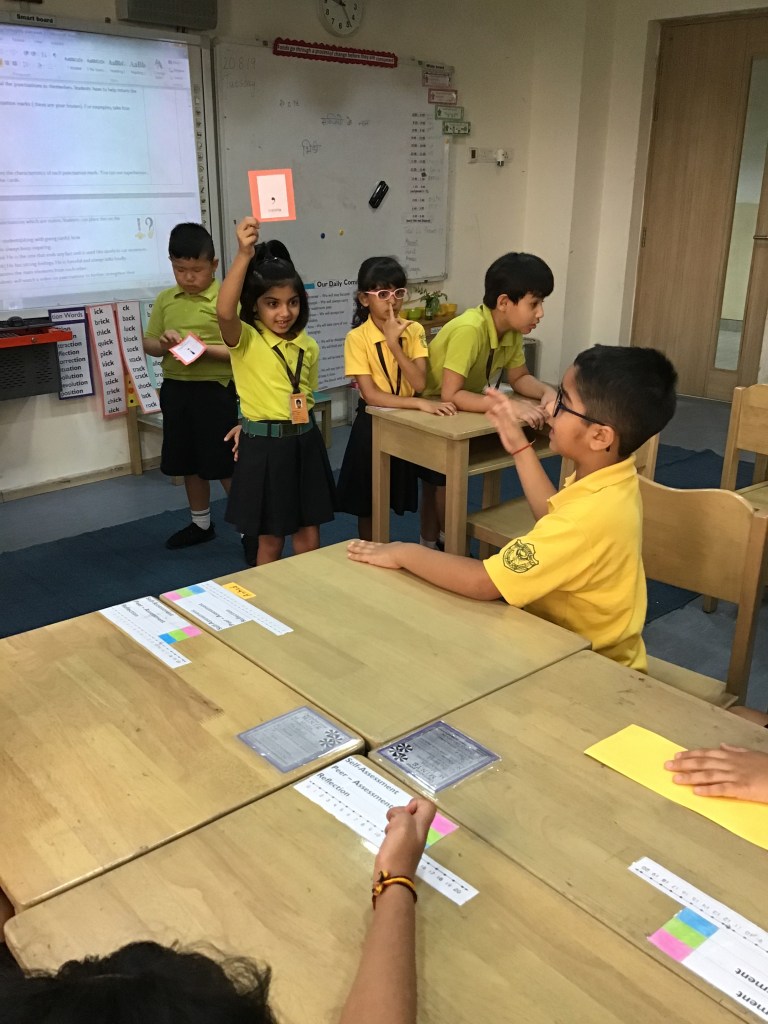
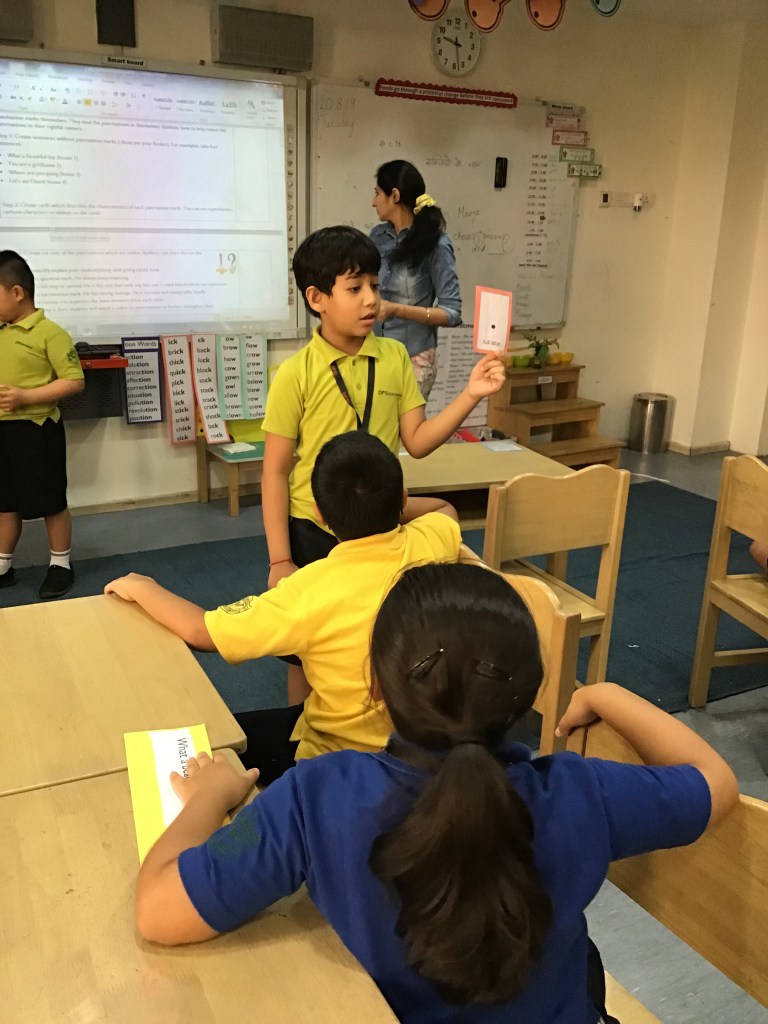
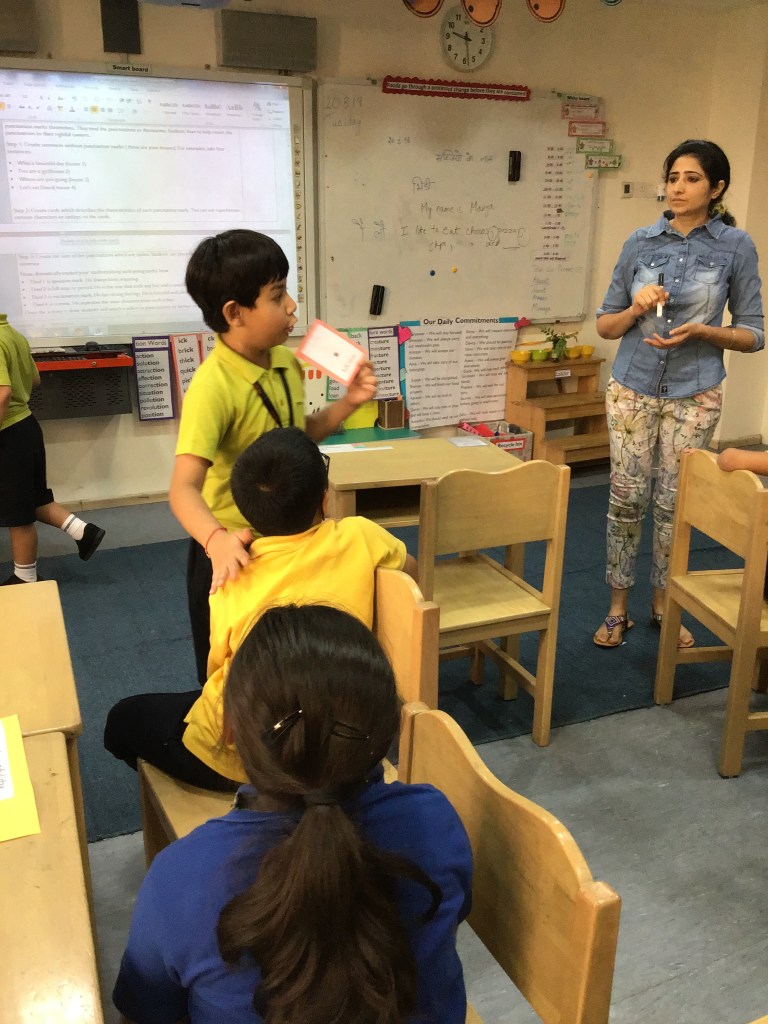
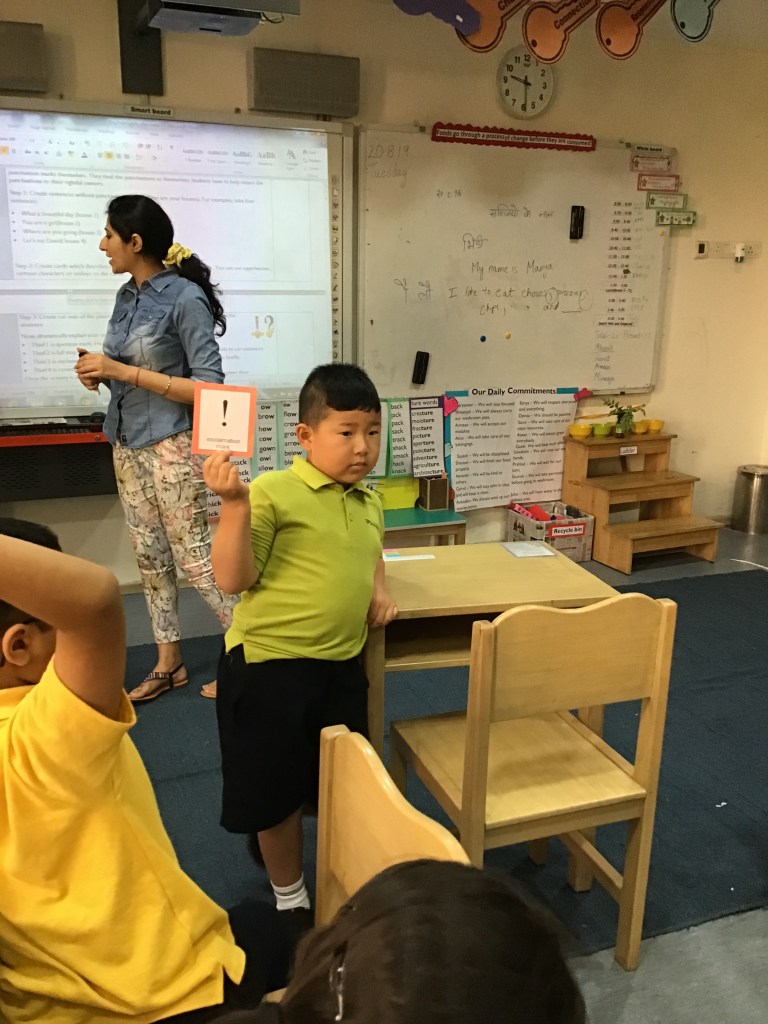
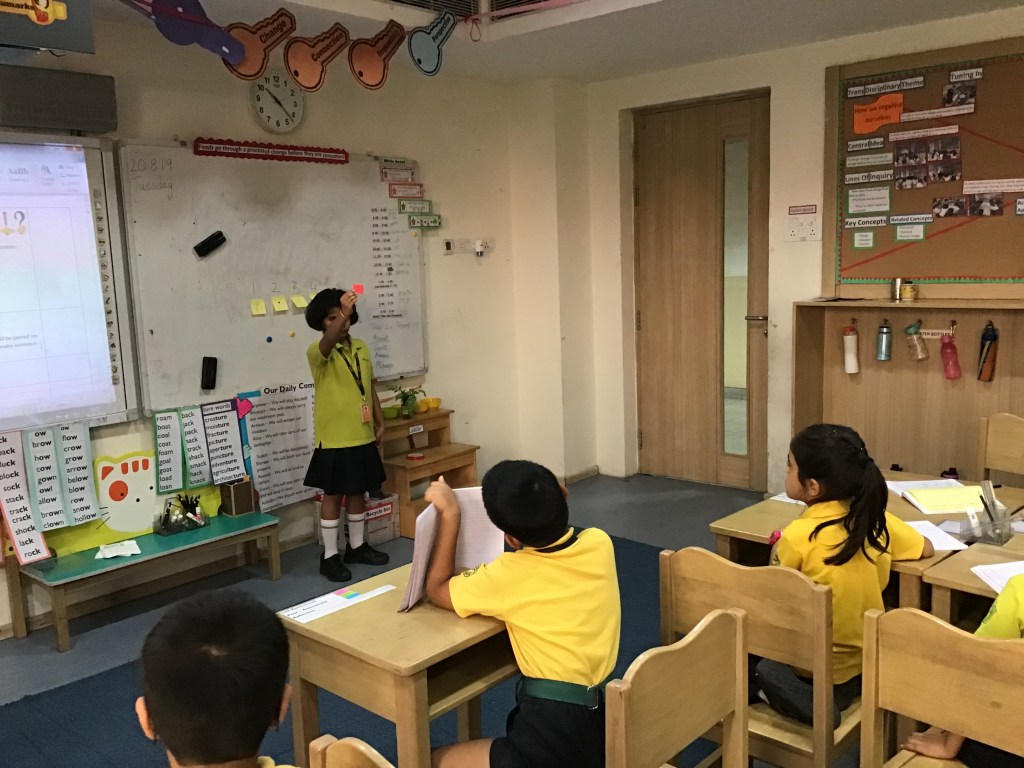
In a group activity game of Roll the Dice, students revisited punctuation (capitalization, period, question mark, comma and exclamation mark) and wrote the characteristics for the use of each. They made sentences using different punctuation marks in their journals.
A take and talk activity helped the students to speak on the process of farming, manufacturing and chocolate making.
The students’ comprehension about nouns was assessed with a formative assessment. Students were also assessed on their spellings with a spellbee.
Maths
Students applied their knowledge of number bonds by using class manipulatives and practice sheets.
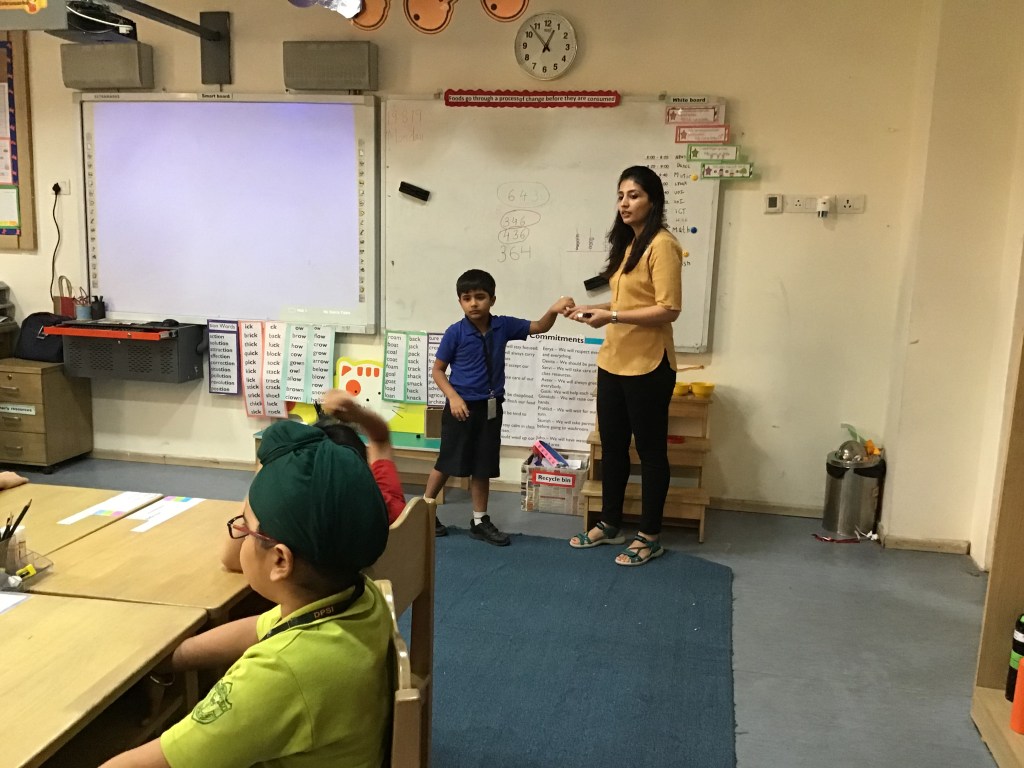
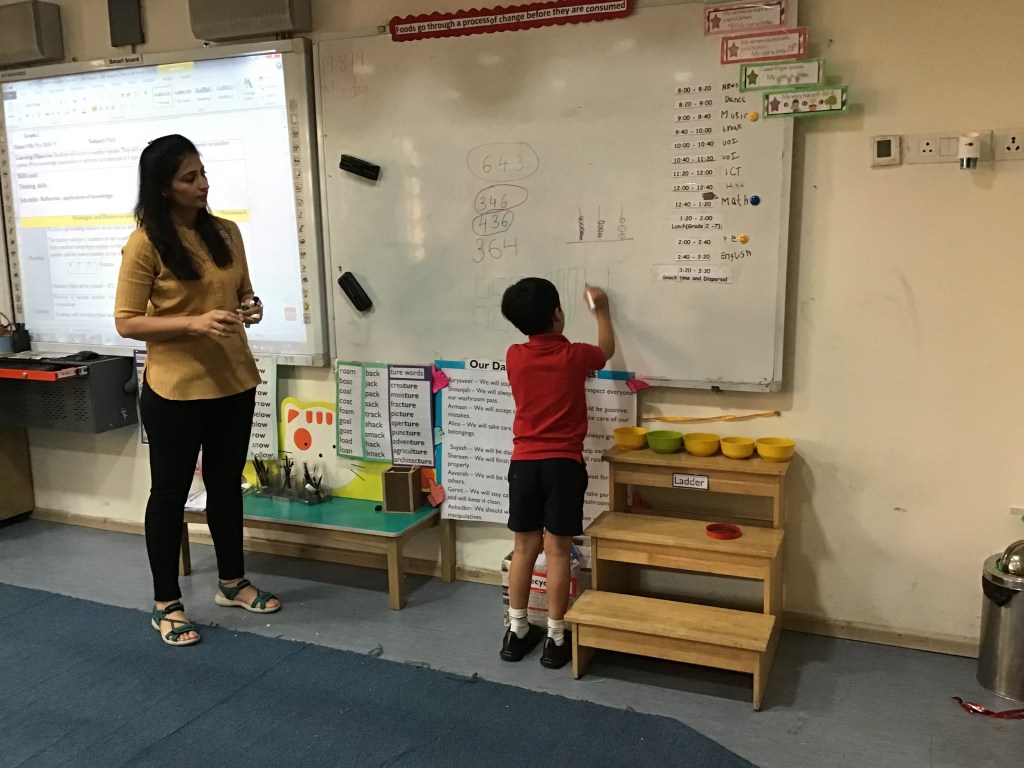
Students revisited the concept of odd and even numbers with manipulatives and extended it to their journals while writing examples and making real-life connections. They practiced representing numbers on the abacus and representing the same using place value blocks. They also practiced various number concepts like ascending/descending order, number comparisons etc through online games.
Students articulated their understanding of ordering numbers, how to recognise a number as odd or even and addition between odd and even numbers. They made various combinations of odd + odd, odd + even, even + even and concluded their understanding. Students practiced number names, place value, face value and expanded form for numerals.
Hindi
During Hindi classes, students recited the poem ‘Nanha Beej’ and engaged in visual imagery by representing the journey of a seed to a plant. This activity helped them understand the process of how seeds grow into plants. They learned new vocabulary words from the poem, identified different fruits and vegetables and wrote their names in Hindi.
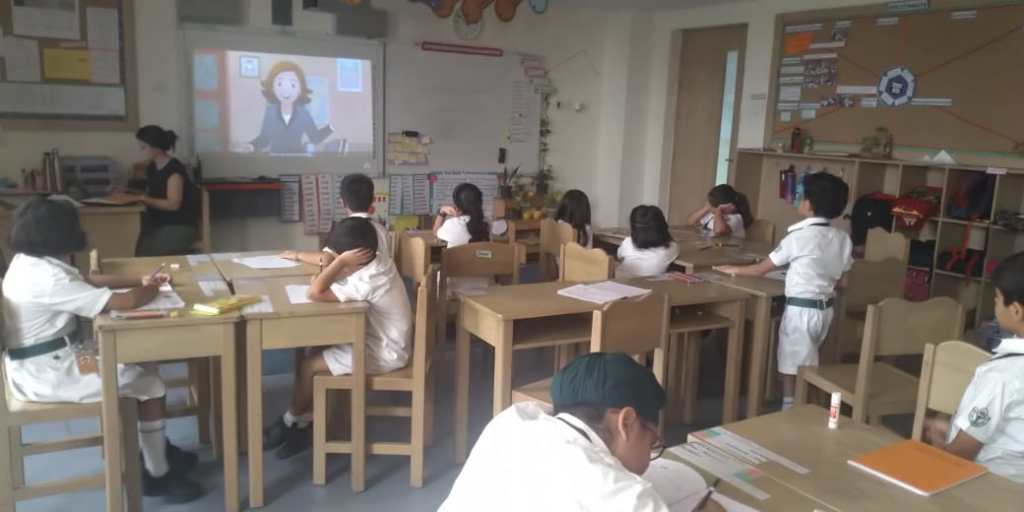
Dance
Dance lessons were focused on correction of body posture during core workout. Correct posture and body positioning help in body balancing while performing any dance routines.
The concept of grooves and isolation was also introduced. This helped the students to understand the sense of recurring rhythms through different types of music and movement of individual body parts, independent of the rest.
Music
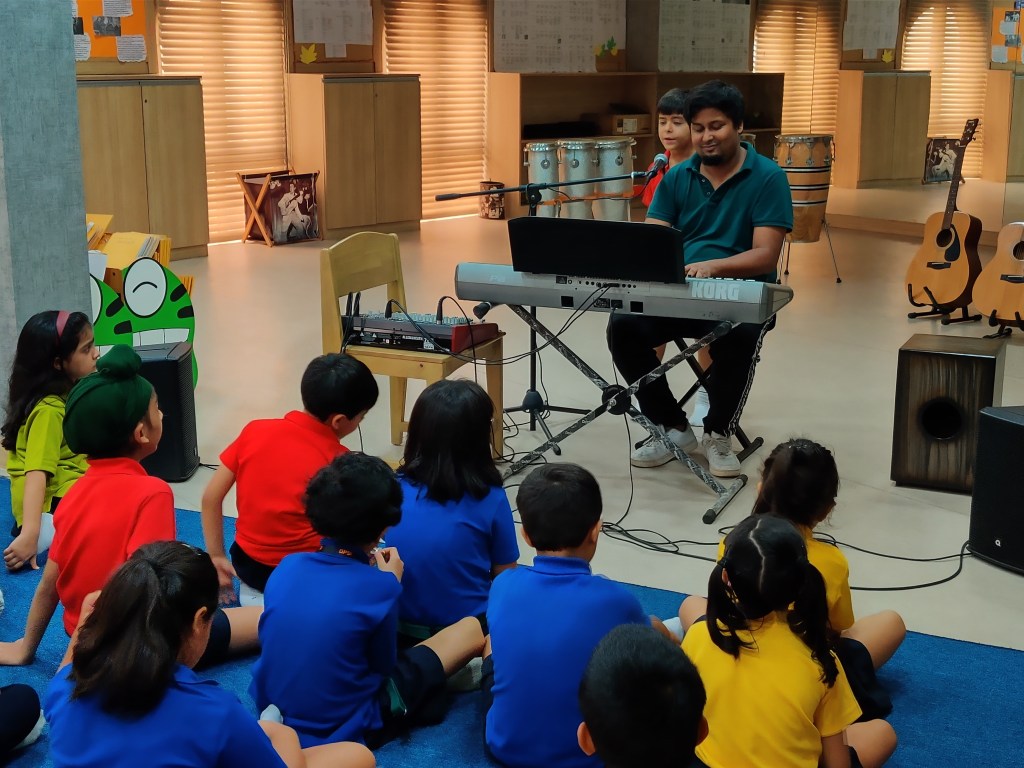
During Music class, students learned about notes and note values and inquired how to count the beats without sound. They also learned how it is applicable while singing and playing instruments.
Students learned and sang the song ‘You have got a friend in me’.
ICT
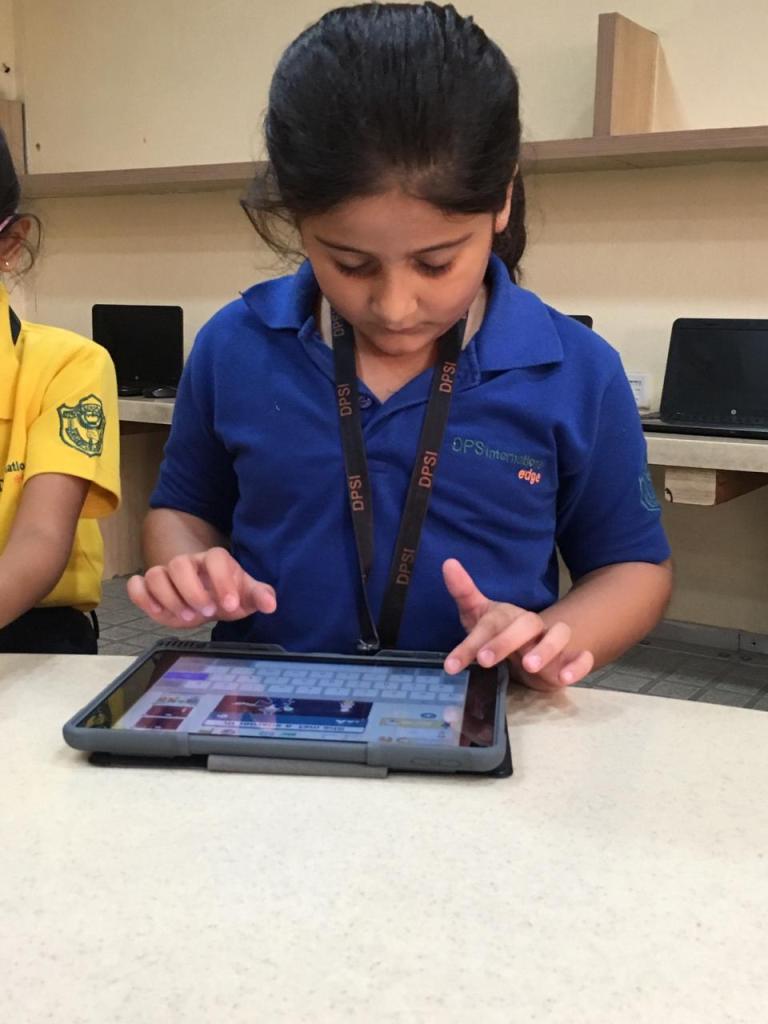
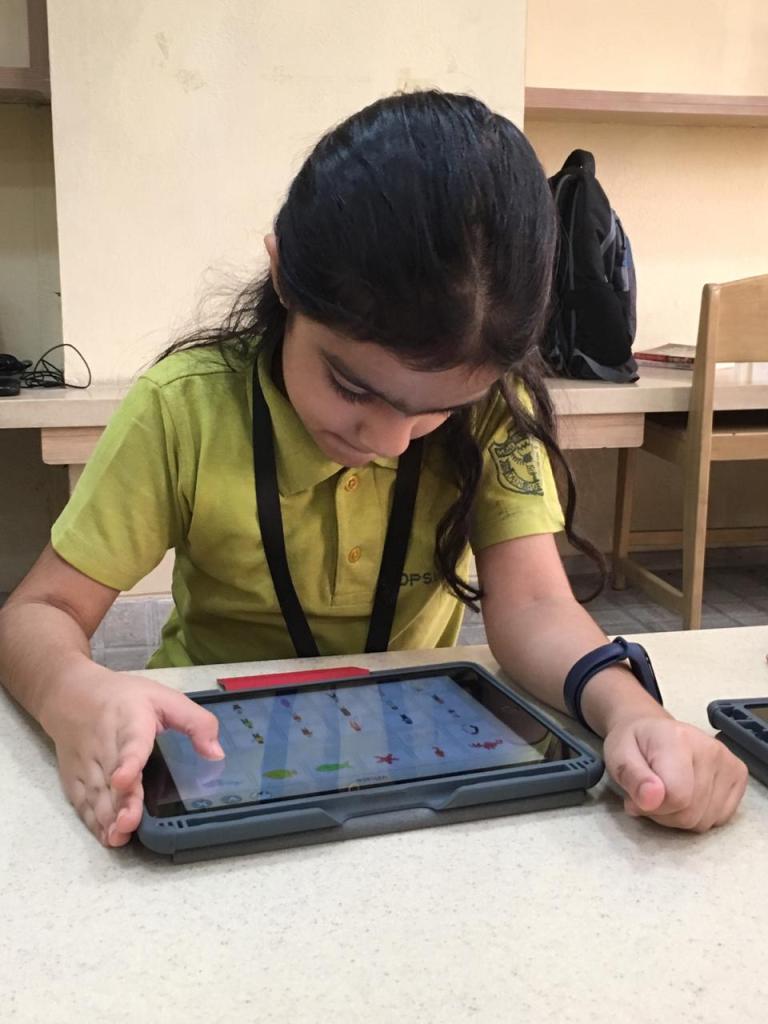
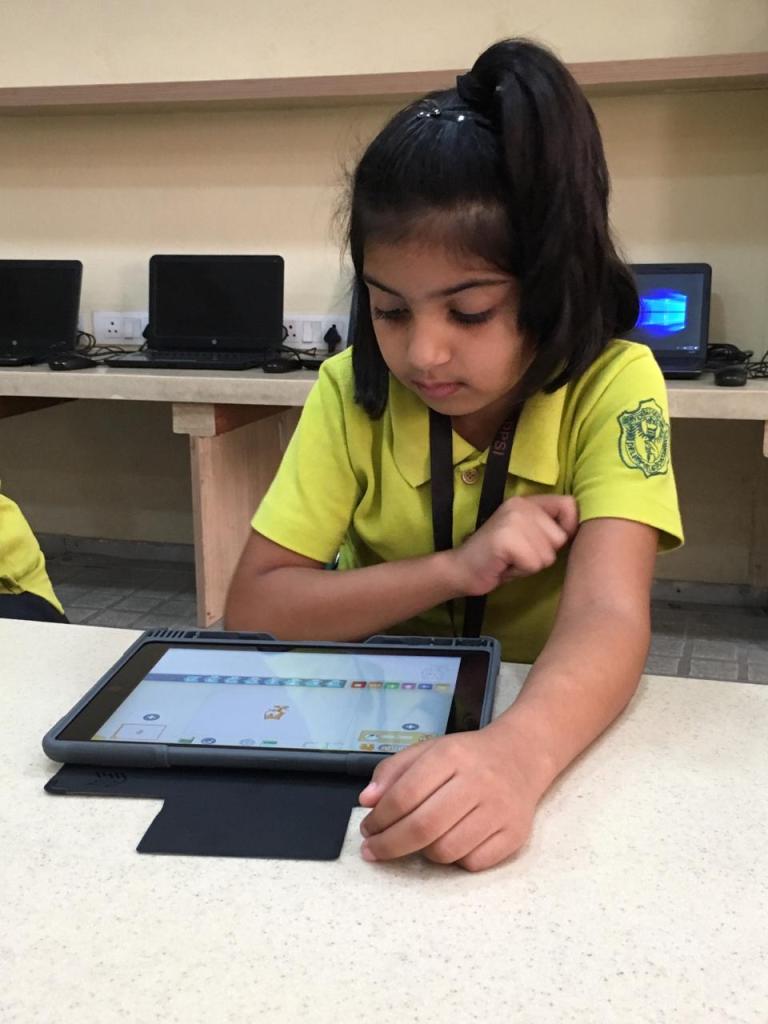
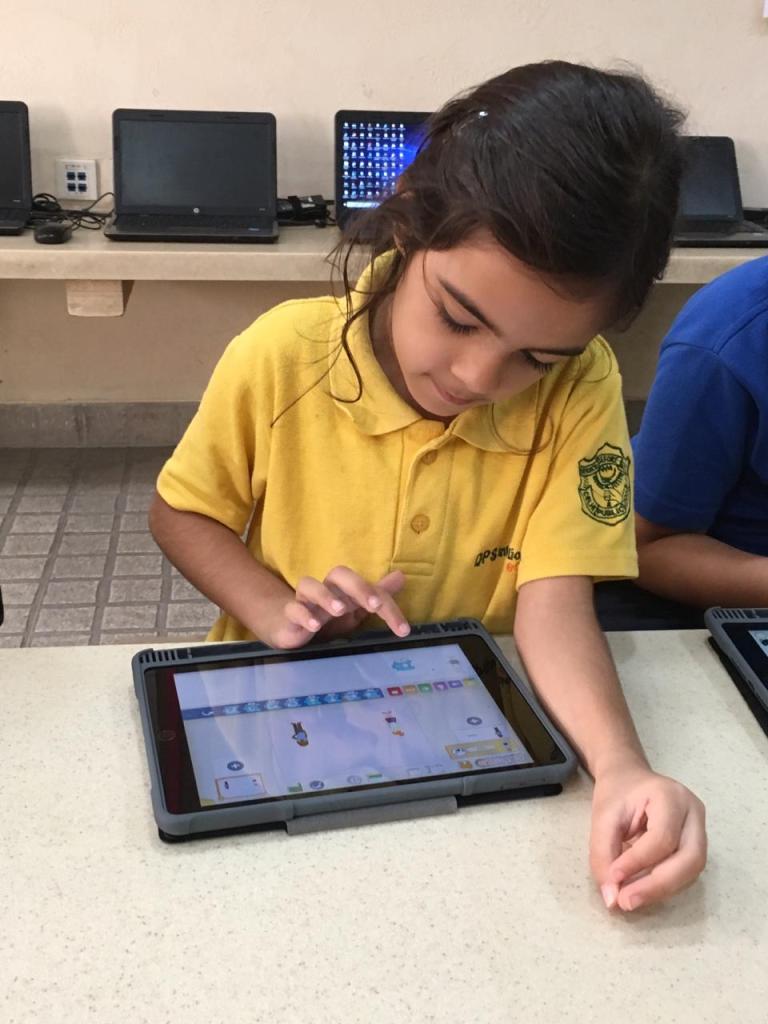
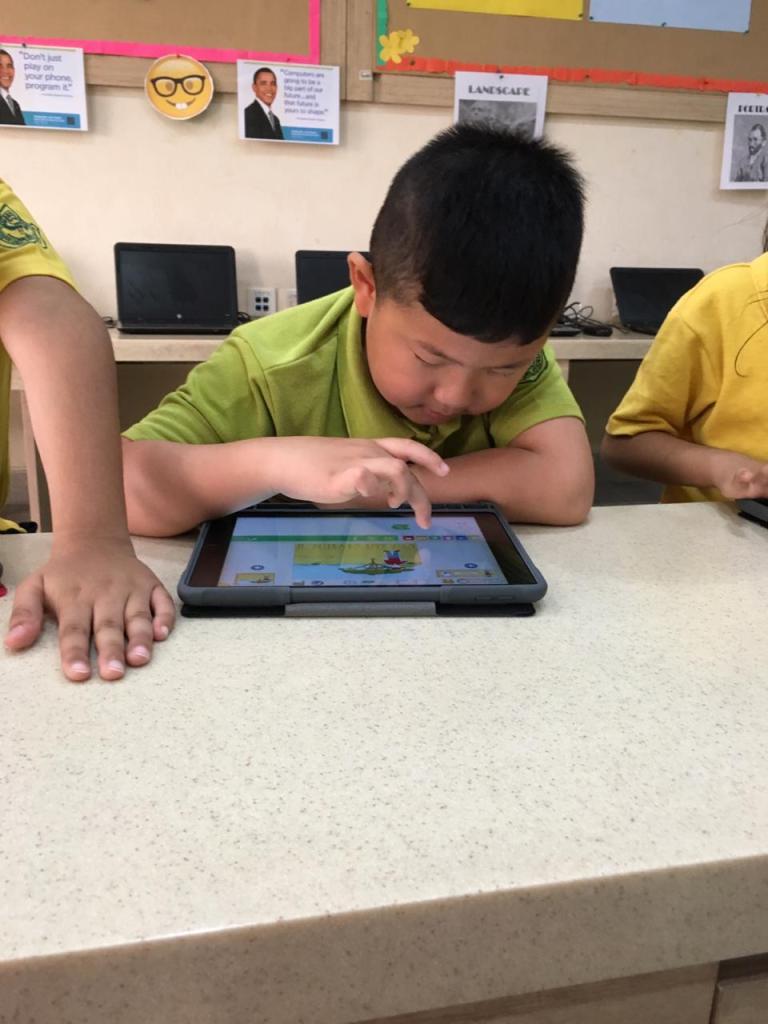
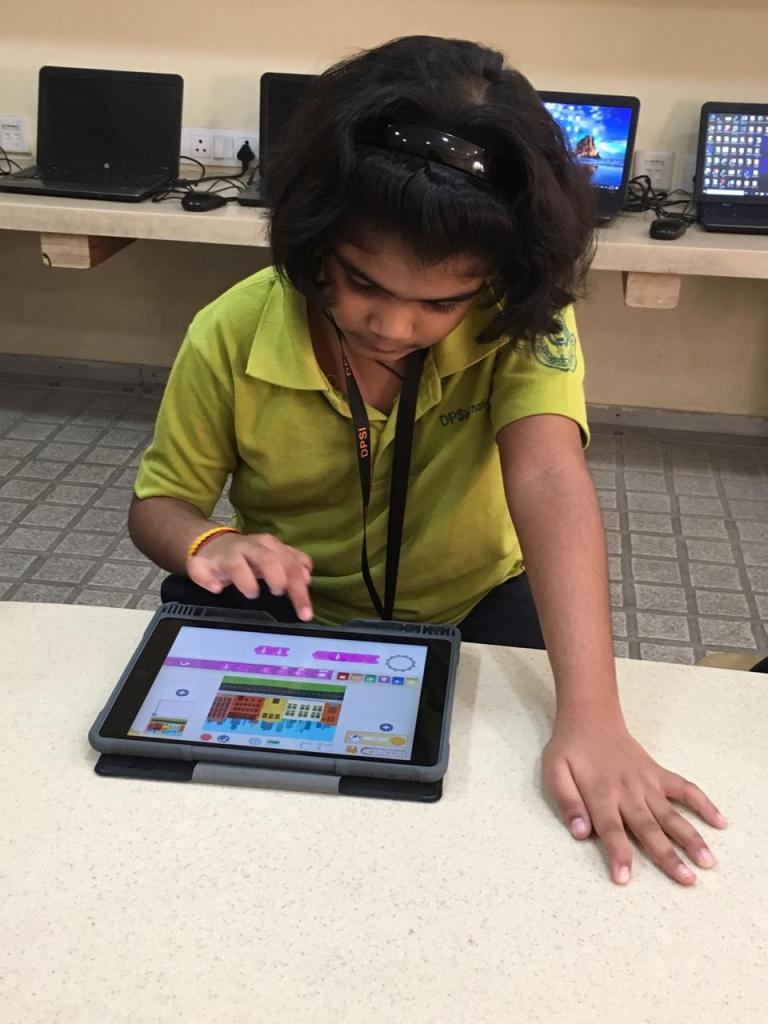
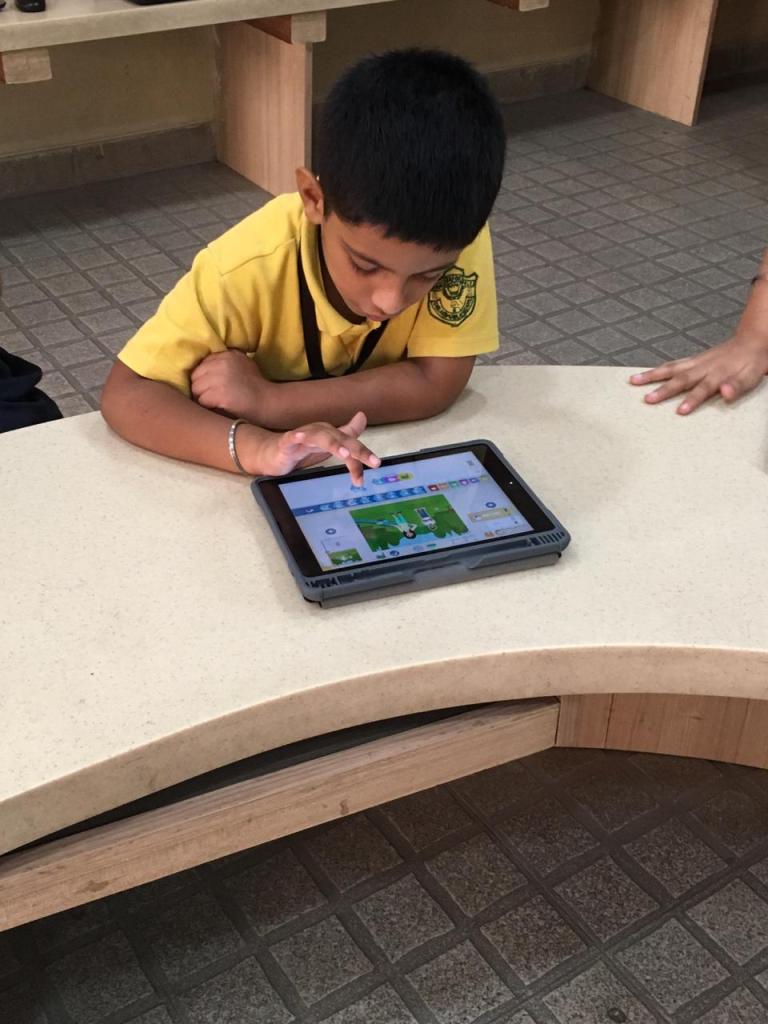
Students were introduced to a visual programming language, known as ScratchJr. This app is the basics form of coding in which students can use different graphical elements, text, symbols and icons to code an object.
Students were made familiar with the interface of the app and further explored the different elements. They created code on the objects known as sprites. They learned to select the sprites from the library and edit to create new sprites by changing their colour and appearance using ‘Paint Editor’.
Students learned to add a background, give title to the scenario, save their project and how to use the different blocks of code.
Assembly
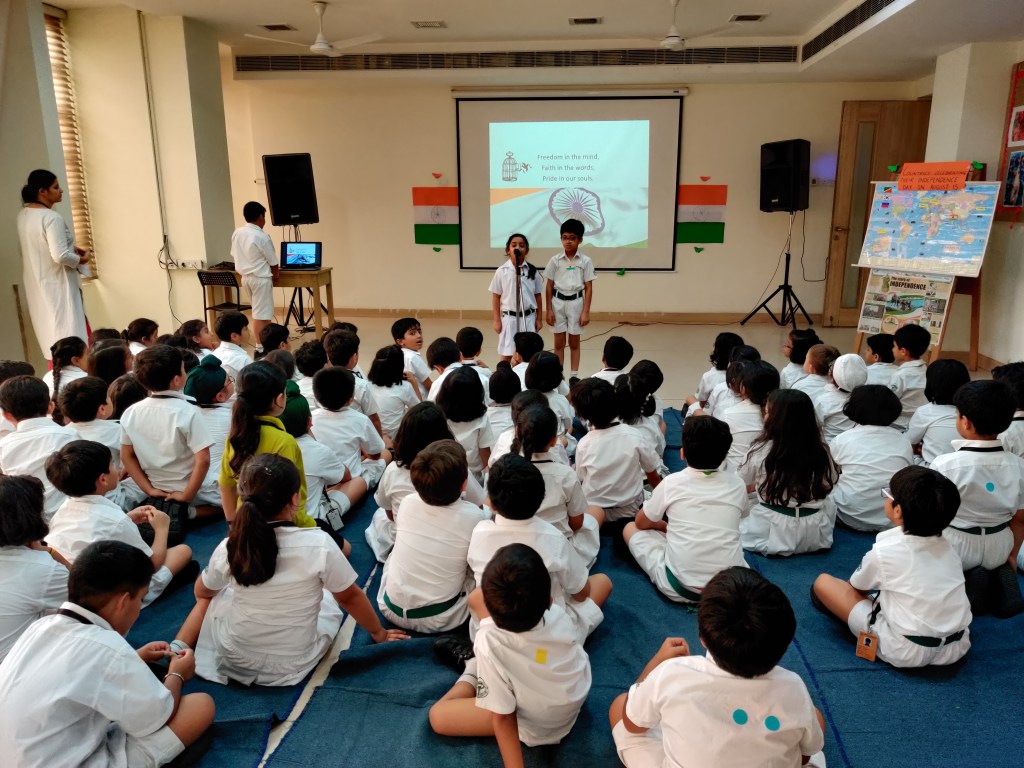
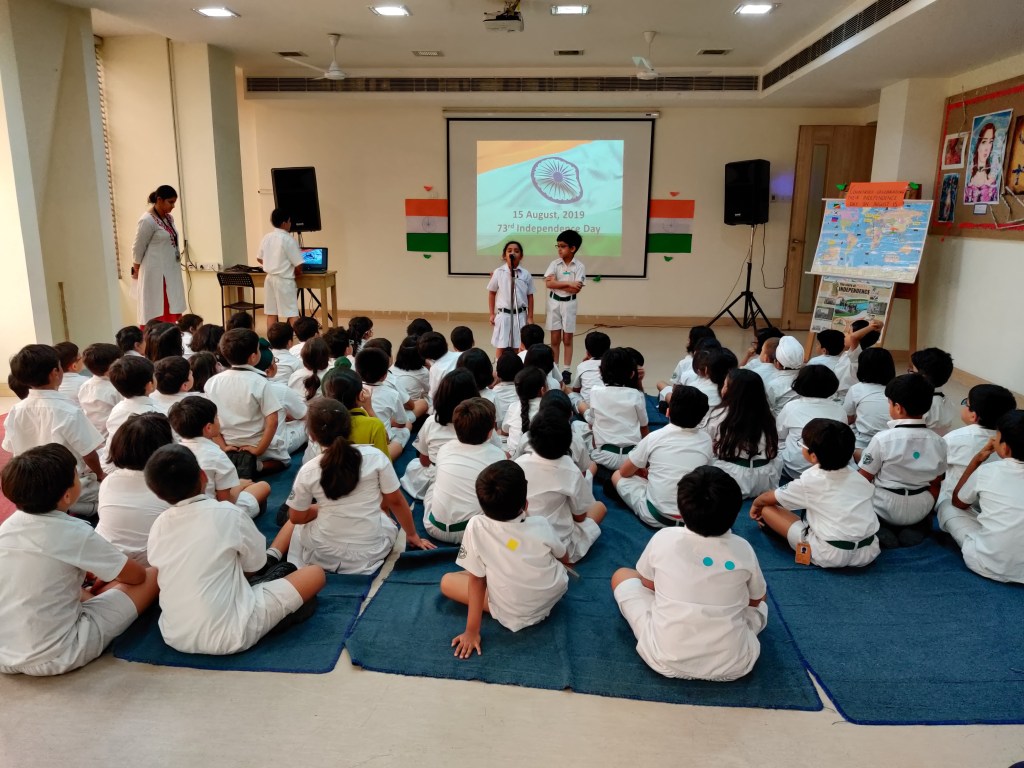
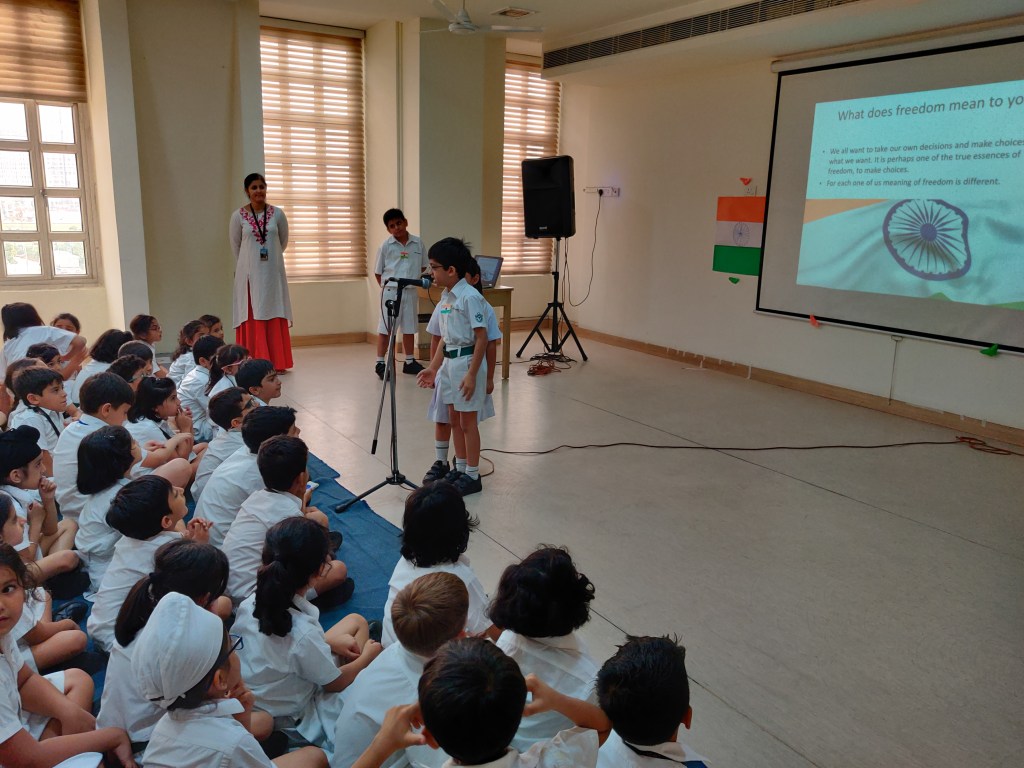
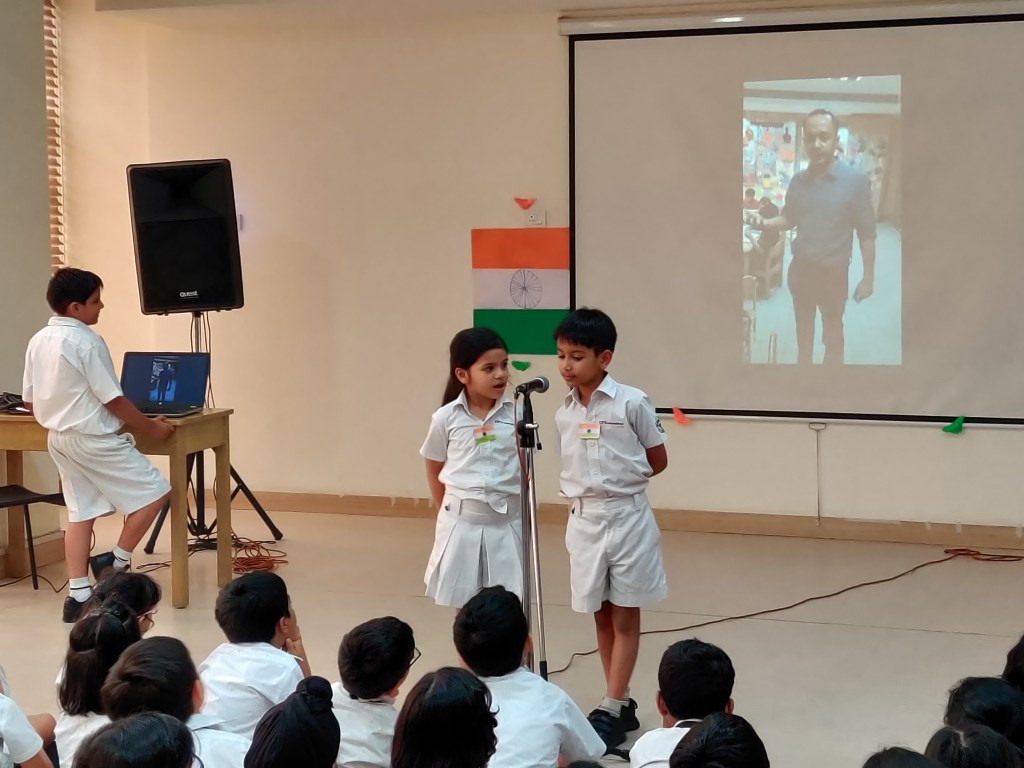
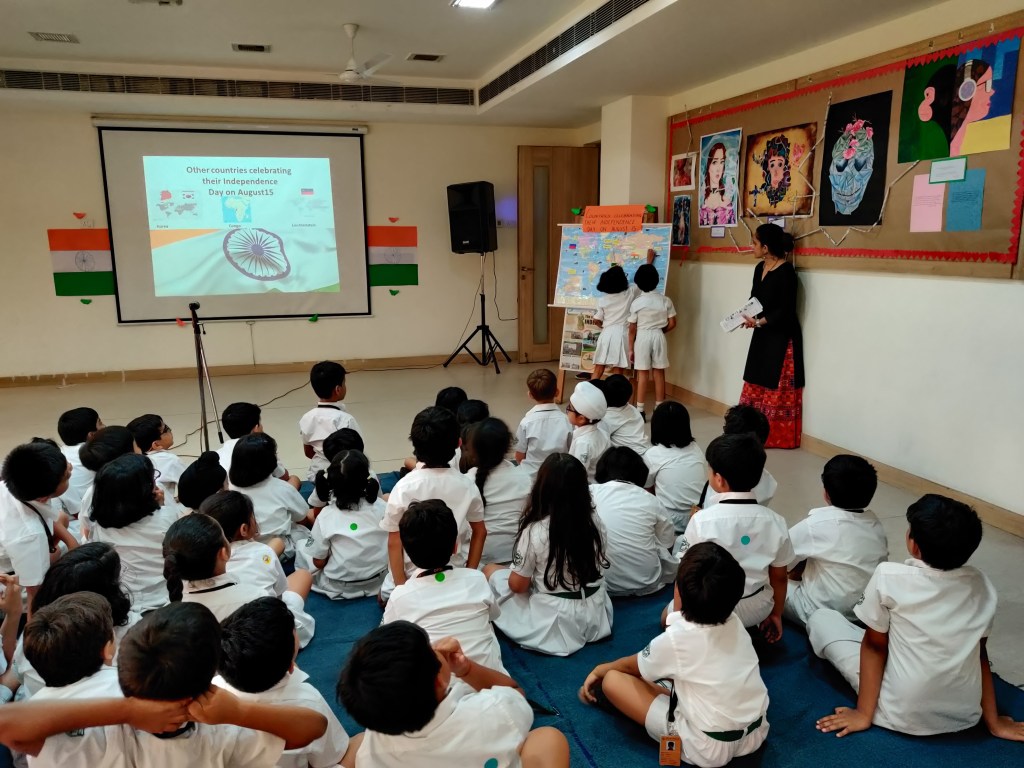
The students shared information about India’s 73rd Independence Day, the meaning of freedom, ways to express it and why we need it. They also mapped Korea, Congo, Liechtenstein on the world map as they also celebrate their Independence Day on August 15. Flags of those independent countries were displayed on the world map and these were connected by thread with the countries who ruled over them.
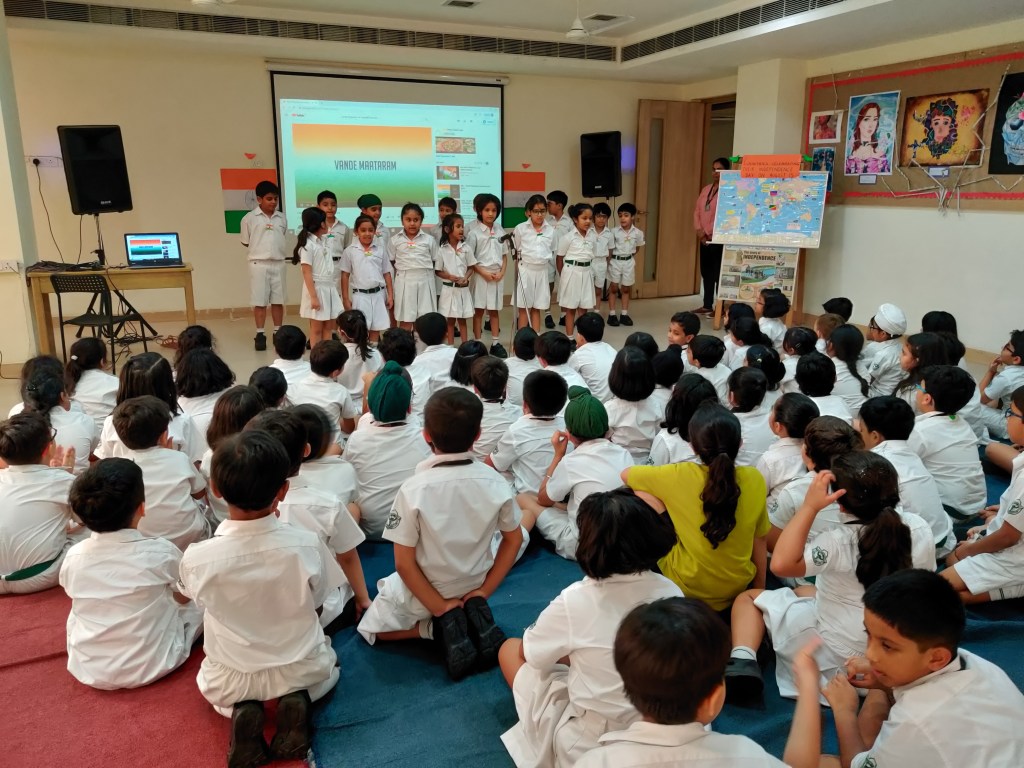
Assembly concluded with the melodious patriotic singing of the song ‘VandeMataram’.
Library
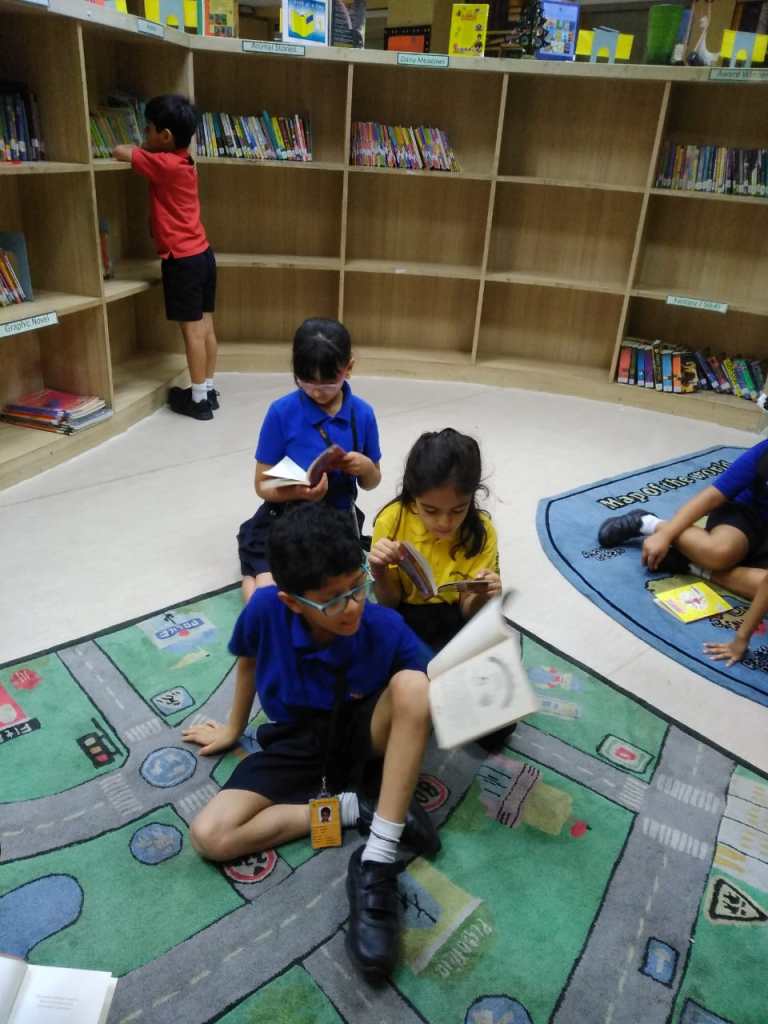
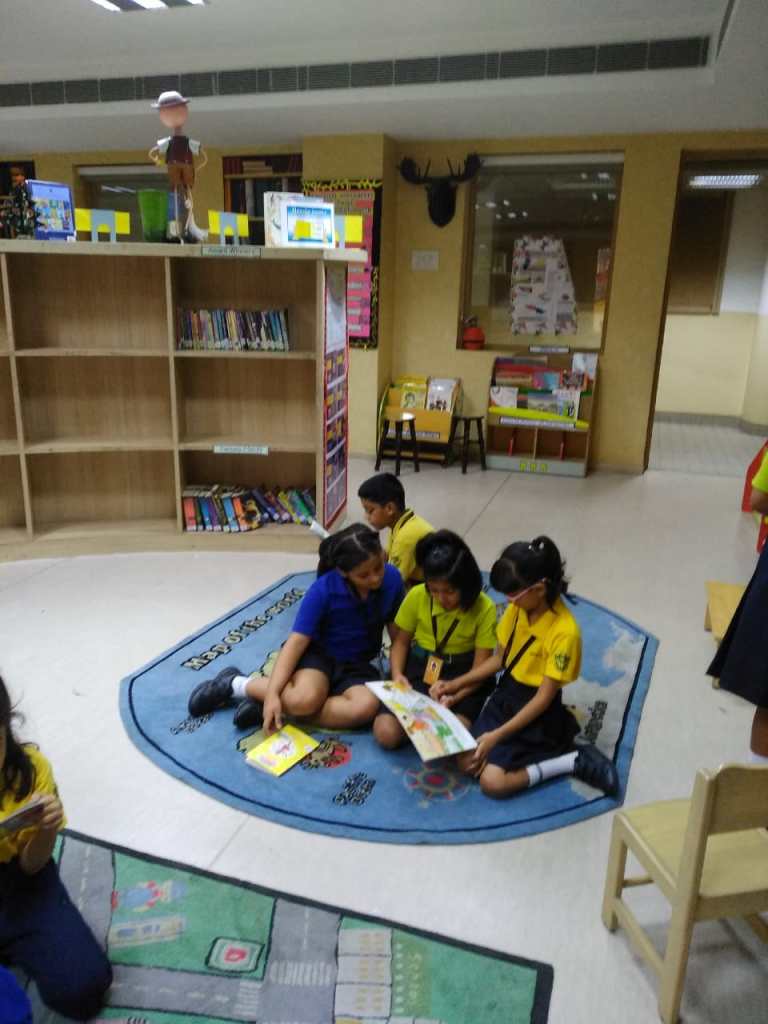
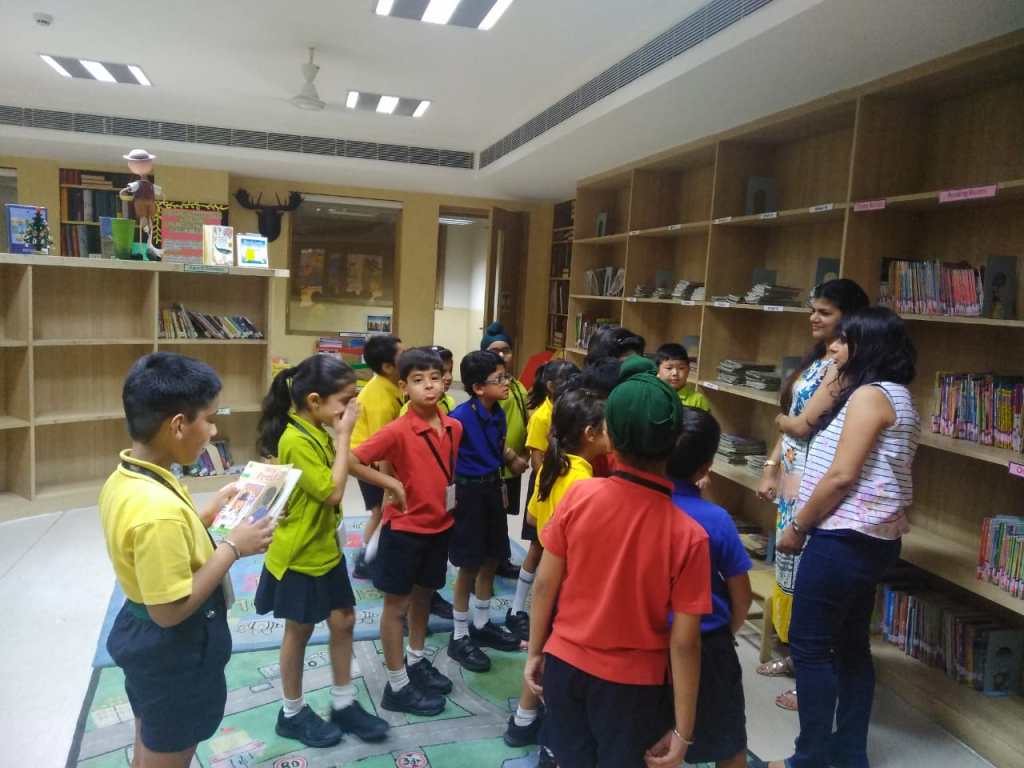
The birthday of one of the bestselling fiction authors of all times, ‘Enid Blyton’ was celebrated in the library. According to UNESCO, she is the most translated children’s author in the world has sold more than 600 million books.
The children were given a brief introduction about the author and the popular series written by her – Noddy, Famous Five, The secret seven, Amelia Jane, Malory Towers, and The faraway tree. Few children also borrowed books from her collection.
Physical Education
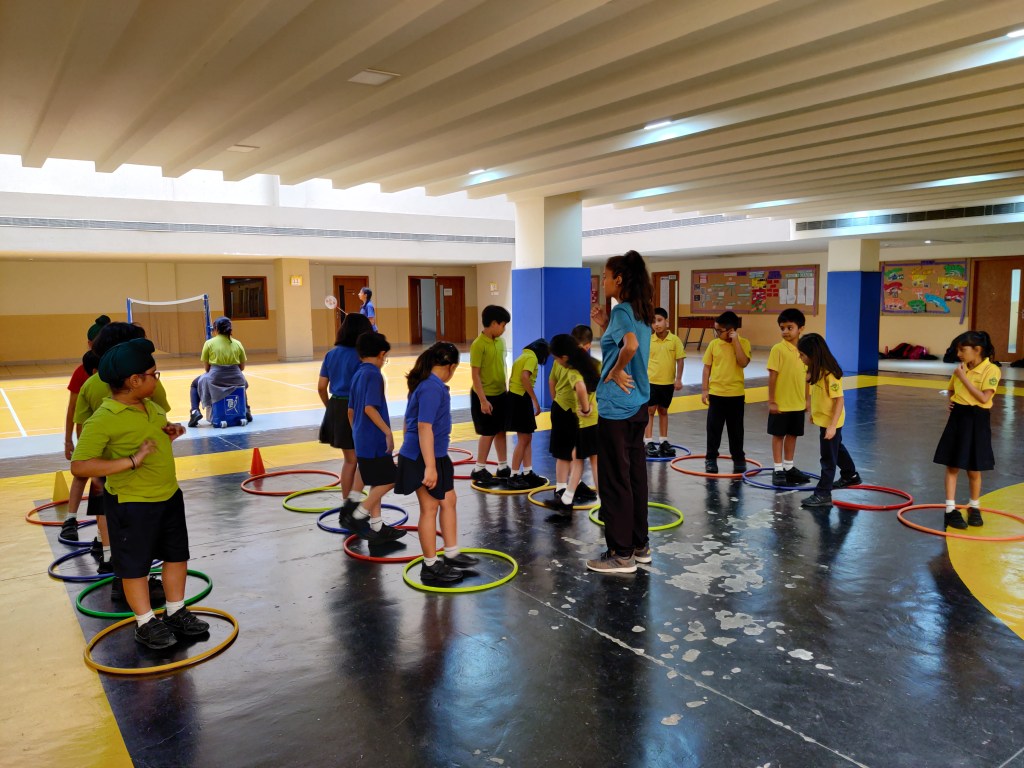
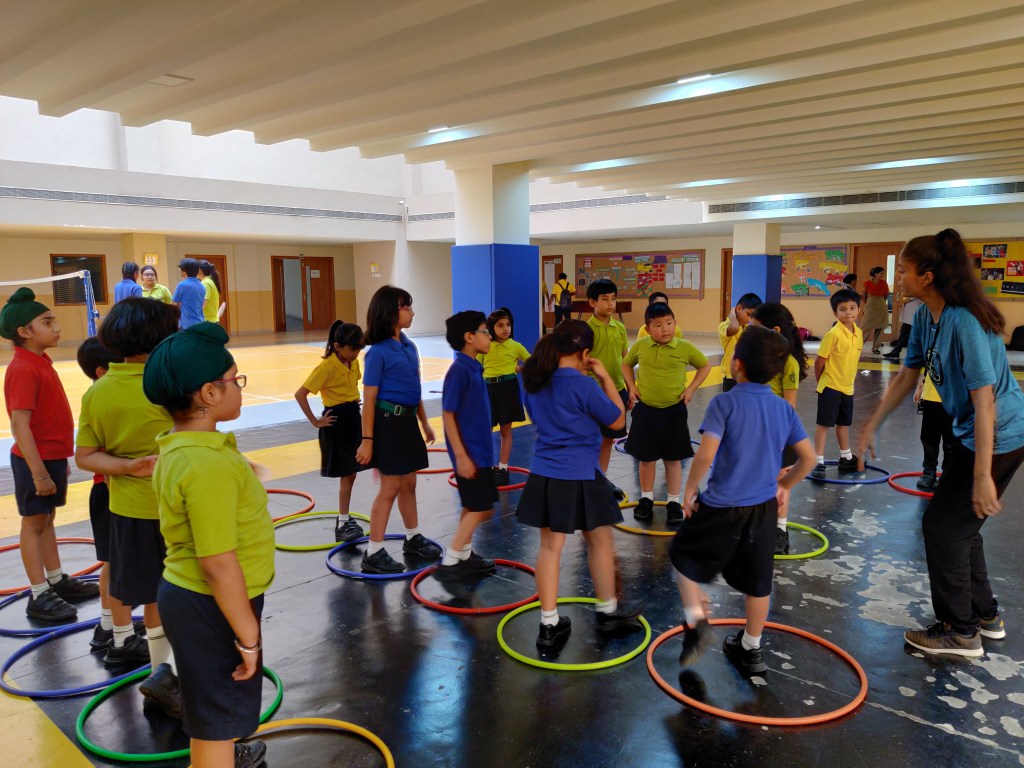
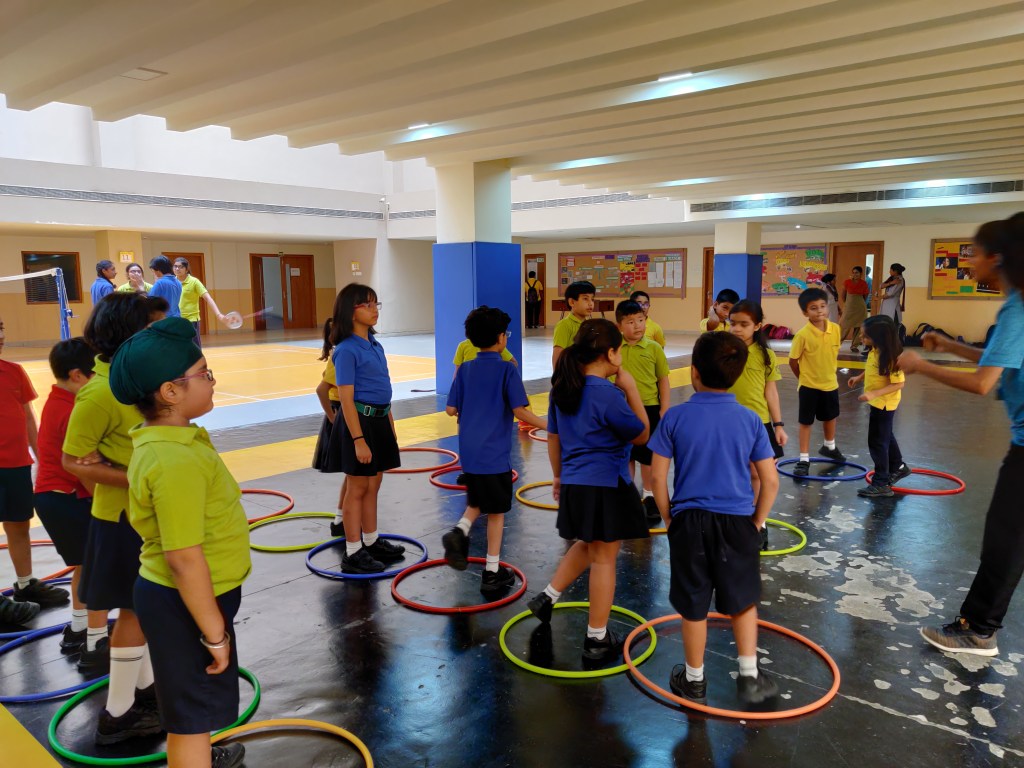
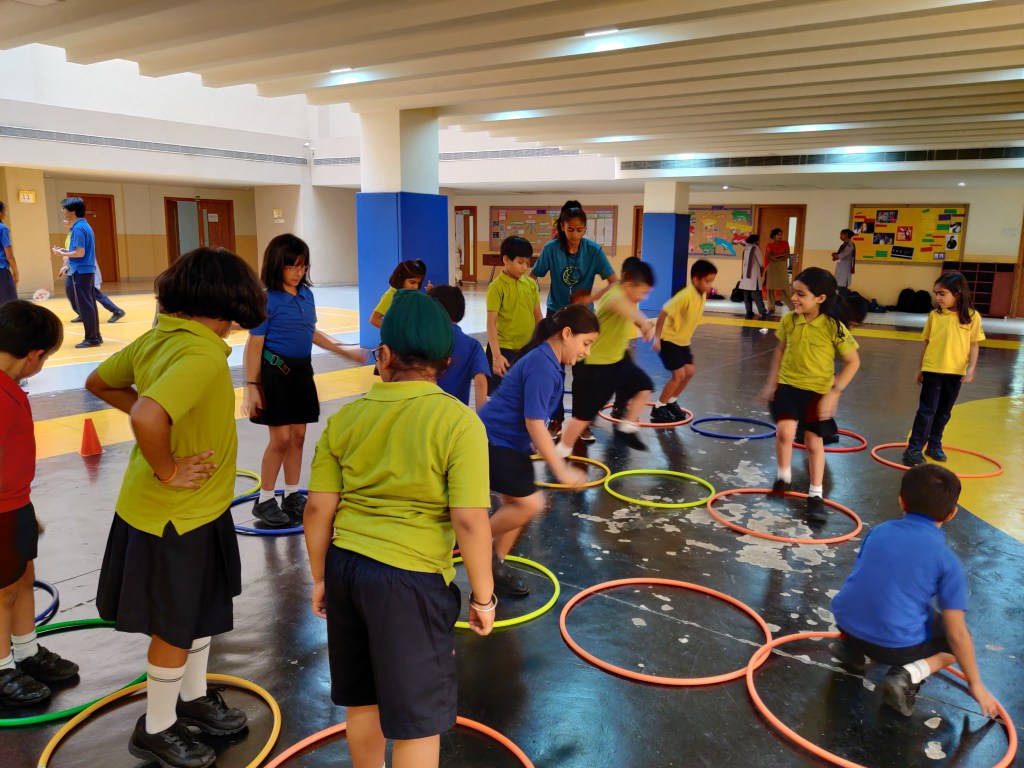
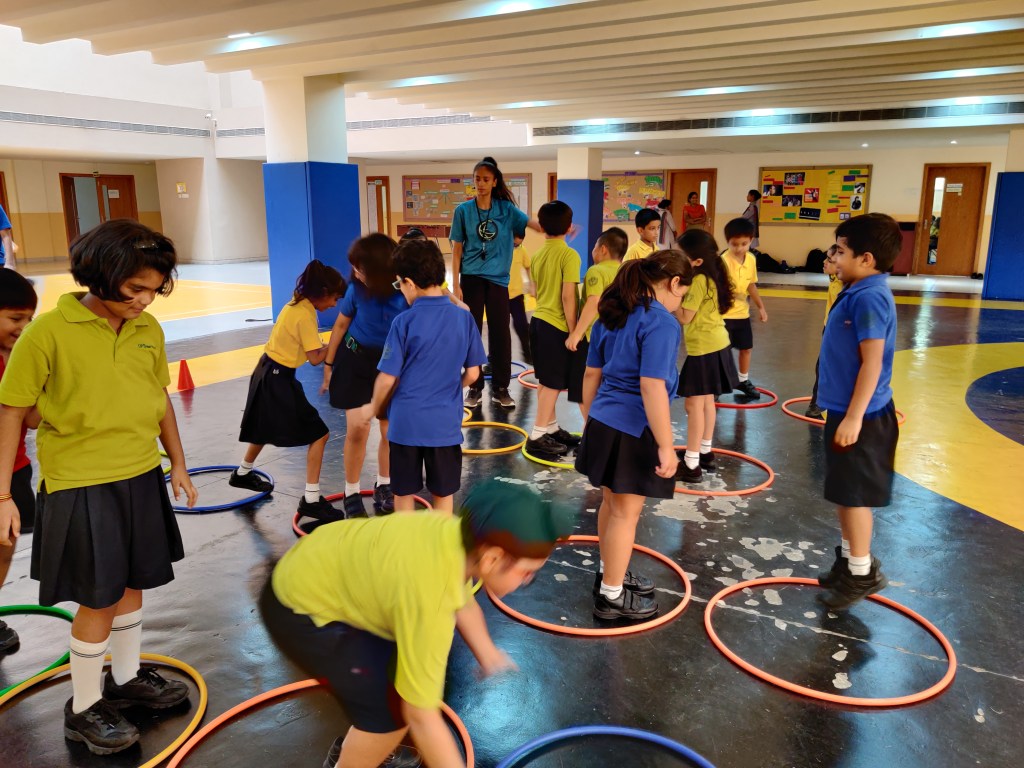
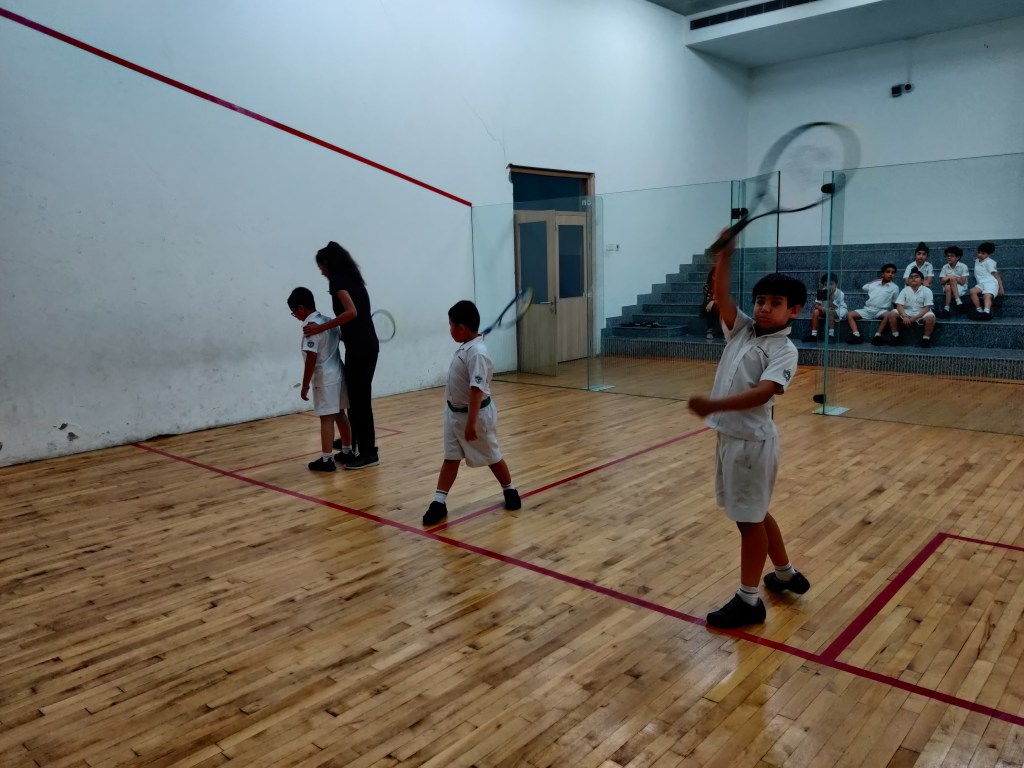
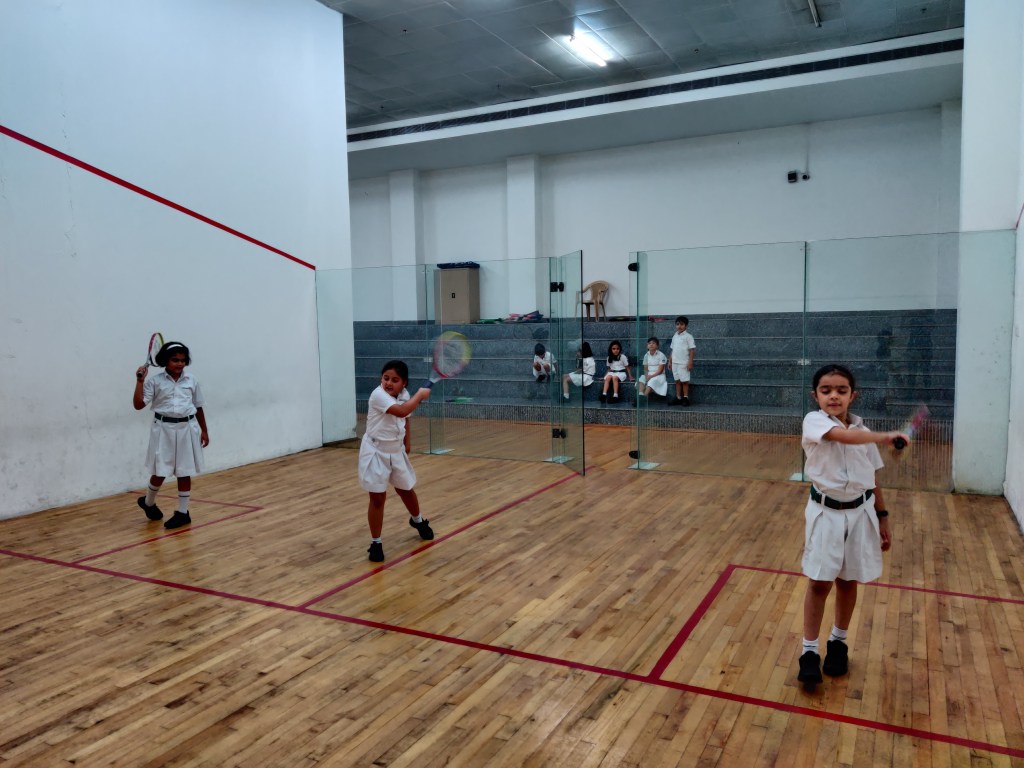
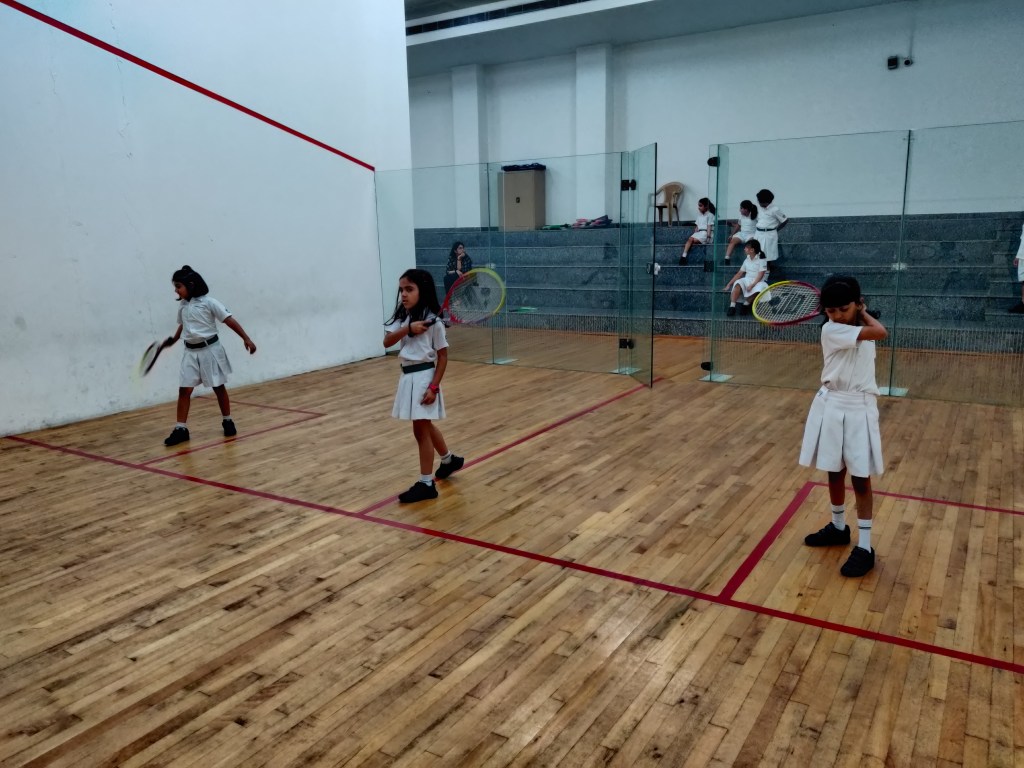
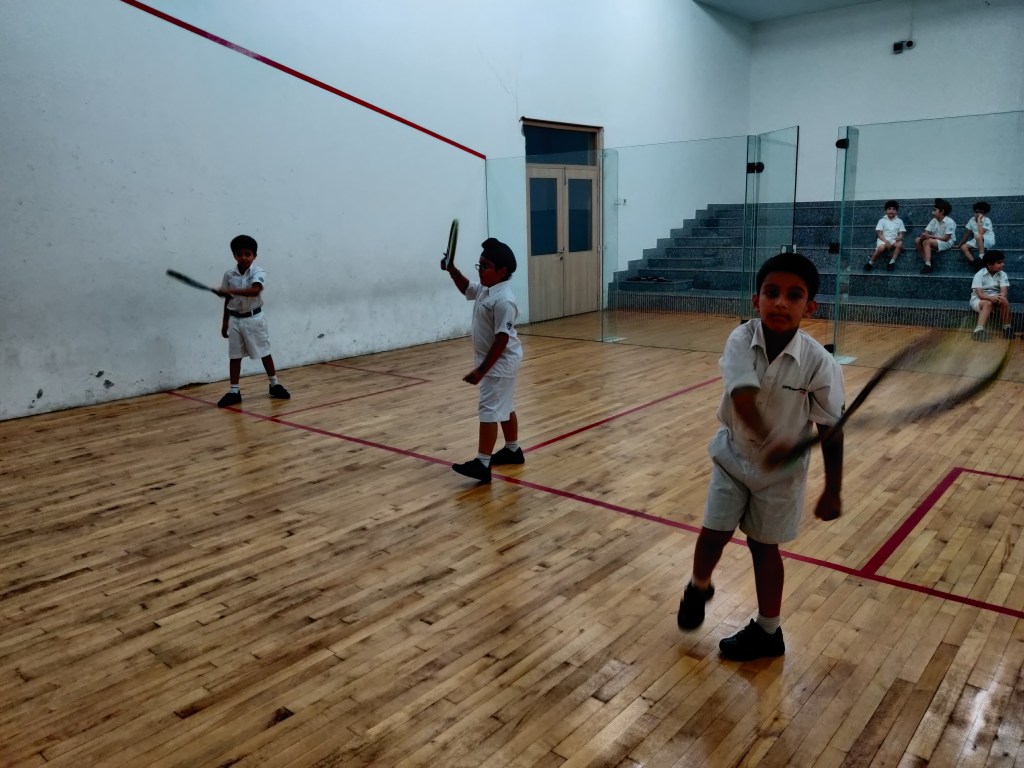
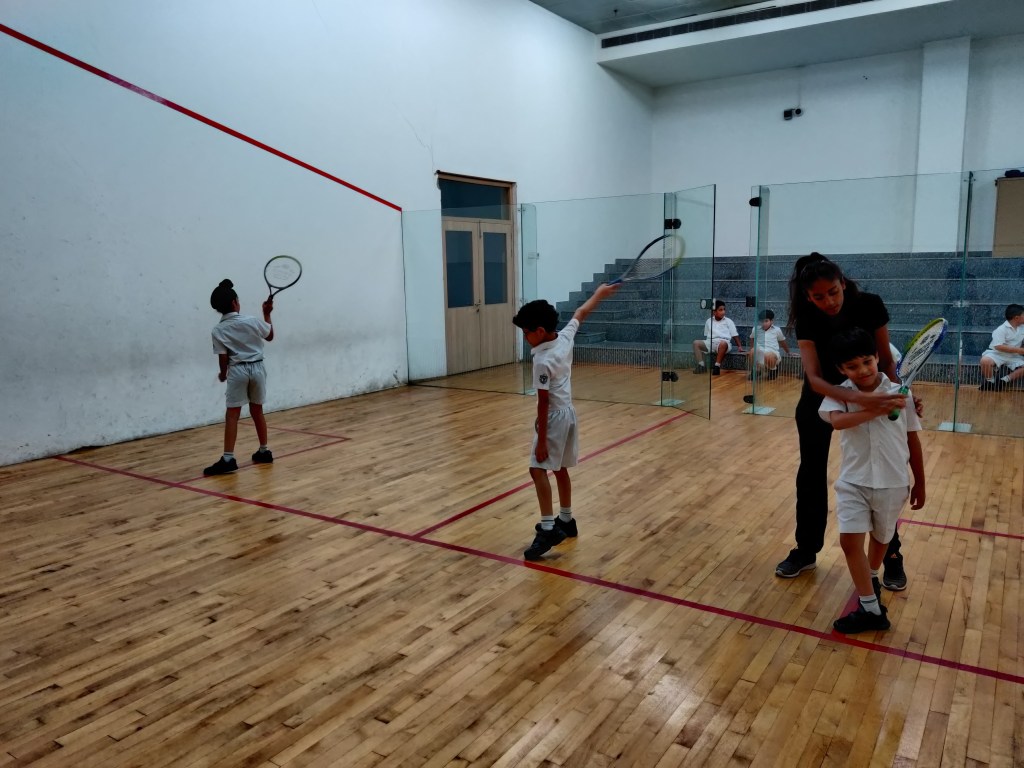
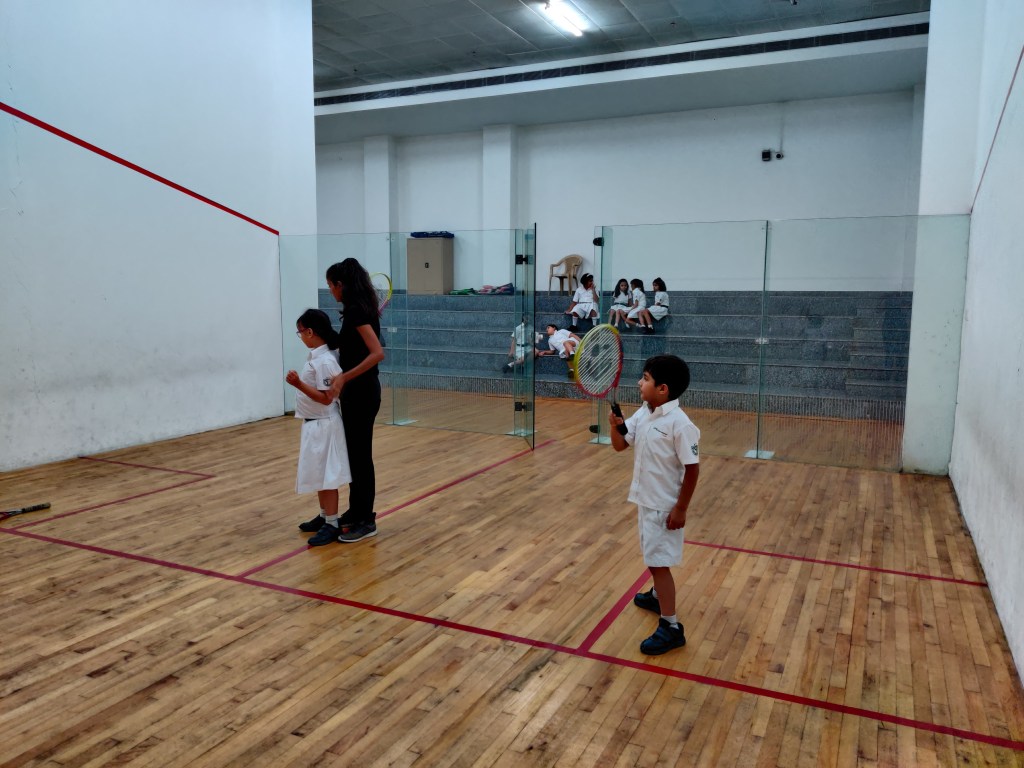
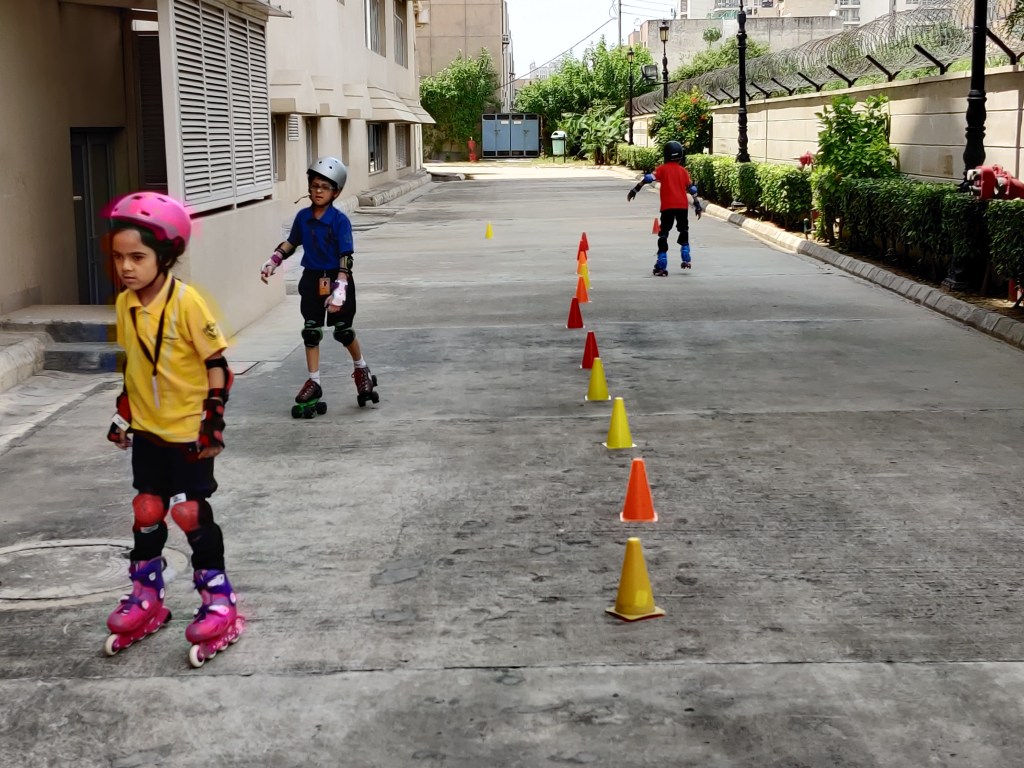
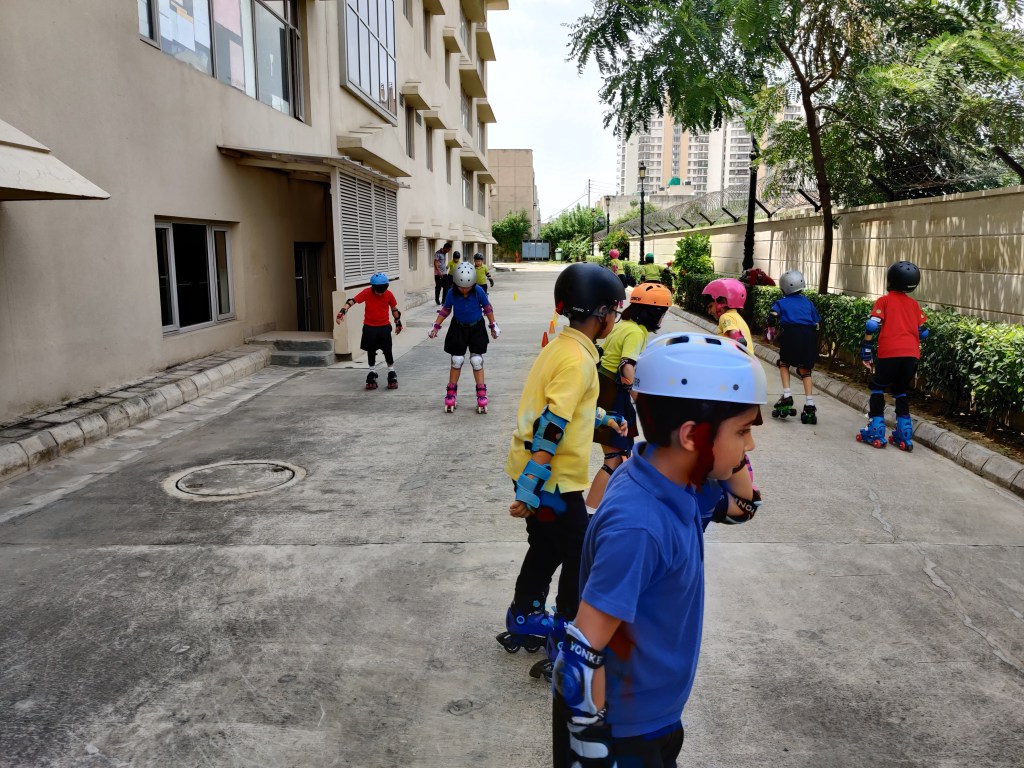
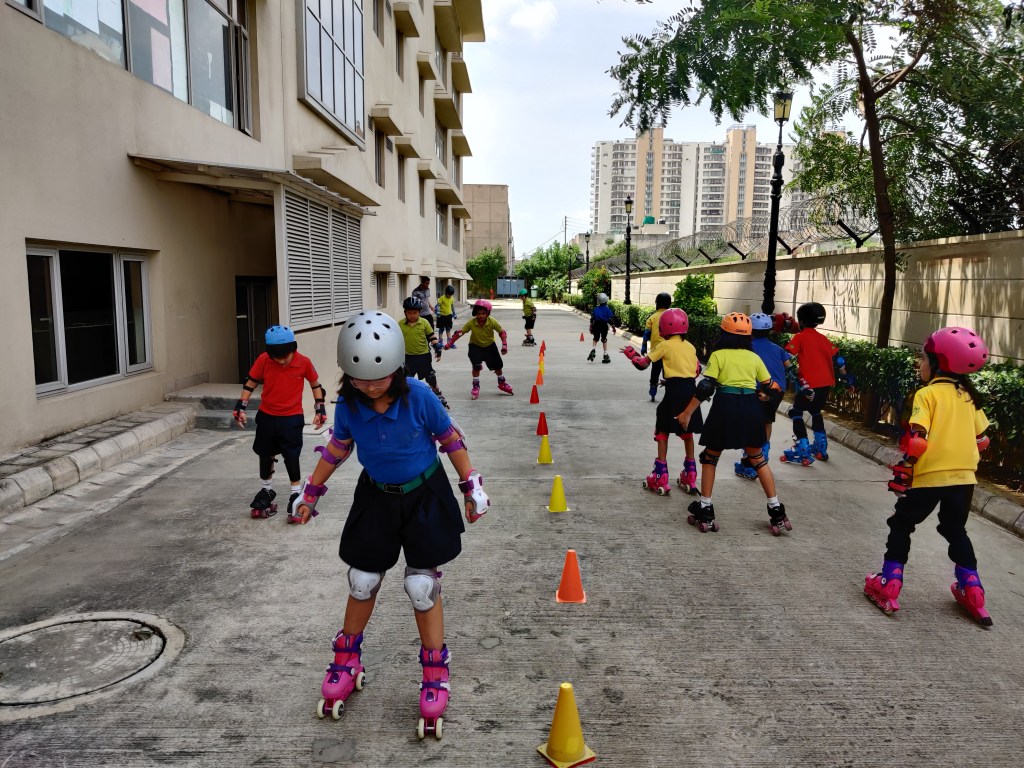
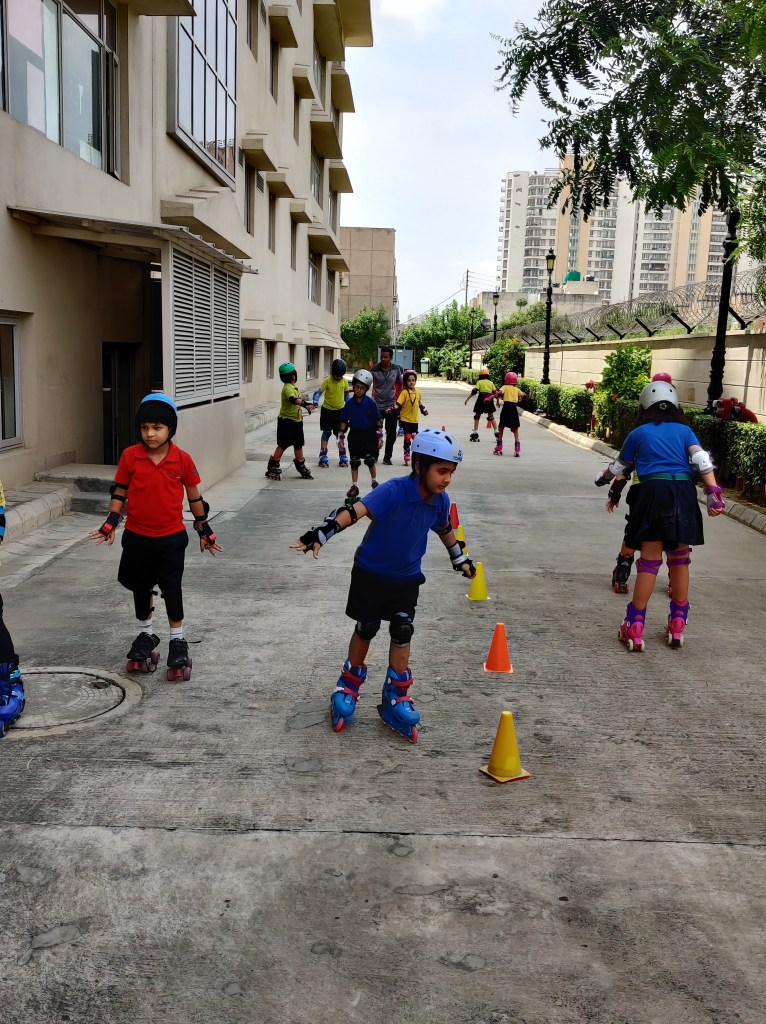
Students developed their basic motor skills with the help of different lead up and recreational games which included jumping, running and hopping. They are now learning shake hand grip, shadow forehand for mini tennis and are practicing walking, balancing, speed on the skates during their skating lessons.
SEL
The students were introduced to Social and Emotional Learning and were introduced to ways of becoming Self-aware wherein the students learned about how to label their feelings, sensations and thoughts to their emotions. They were given visual aids to identify and observe their feelings with emotions. The students were shown a feelings chart where they discussed basic feelings like happy, sad, angeretc and identified them to their emotions. Later the form tutors introduced the emotion wheel to students and made them aware of how all emotions are helpful.
Art
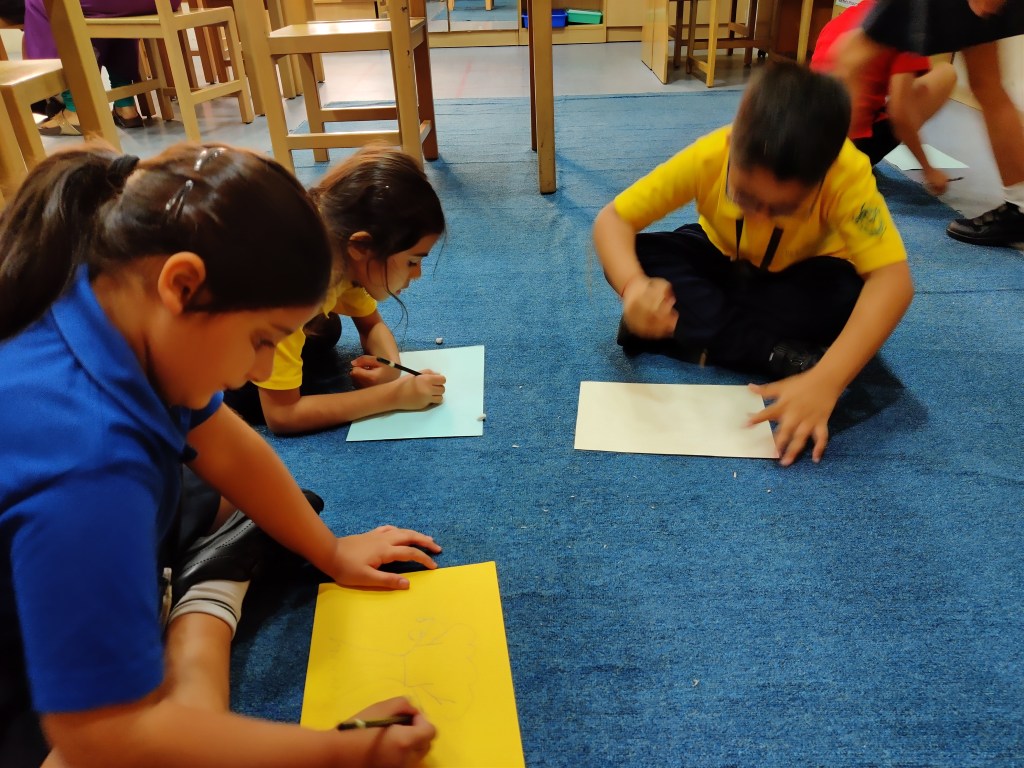
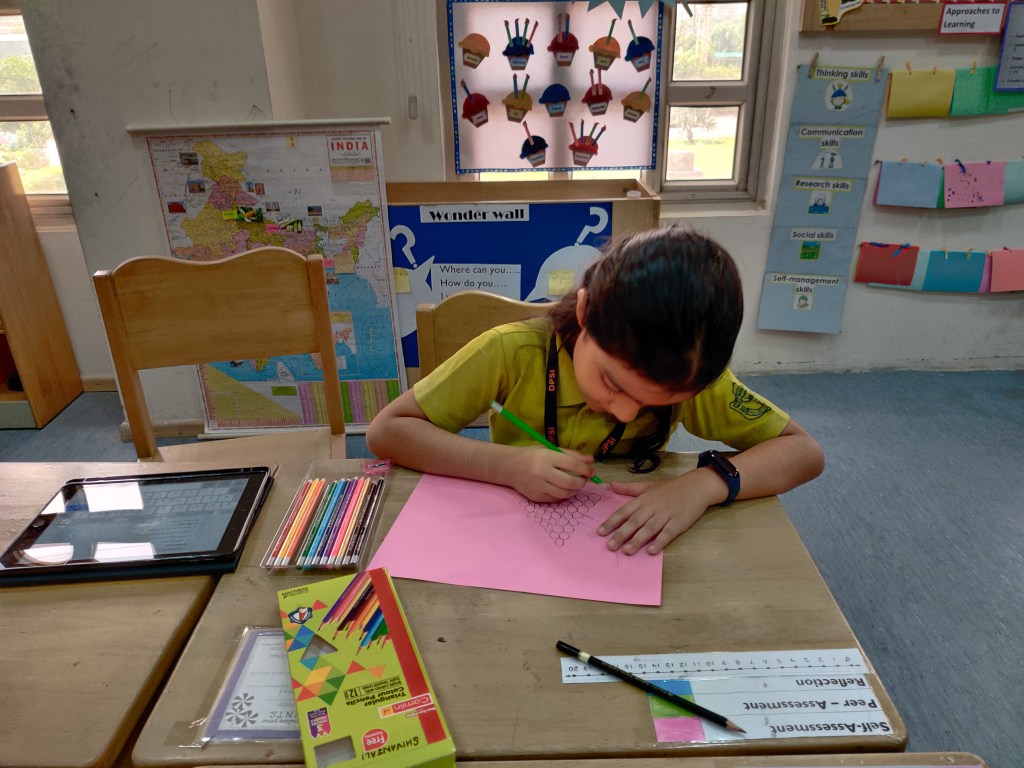
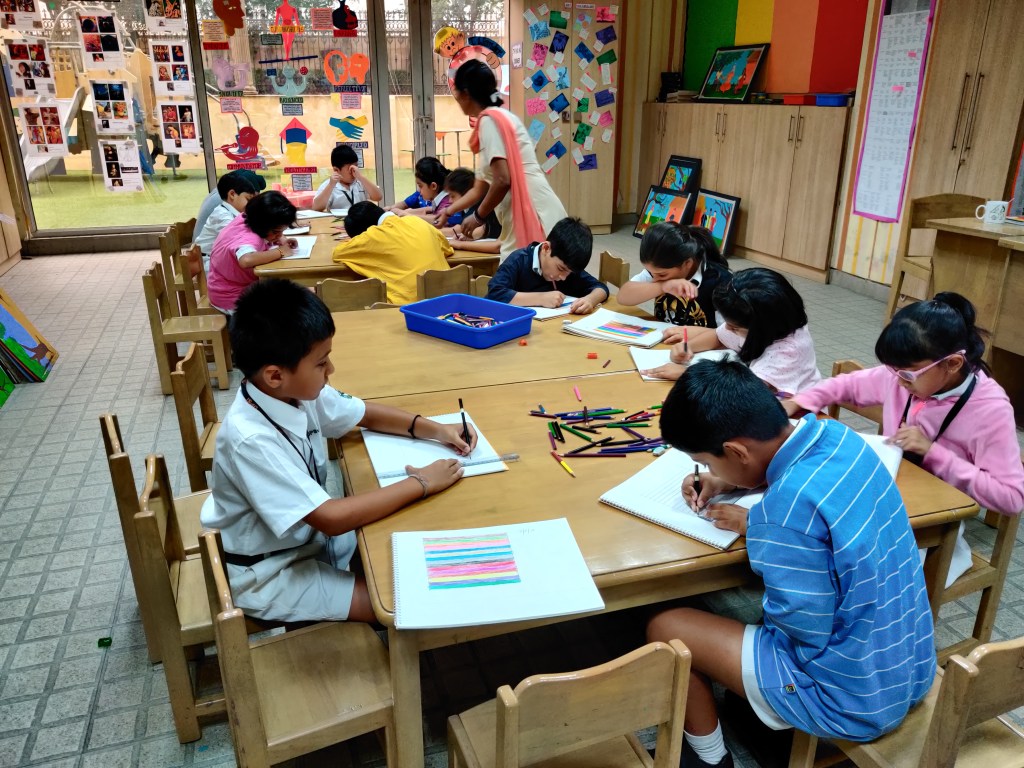
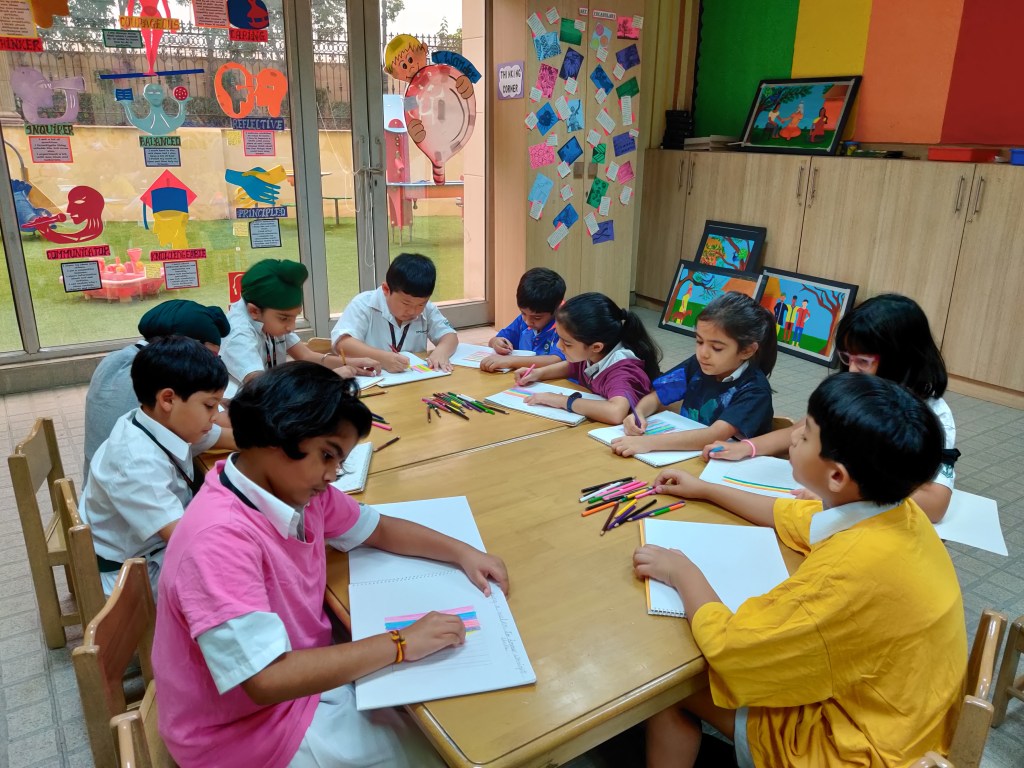
The students continued with straight lines exercises, using a ruler. They were introduced to connecting multiple interspaced points while creating geometric and anthropomorphic shapes.

 Grade 2C